
WILL AI REPLACE DOCTORS? AI is Transforming Wearable Health Tech.
Jadu Beauty Podcast · AI & Preventive Health
From " Chief Resident " to Clinical Informatician at the Intersection of Medicine and AI
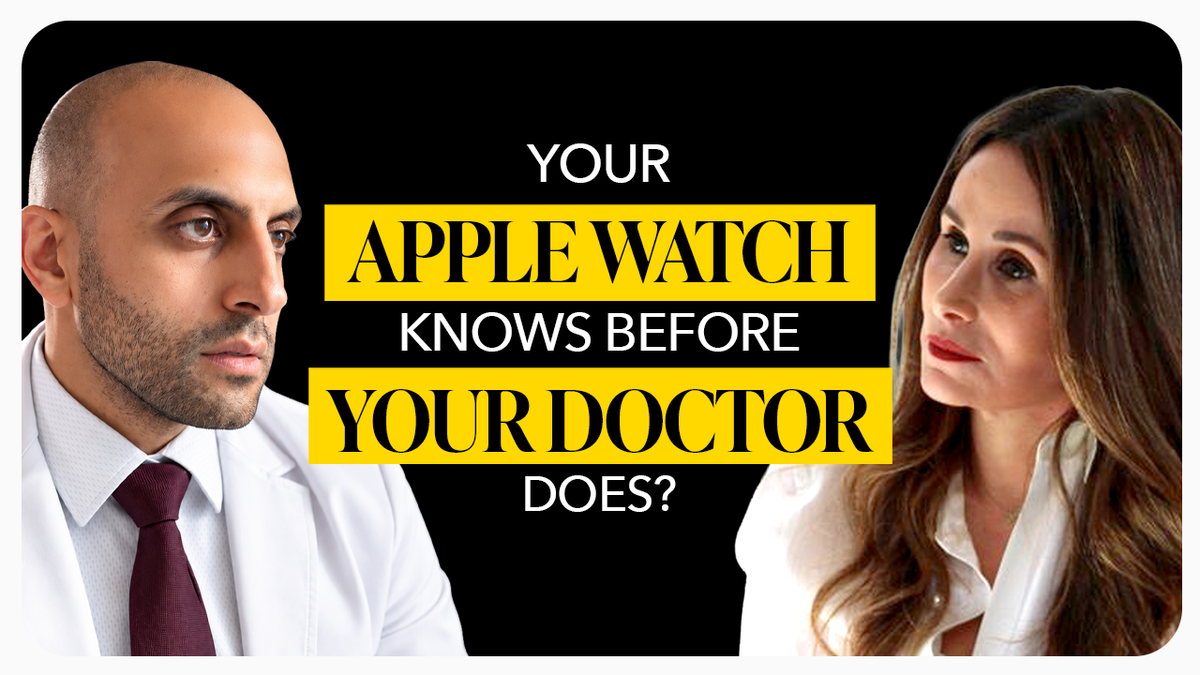
Most of us only see a doctor once something already feels wrong. But what if the warning signs showed up first, in a tube of blood, a scan, or the data on your wrist? Dr. Andrew Moawad says that future of AI in healthcare is already arriving. He is a board-certified internist and clinical informatician at Well by Messer in New York, with a focus on using healthcare technology and data to optimize patient care. He trained in internal medicine at NYU Langone Hospital–Long Island, where he served as chief resident, then completed a clinical informatics fellowship at the University of Chicago. Today he brings tools like AI, telehealth, and remote patient monitoring into primary care, including the home visits he makes for patients who need them. His message is both hopeful and practical: AI is not coming for your doctor's job. Used responsibly, it helps your doctor catch disease earlier and spend more time with you.
"I don't think it's going to replace doctors. Doctors who use AI responsibly are going to replace the doctors that don't use AI."— Dr. Andrew Moawad
In this episode of the Jadu Beauty Podcast, we sit down with Dr. Andrew Moawad, an internal medicine physician at Well by Messer, the New York multispecialty practice led by endocrinologist Dr. Caroline K. Messer. Dr. Moawad works where primary care meets data, and he walks us through how AI in medicine is already changing care: an FDA-cleared tool that flags sepsis hours earlier, a blood test that screens for several cancers at once, and selfie-camera apps that give a blood pressure reading at home. We also cover the basics no algorithm can replace, from good cholesterol vs. bad cholesterol to why diet and exercise come first, how to make wearable health data from an Apple Watch or Oura Ring actually useful, and why everyone should see a doctor at least once a year. It is a conversation about early disease detection, responsible technology, and taking an active role in your own preventive care.
What We Cover in This Episode
How AI Catches Disease Before Symptoms Appear
Early detection is where AI in healthcare is already proving itself. Dr. Moawad points to sepsis, one of the biggest problems in hospitals. In May 2026, the FDA cleared the first continuous AI sepsis monitor, developed at Johns Hopkins, and he explains that it can flag sepsis up to 48 hours before a human clinician would. These models study every vital sign and lab value at a level of detail no person can, and by his count every hour sepsis is caught earlier improves a patient's odds of survival by about 8%. AI is also reading eye scans for diabetic retinopathy, and on his home visits Dr. Moawad uses apps that let patients who struggle with a blood pressure cuff simply scan their face with a selfie camera to get a reading.
A Cancer "Fingerprint" in a Simple Blood Test
Multi-cancer early detection blood tests sound futuristic, but Dr. Moawad says the science behind them has been building for 20 to 30 years. Tumors have a blood supply, so tiny pieces of cancer DNA are always circulating in the bloodstream. Each cancer carries its own methylation pattern, which he describes as a fingerprint. From one tube of blood, a specialized test can look for those patterns and point toward a specific cancer, such as ovarian, pancreatic, or breast cancer. Because most patients already have blood drawn once a year, he sees it as a non-invasive way to gather more information, and he encourages patients to talk with their provider about whether it makes sense for them.
Good Cholesterol vs. Bad Cholesterol, Explained
Why is high cholesterol so common? Dr. Moawad starts with diet, noting how many ingredients allowed in the United States are banned in Europe, and with a lack of exercise, since most people underestimate how much movement they need. LDL, the "bad" cholesterol, builds up in the arteries. The body treats it as inflammation and calcifies it to seal it off, and over time the vessel narrows until blood flow is too limited, which can lead to a heart attack. Cholesterol itself is not the enemy: your body needs it to make hormones and fuel exercise. Early plaque usually causes no symptoms, which is why screening matters. Later, the classic warning sign is angina, chest pain with exertion, like struggling with a few blocks or stairs you used to handle easily. The same question about ingredients applies to your bathroom shelf, too: see our guide to sulfates, silicones, and parabens in hair care.
Wearable Health Data Only Matters If It Changes Behavior
Apple Watch, Oura Ring, or another tracker: Dr. Moawad loves when patients bring their numbers to a visit. Sleep scores, resting heart rate, daily steps, gym sessions, and calories burned give him a picture of what happens between appointments. But his rule is simple. Wearable data is great if it changes behavior, and if it doesn't, it is just data. No device is perfect, and research shows some track certain metrics better than others. Used well, they can be powerful; he shares the story of a patient who used her Oura Ring to track her cycles and get pregnant. If sleep is the metric you watch most, our guide to sleep and hair growth shows how your nightly rest shapes the hair cycle.
AI in Radiology, Pathology, and the Next Five Years
Will AI replace doctors? Not in his view. A radiologist may review up to 30 million images over a career and a pathologist perhaps a million, while AI can process that volume in minutes. That makes AI in radiology and pathology a partnership: AI screens faster and picks up microscopic details, and physicians make the call. False positives exist today with human readers, and he expects them to go down as the technology improves. Within five years, he believes ambient listening will free doctors from writing notes, giving them 45 minutes to an hour face to face with patients, while AI models already predict which drugs and cancer targets are likely to work before research leaves the lab. And when Geoffrey Hinton, often called the godfather of AI, warns that the technology could become dangerous? Dr. Moawad compares it to nuclear energy: it can be misused, so it needs safeguards and responsible use, but it is here to stay.
"I would want my images being screened by AI and double-checked by a radiologist or a pathologist, because you're really getting the best of both worlds."— Dr. Andrew Moawad
His One Piece of Advice: See a Doctor Once a Year
Dr. Moawad's advice for everyone, even when everything feels normal, is an annual checkup. It gives you an entry point into the healthcare system, a basic set of labs, and a basic set of vitals. From there, AI can act as your translator for medical information, so you can understand your results and advocate for yourself. At the end of the episode, we gifted him our shampoo and conditioner, made for what we call a chemical-free world. He agreed that eliminating unnecessary variables from anything you put into your body is critical, and that includes what goes on your scalp. Learn why in What Your Scalp Absorbs, Your Body Absorbs, then use The Ingredient List Is a Promise to read a label before anything touches your scalp.
Related to This Episode
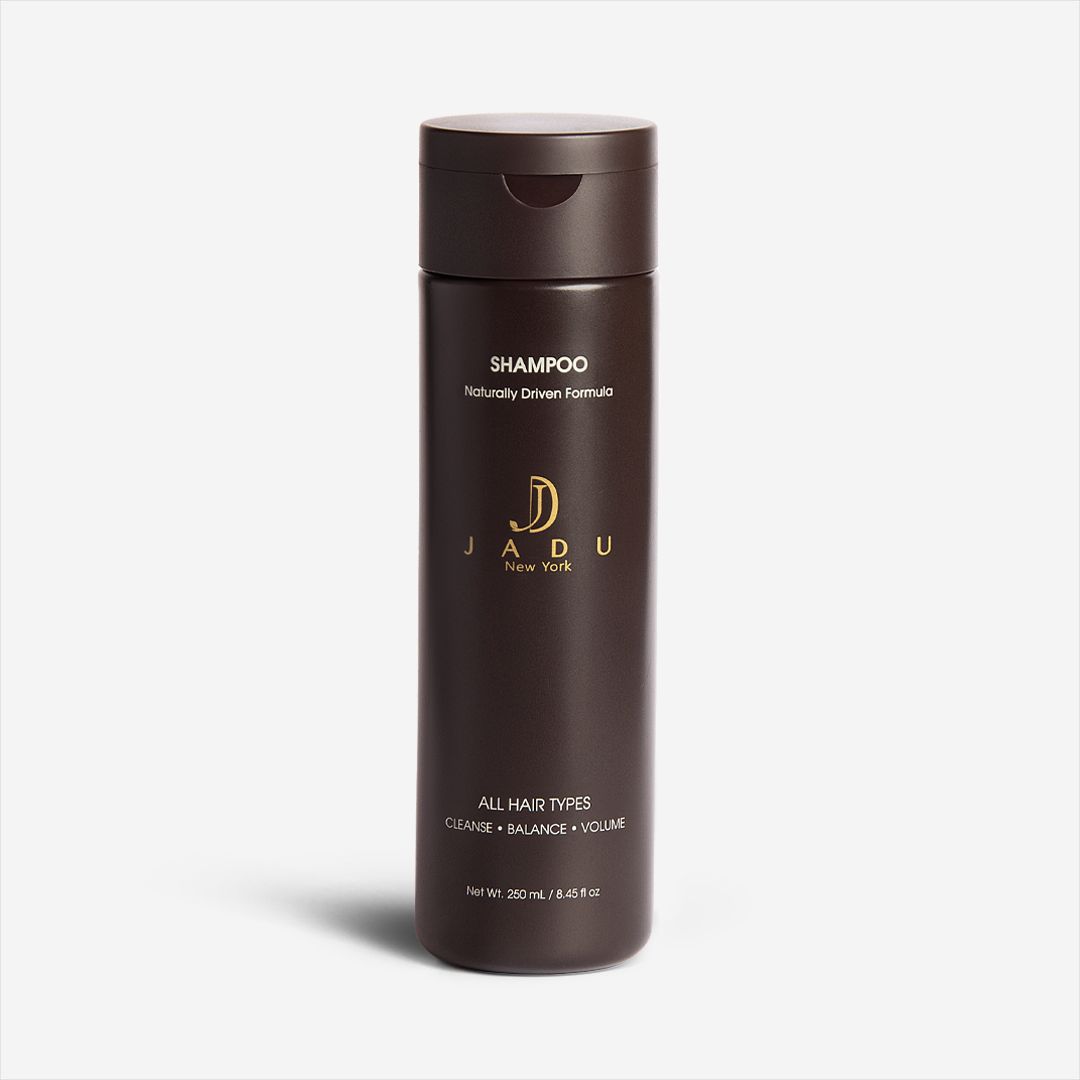
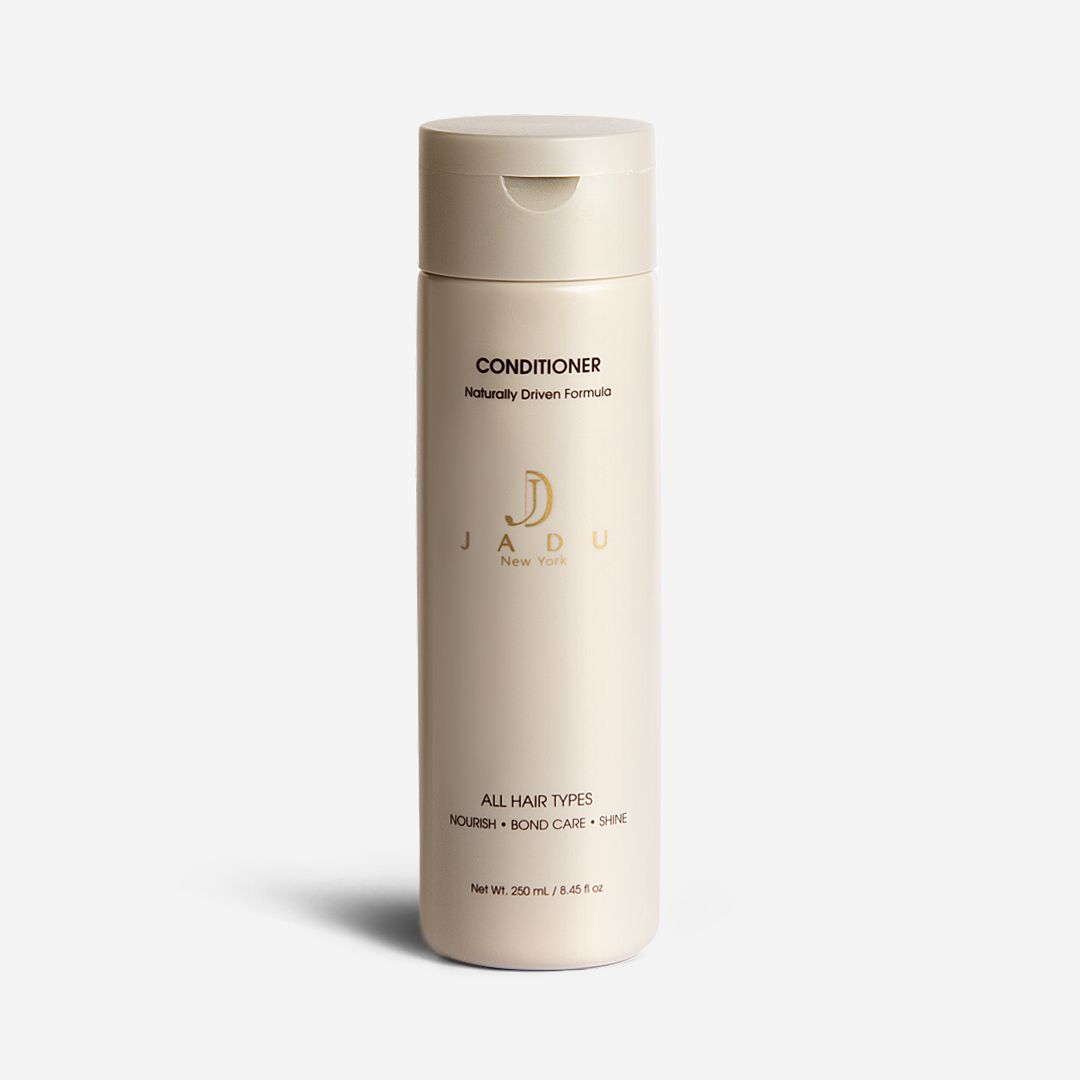
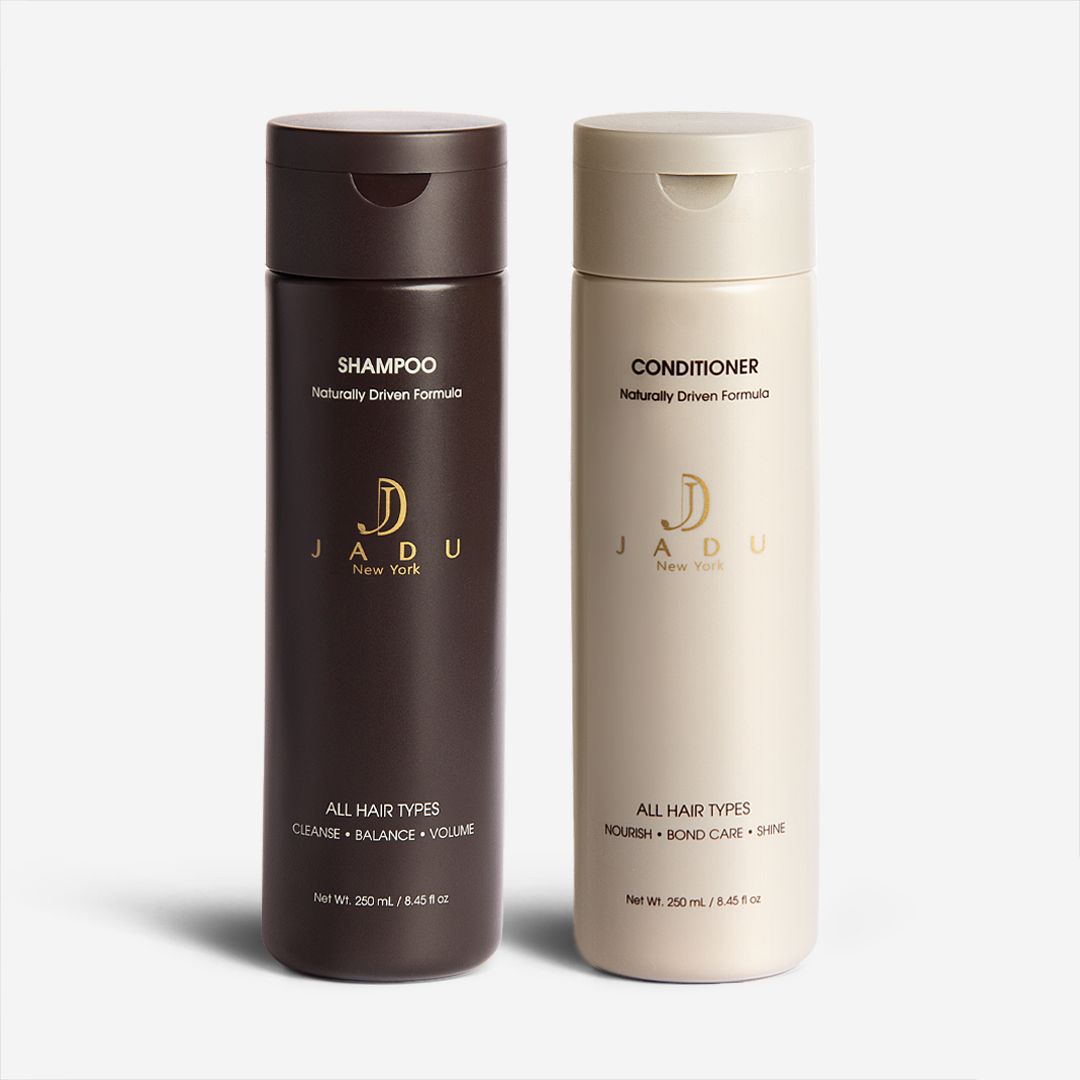
Preventive care starts with the small choices you repeat every day. These are the two products we gifted Dr. Moawad in the studio, the foundation of a clean hair care routine with ingredients you can read and trust.
Jadu Shampoo
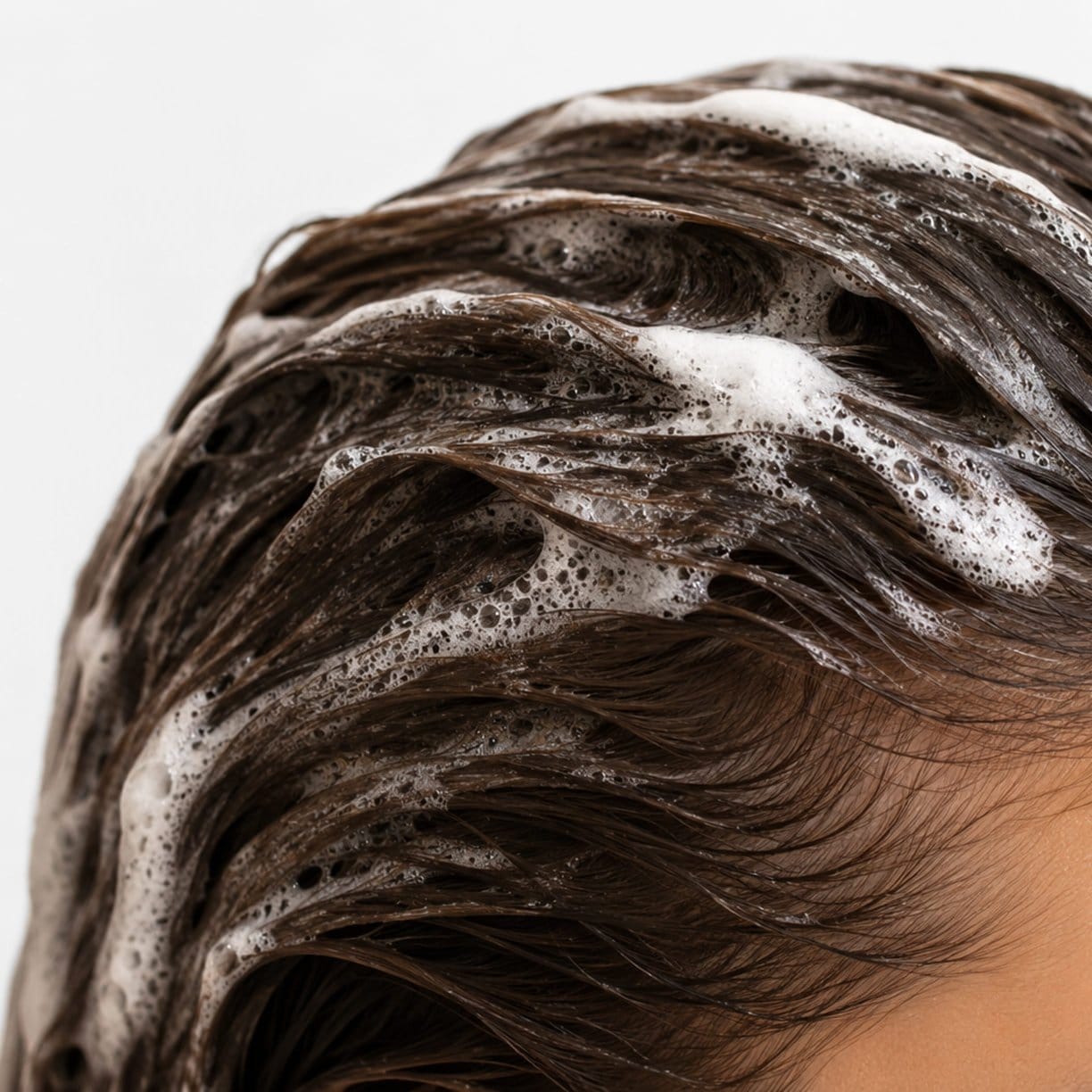
A sulfate-free, silicone-free shampoo made with plant-derived cleansers, lavender, coffee seed oil, and Pro-Vitamin B5. It lifts buildup without stripping your scalp, and it is free of parabens, phthalates, and synthetic fragrance, a non-toxic first step in a natural hair care routine.
Shop Jadu Shampoo →Jadu Conditioner
A silicone-free conditioner that softens with rapeseed-derived conditioning, coconut oil, and wheat protein for real slip and less visible breakage. Use it daily or leave it on as a nourishing hair mask. Color-safe, pregnancy-safe, and naturally scented with peppermint.
Shop Jadu Conditioner →Listen on
Join the Conversation
Which of Dr. Moawad's ideas stayed with you, whether it was AI as a second set of eyes, wearable data that actually changes your habits, or booking that yearly checkup? Do you track your sleep or heart rate, and has it changed how you live? Email us at Support@JaduBeauty.com. You could be featured as a future guest in our Manhattan office or join us virtually.
Support@JaduBeauty.com