

The Ingredient List Is a Promise — Here's How to Read One Before It Touches Your Scalp
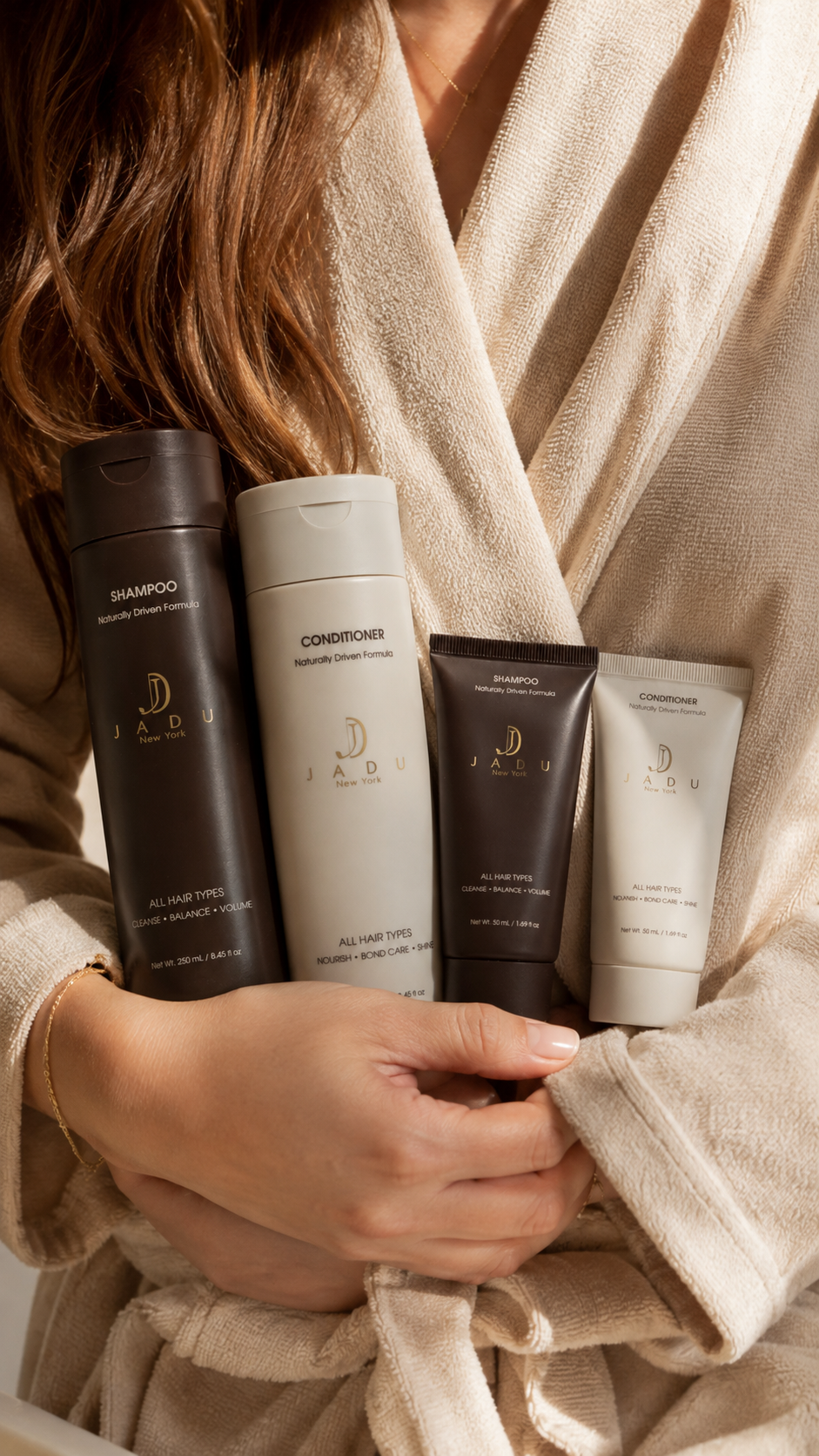
Ask most people what matters most on a label and the honest answer is some version of I have no clue. That isn't ignorance. Ingredient lists are printed small, written in Latin, and placed on the back of a bottle whose front has already told you what to think. But the front is a claim, and claims are free to make. The list on the back is the only part of the package required to be true — which makes it less a set of instructions than a promise. Think twice before making this a decade-long twice-weekly routine. Scalp skin readily absorbs whatever you put on it.
The Order Is the Information
An ingredient list is not alphabetical and not arbitrary. It is ranked by weight, heaviest first. The first few entries are most of what is in the bottle; the last few are traces.
That single fact defuses the most common trick in the category. A product can say made with organic ingredients on the front while the organic ingredient sits twentieth on the list — a drop of organic rose oil, present in a quantity too small to do much of anything, but enough to license the phrase. Read the first five entries and you have read most of the formula. Sustainability expert Lailee Waxman shared a quick shortcut on the podcast. Focus on the top five ingredients. They tell you almost everything about a product or its supply chain.
One caveat: below roughly one percent, the ranking rule relaxes and order stops meaning much. The top of the list is precise; the bottom is approximate.
Learn the Shape of a Formula
Once you can see the order, you can see the structure — and most personal care lists follow the same skeleton.
Water comes first in anything that lathers or spreads. That is normal, not filler.
Next come the active cleansers. This line on your hair care label is critical. It dictates how the product impacts your scalp health and natural moisture balance. Harsh sulfates like sodium lauryl sulfate strip natural oils and cause scalp irritation. Gentle sugar derived cleansers lift buildup without stripping. Ingredients like decyl glucoside, coco glucoside, and cocamidopropyl betaine protect your natural hair barrier. If you wash frequently or have a sensitive scalp, switching to a sulfate free, plant based shampoo is essential. Read our full guide in Sulfates, Silicones, and Parabens in Hair Care: Should You Avoid Them?
Then the actives and conditioning agents — panthenol, hydrolyzed proteins, plant oils, extracts. This is the part brands advertise, and it usually sits lower than the advertising implies.
Then the housekeeping — thickeners, pH adjusters like citric acid, salts, preservatives like sodium benzoate. These read as alarming and almost never are. A product with no preservative system is a product growing bacteria.
The shorter the skeleton, the easier the read. A well-made scalp oil can run to five ingredients total, at which point "read the first five" is simply "read the label."
An Adjective Is Not a Certification
Natural. Clean. Botanical. Non-toxic. None of these words has a gatekeeper. Any brand can print them on any formula, and the only backstop is the Federal Trade Commission catching the worst offenders after the fact. If a product claims organic and carries no certification, that gap is the whole story.
Certifications are different, because somebody audits them.
Organic certifications are clear in the food industry. USDA Organic is the gold standard. In personal care and beauty, independent third parties set the guidelines. NSF ANSI 305 regulates minimum organic ingredient thresholds for personal care products. EWG Verified evaluates product safety and ingredients. MADE SAFE screens for endocrine disruptors and toxic chemicals. Leaping Bunny and PETA verify cruelty free status. Cruelty free represents an ethical commitment that goes beyond a logo on a bottle.
That distinction is the one people collapse most often: a cruelty-free logo says nothing about whether a formula is gentle. Decide what you care about first, then look for the mark that measures it.
Fragrance, Dye, and Words You Can't Pronounce
Two entries deserve an automatic second look.
Fragrance — or parfum — is the broadest word on any label. It can mean a lavender hydrosol. It can also legally stand in for a proprietary blend of dozens of undisclosed components. The word is not the problem; the ambiguity is. When a brand is using something botanical, they will usually name the plant.
Dye is easier. Color changes nothing about how a shampoo performs. It exists so the bottle looks like what it smells like. Not dangerous — just unnecessary, and unnecessary is information.
As for the long chemical names: not all of them are red flags. Tocopheryl acetate is vitamin E. Citric acid is what is in a lemon. But when you cannot identify something, look it up. One search settles whether you are holding a benign plant derivative or something heavily processed you would rather not apply on a schedule.

What the Label Will Never Tell You
Here is the limit of the whole exercise: two products can carry nearly identical lists and still be different products.
The comparison that makes this concrete comes from the grocery store. Two cartons of eggs, one twice the price of the other, and the box does not explain the gap. What separates them is invisible on the packaging — what the hens were fed, how long they spent outside, whether the operation is small enough for any of it to be true. A few brands say so outright, and then you can see what the premium buys. Most don't, and you are guessing.
Haircare works the same way. A label says coffee seed oil. It does not say whether that oil was pulled with high heat and solvents in an afternoon or slow-infused at low temperature over weeks — a difference that decides how much of the antioxidant content survives. It says botanical extract without saying how fresh or how concentrated. It says nothing about batch size, which is one of the better proxies for whether anyone is paying attention.
None of that is on the box. It is on the company's own pages, if they bother to publish it — which makes the last step of reading a label something that isn't reading a label at all: five minutes on how the brand actually makes the thing. Reputation is public now, and a company overstating itself has usually been called out somewhere.
The Promise No Formula Keeps Perfectly
One honest caveat to close on. No brand is entirely clean, natural, or sustainable — it is close to impossible. Every ingredient still has to be grown, processed, shipped, and packaged, and each step carries a cost somewhere. Buying carbon offsets balances the ledger; it isn't the same as not emitting.
So the useful posture isn't purity. It's proportion. A brand that says plainly what it does and doesn't do is more credible than one claiming to have solved everything — and a proprietary blend, however traditional, is still taken partly on trust. Worth knowing what you're trusting, and why.
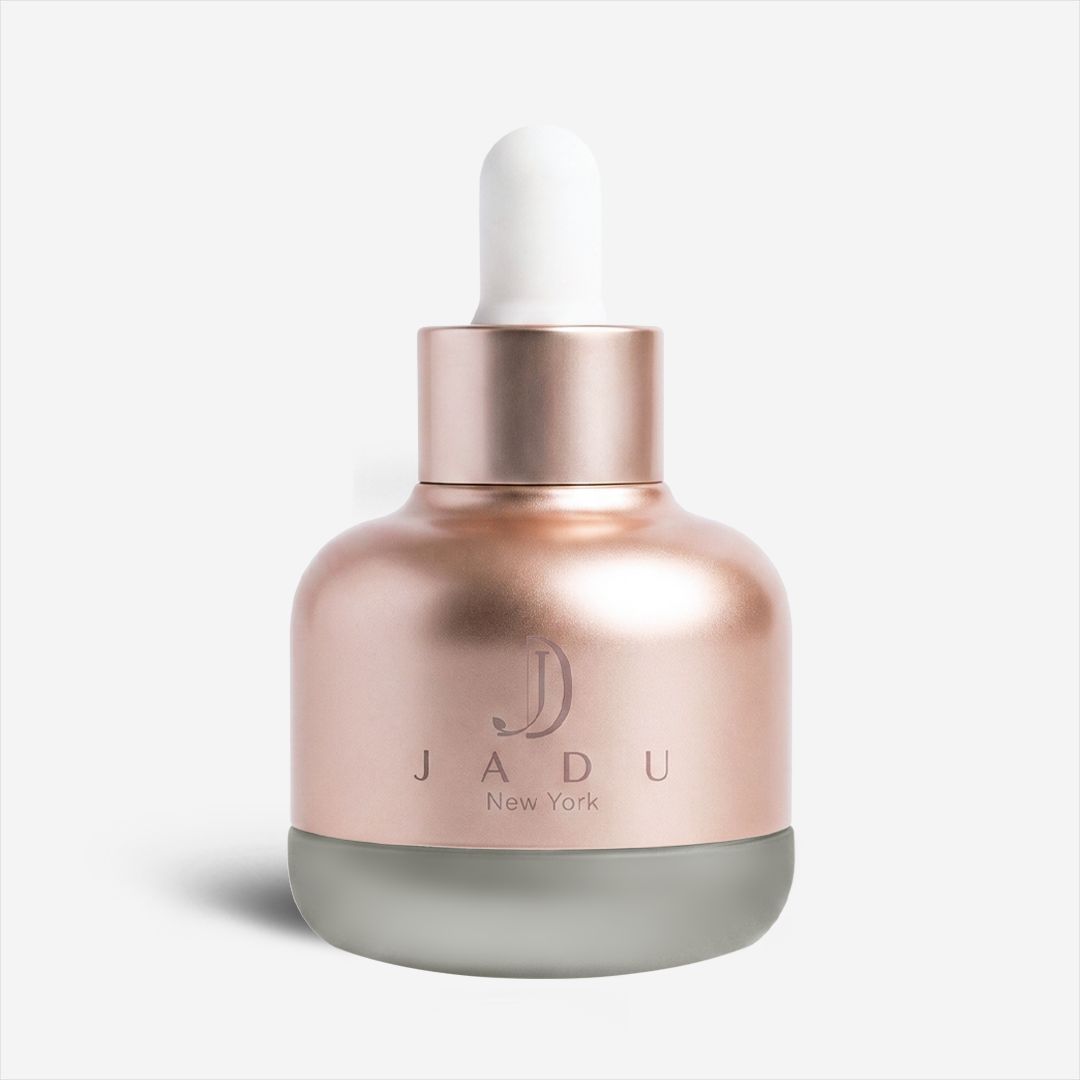
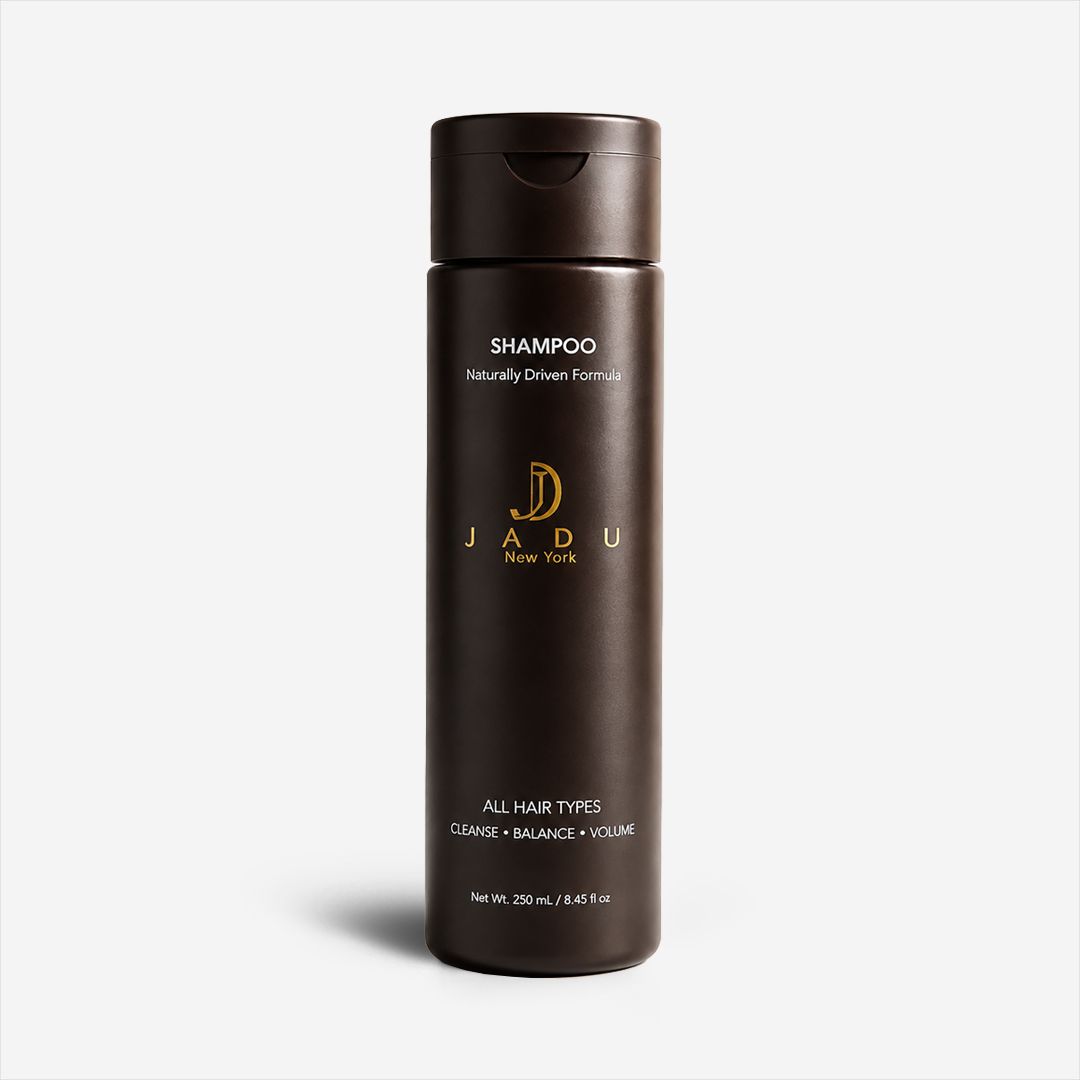
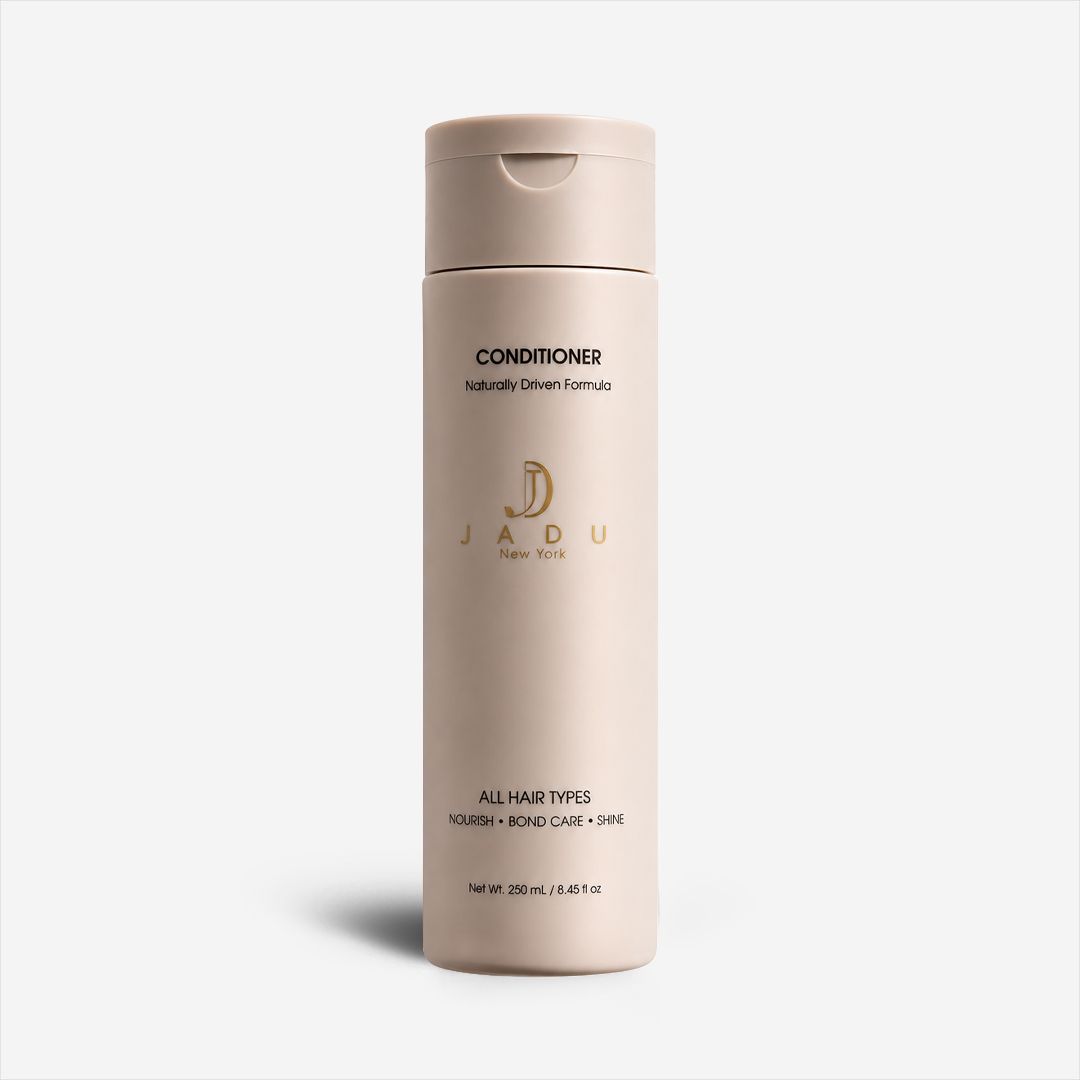
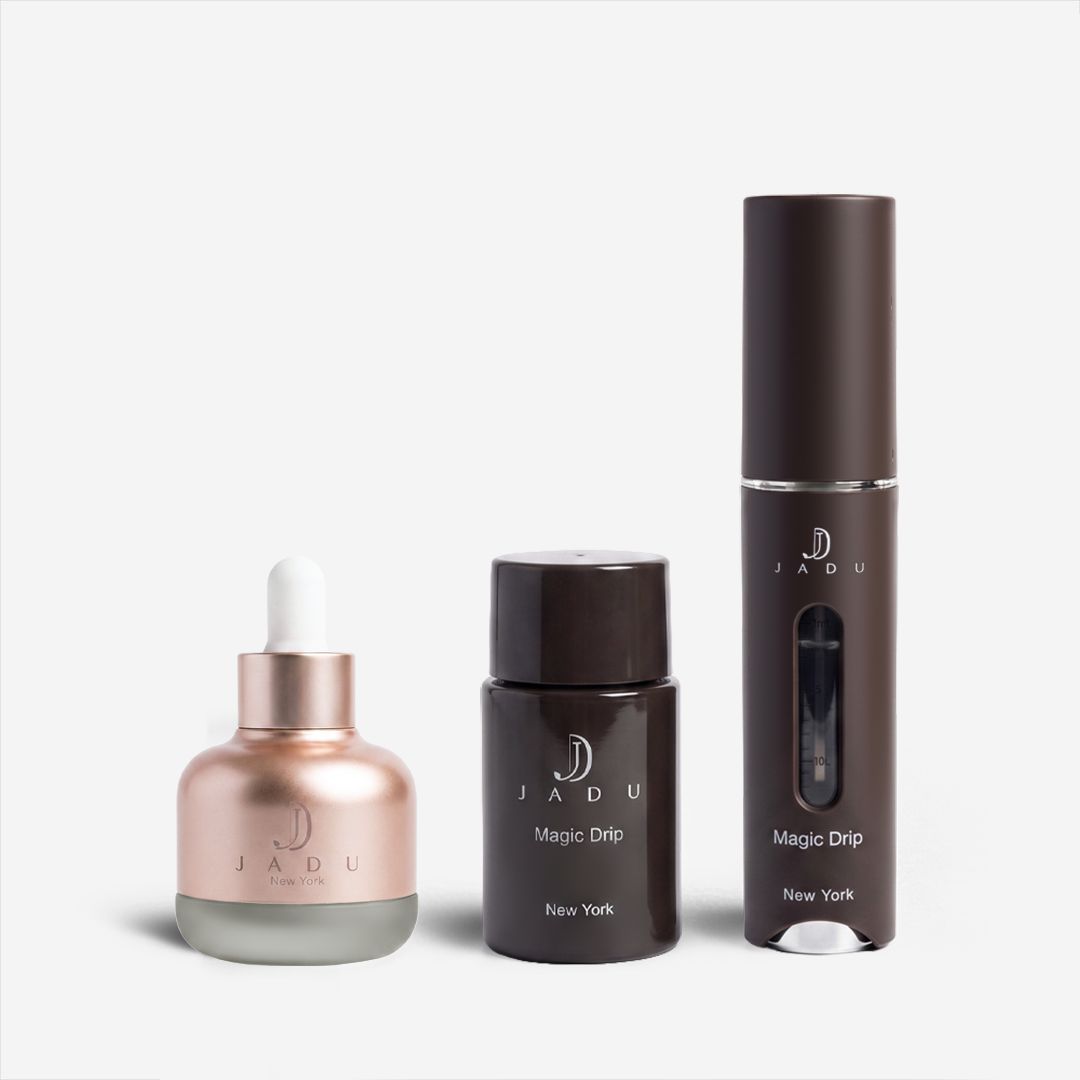
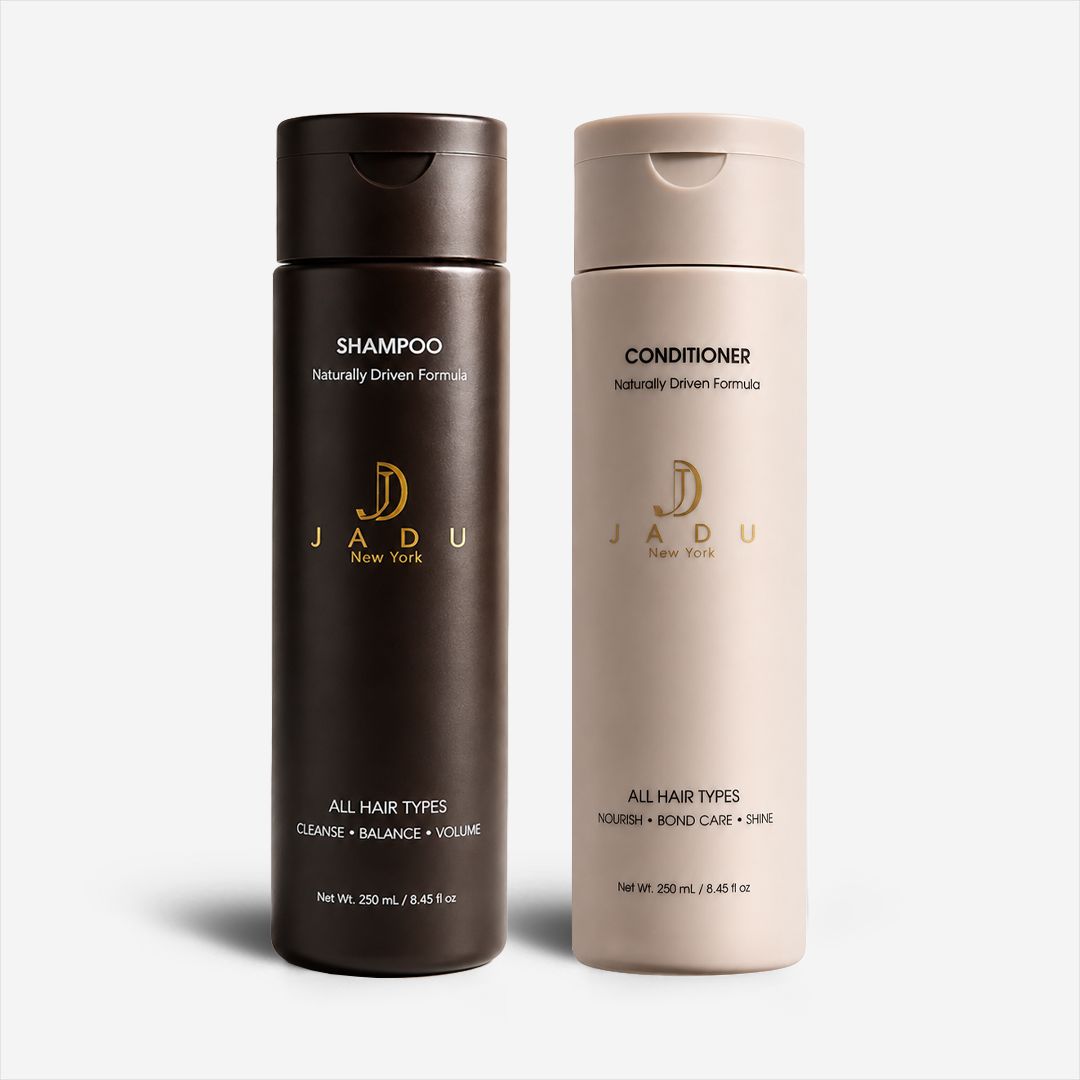
Jadu's formulas are built to survive this kind of reading. Short lists. Plant-derived cleansers instead of sulfates. No synthetic fragrance, no dye. A scalp oil that runs to five ingredients — coconut, castor, rosemary, coffee, and a family botanical blend, slow-infused in small batches in New York, the way Anna's family made it for generations.
There is nothing exotic about that. Formulations looked this way before they got complicated. What we now call clean is mostly simplicity, priced as though it were a luxury — and learning to read the back of a bottle is how you tell which is which.

Comments