
Lailee Waxman on Sustainability, Conscious Consumerism, and Why Small Choices Matter

Jadu Beauty Podcast ·
From " Fashion Design " to Rethinking Wellness and Sustainability
What happens when a fashion designer starts asking where the fabric actually comes from? For Lailee Waxman, that question turned into a career. Lailee is a fashion designer and sustainability professional who recently completed a Master of Science in Sustainability Management at Columbia University , and in this episode of the Jadu Beauty Podcast, she joins us to talk about ESG strategy, ingredient transparency, and why a clean beauty brand's ingredient list is really just a smaller version of the same question she asks about a garment's supply chain. Lailee's work sits at the intersection of fashion, sustainability, environmental responsibility, consumer behavior, and modern wellness. She studies how production, consumption, public health, and environmental systems all pull on each other, whether the product in question is a jacket or a bottle of shampoo. Her graduate work focused on ESG strategy, climate-related issues, and the broader relationship between environmental and human well-being, and throughout the conversation she explains how that same sustainability lens shapes the way we shop, eat, care for ourselves, and consume sustainable beauty products.
Her philosophy, in short: sustainability was never about perfection. It's about noticing the connection between a daily choice and its long-term cost to your health, to the planet, to the people down the supply chain you never see. It’s about choosing differently on purpose.
What We Cover in This Episode
Every Purchase Is a Vote You Don't Realize You're Casting
Sustainability is about meeting the needs of the present without compromising the ability of future generations to meet their own needs.
"Sustainability is about meeting the needs of the present without compromising the ability of future generations to meet their own needs."— Lailee Waxman, Sustainability Professional
She pushes back on the idea that sustainability is someone else's job. Every purchase carries a footprint, she argues, including the ones sitting in your bathroom cabinet right now. Conscious consumerism isn't about guilt; it's about noticing the connection that was always there. It's the same thinking behind why we partner with Leaping Bunny and PETA : a corporate sustainability strategy is only as real as the choices it's built on.
Read the First Five Ingredients. They Tell You Everything
This is where the conversation turns from fashion to beauty, and it's the most tactical stretch of the episode. Lailee walks through how to actually read an ingredient label — not skim it, read it — and why ingredient transparency is the difference between a clean beauty brand and a brand that's just using the word "clean" in its marketing.
Look at the first five ingredients on a label, they tell you the most."
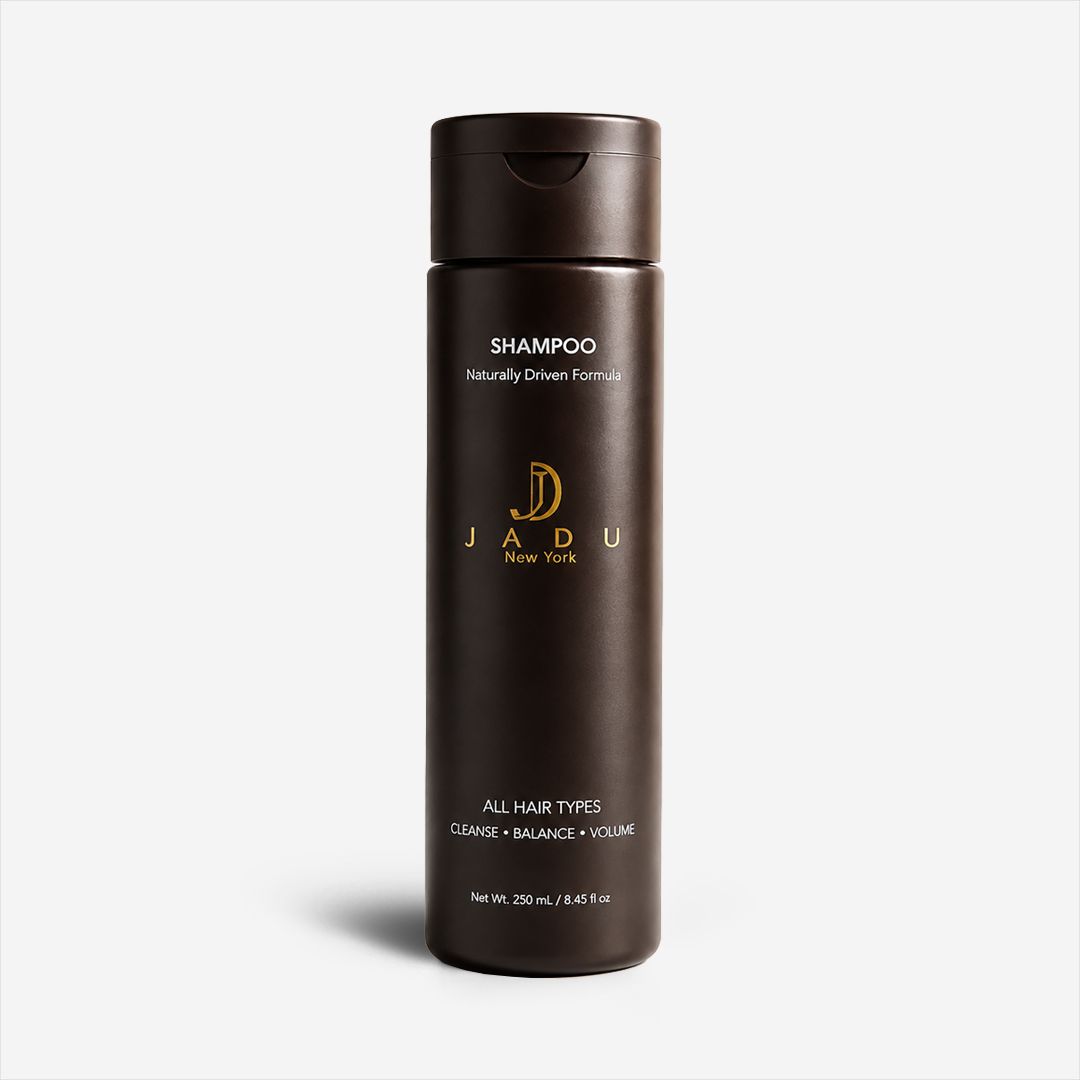
That's the habit worth borrowing the next time you're deciding what actually counts as non-toxic hair care versus what's just labeled that way. Lailee is direct about vague marketing claims like "natural," "clean," and "green". Claims that aren't backed by an actual certification, and encourages listeners to look for the credentials behind the label instead of the language on the front of the bottle. It's the same reasoning behind why we skip sulfates, silicones, and parabens in our own formulas, and behind the botanical ingredient list in Jadu Shampoo . Five ingredients you can actually pronounce, not fifteen you can't.
You Can't Buy Your Way to Wellness
The conversation shifts into wellness and into one of the more pointed moments of the episode, where Lailee names a habit most of us are guilty of.
"People want to buy their way into health instead of changing their behavior"
Her point isn't that products don't matter, it's that they can't substitute for behavior change. Natural self-care, in her framing, isn't a new product category; it's simplicity that's been repackaged and sold back to us at a markup.
"Natural self-care is simplicity marketed as a luxury."
Start Gradually. Sustainability Is a Slow Process
Lailee closes on the theme that ties the whole conversation together: sustainable lifestyle habits aren't built overnight, and they don't need to be.
"Start gradually. Sustainability is a slow process that shifts behavior over time."
She encourages listeners to pick one habit, not ten. Start with your grocery list, one product swap, one label actually read start to finish and let it compound. As she puts it, individual choices matter more than most people realize; they just don't feel like they do in the moment. It's the same "start small" logic behind why stress quietly shows up in your hair before anywhere else and why gut health drives hair health more than most routines account for. If this conversation resonated, it pairs well with two other episodes: Anna Asi on Clean Beauty, Family Traditions, and Why Scalp Health Is the Foundation of Hair Wellness and Build the Healthiest & Easiest Eating Habits . Both podcasts circle the same idea from a different angle: real change is internal, gradual, and rarely something you can buy your way into.
Related to This Episode
Jadu Shampoo & Conditioner
Built the way Lailee describes reading a label. Nothing on the ingredient list you can't account for, no fragrance or dye hiding behind a vague "clean" claim. Sulfate-free, silicone-free, and formulated botanically.
Shop Jadu Shampoo & Conditioner →The Magic Ritual
Built on the same logic as Lailee's closing message, consistency over quick fixes. A daily scalp treatment, a pre-wash hydration step, and intensive end repair, each doing one job consistently instead of promising an overnight transformation.
Shop The Magic Ritual →Listen on
Join the Conversation
What part of Lailee's perspective changed the way you think about sustainability and everyday choices? What small habit have you adopted to live a healthier and more intentional lifestyle? We'd love to hear from you. Email us at Support@JaduBeauty.com You could be featured as a future guest in our Manhattan office or join us virtually.