
I Couldn’t Walk, BUT NOW I CAN RUN AGAIN! | Bone Density, Protein & Strength Training

Jadu Beauty Podcast · Bone Health & Healthy Aging
From "Silent Disease" to Stronger Bones at the Intersection of Hormones and Healthy Aging
Most of us never think about our bones until one breaks. That is exactly why osteoporosis is called the silent disease: it affects millions of people, and many have no idea they have it until they suffer a fracture. Dr. Barrie Weinstein says protecting your bones starts long before that moment. She is a double board-certified endocrinologist with more than 20 years of experience in diabetes, metabolism, thyroid disease, and bone health, and the Medical Director of Well by Messer's Upper East Side location in New York. She earned her medical degree at the Sackler School of Medicine at Tel Aviv University, trained in internal medicine at the Icahn School of Medicine at Mount Sinai, completed her fellowship in endocrinology, diabetes, and bone disease at Mount Sinai, and spent 18 years at the Faculty Practice of The Mount Sinai Hospital. Her message is direct and practical: walking is good for you, but if you want stronger bones you have to strength train, and what you eat, drink, and smoke matters at every age.
"You have to strength train. This is a must. It really is a must."— Dr. Barrie Weinstein
In this episode of the Jadu Beauty Podcast, we sit down with Dr. Barrie Weinstein, Medical Director at Well by Messer, the New York multispecialty practice led by endocrinologist Dr. Caroline K. Messer. Osteoporosis often goes unnoticed until a bone breaks, so this conversation is all about prevention. Dr. Weinstein explains how bone constantly rebuilds itself and what tips the balance toward bone loss, who is most at risk, and whether GLP-1 weight loss medications are bad for your bones. We cover how smoking in your teens, coffee, and alcohol affect bone density, how much protein, calcium, and vitamin D you really need, calcium citrate vs. calcium carbonate, and why walking alone is not enough. It is a practical guide to osteoporosis prevention, strength training for bone health, and building a skeleton that keeps you strong as you age.
What We Cover in This Episode
What Osteoporosis Is, and Who Is Most at Risk
Bone is living tissue. As Dr. Weinstein explains, your skeleton is constantly breaking down and rebuilding itself, driven by two main types of cells: osteoclasts, which break bone down, and osteoblasts, which build it back up. In healthy bone this cycle is tightly regulated. In osteoporosis, breakdown starts to outpace building, and over time the bones become weak, brittle, and more likely to break. Some people carry more risk than others. Thin Caucasian and Asian women are at the highest risk, which is why our host's own OB-GYN ordered her bone density scan years before the usual age, simply because she is petite. If you are approaching or past menopause, our guide to the biology of menopause explains what this hormonal shift means for your body, your hair, and your skin.
GLP-1 Medications and Bone Loss: It Is the Pace, Not the Drug
With GLP-1 medications now so widely used, Dr. Weinstein calls their effect on bone a hot topic. Her answer is reassuring: there is no evidence that these medicines are toxic to bone, and in animal studies they can even have a positive effect. People with diabetes already face a higher risk of osteoporosis and fractures, and the research so far points to the weight loss itself, not the medication, as the issue. Body weight puts a healthy load on the skeleton, so when patients lose a lot of weight in a short period of time, their bones lose some of that protection, and nutrition often slips at the same time. That supports what our host had heard: losing weight gradually, while eating well and getting enough protein, gives your bones the best chance to keep up.
Smoking, Coffee, and Alcohol: The Habits That Shape Your Bones
When Dr. Weinstein meets a new bone patient, smoking is one of the first things she asks about. Many proudly say they quit 10, 15, or 20 years ago, and that is great news for their heart and lungs. But smoking in high school or college can still leave a mark, because it gets in the way of reaching peak bone mass, the total amount of bone you build when you are young. Start adulthood with a lower peak and you have less in reserve later. Coffee lovers can relax: some studies suggest the polyphenols in coffee may even benefit bone. The concern is caffeine in large amounts, since studies link more than about four cups, or 400 milligrams of caffeine, a day to negative effects on bone. She tells patients to keep it to two cups a day, knowing three is probably fine. You do not need to give up your coffee, and alcohol is okay too, as long as you keep it limited.
Protein, Calcium, and Vitamin D: What Your Bones Need From Your Plate
Dr. Weinstein admits she once thought protein was overrated. Today she gives almost the same advice to her bone patients and her patients losing weight on GLP-1s: make sure you are getting enough. How much you need depends on your age, activity level, height, and weight, and needs can rise as you get older just as appetite tends to fall, which is why she refers patients to a dietitian. For calcium, food comes first because it is best absorbed that way, with a supplement to make up the difference. Aim for 1,000 to 1,200 mg a day, or about 1,200 mg if you already have osteoporosis. Calcium carbonate packs more calcium per pill and costs less but can irritate the stomach, while calcium citrate absorbs more easily with or without food, so she recommends citrate more often. Vitamin D works alongside calcium, not on its own. D3 is the best-absorbed form, and 1,000 to 2,000 IU a day is a safe place to start before checking your level. Vitamin K does not yet have enough evidence behind it, so she decides case by case. The rest is a clean diet rich in fruits and vegetables, like the Mediterranean diet. What you eat shows up in your hair as well: read about the connection between gut health and hair growth.
Why Walking Is Not Enough: Strength Training for Bone Density
Dr. Weinstein would never tell anyone to stop walking. But to prevent bone loss or treat osteoporosis, bones need resistance. Her prescription is strength training at least three days a week, for 20 to 30 minutes, at moderate intensity. What does moderate mean? If you are doing three sets of 10, by the eighth rep you should feel like you cannot get to 10. She points to the LIFTMOR trial, in which about 100 postmenopausal women with low bone mass did high-intensity resistance training for 30 minutes, twice a week, for 8 months, and improved their bone density. The study was too short to show fewer fractures, and every session was supervised, so she would never want patients to try that kind of program on their own. For people who, like our host, find weight training hard to love, she starts with what is realistic: something safe that you enjoy and will keep doing consistently.
"When I have a patient who is interested either in preventing bone loss or treating osteoporosis, walking is not enough, cycling is not enough, swimming is not enough."— Dr. Barrie Weinstein
Her Three Tips for Strong Bones at Any Age
The biggest misconception Dr. Weinstein sees? People who are fit, strong, and lifting weights assume they are protected. Genetics plays a strong role, along with inflammation and likely factors all around us in our environment, so get screened when your doctor tells you to or once you reach 50. Her first tip is the one she had just repeated to her last patient before heading to the studio: strength train. It builds bone, helps prevent falls, and keeps everyday moves like climbing stairs or getting up off the floor possible as we age. Second, get enough protein and spread it out. Many people skip breakfast, rush lunch, and eat most of their protein at dinner, but she says the body does not absorb it well that way. Aim for 20 to 30 grams per meal, with an occasional 10 to 15 gram snack. Third, live clean: do not smoke, limit alcohol, and keep caffeine in moderation. At the end of the episode, we gifted her our new shampoo and conditioner, made for what we call a chemical-free world. Clean living reaches your bathroom shelf, too: learn how to spot endocrine disruptors on a shampoo label, and why What Your Scalp Absorbs, Your Body Absorbs.
Related to This Episode
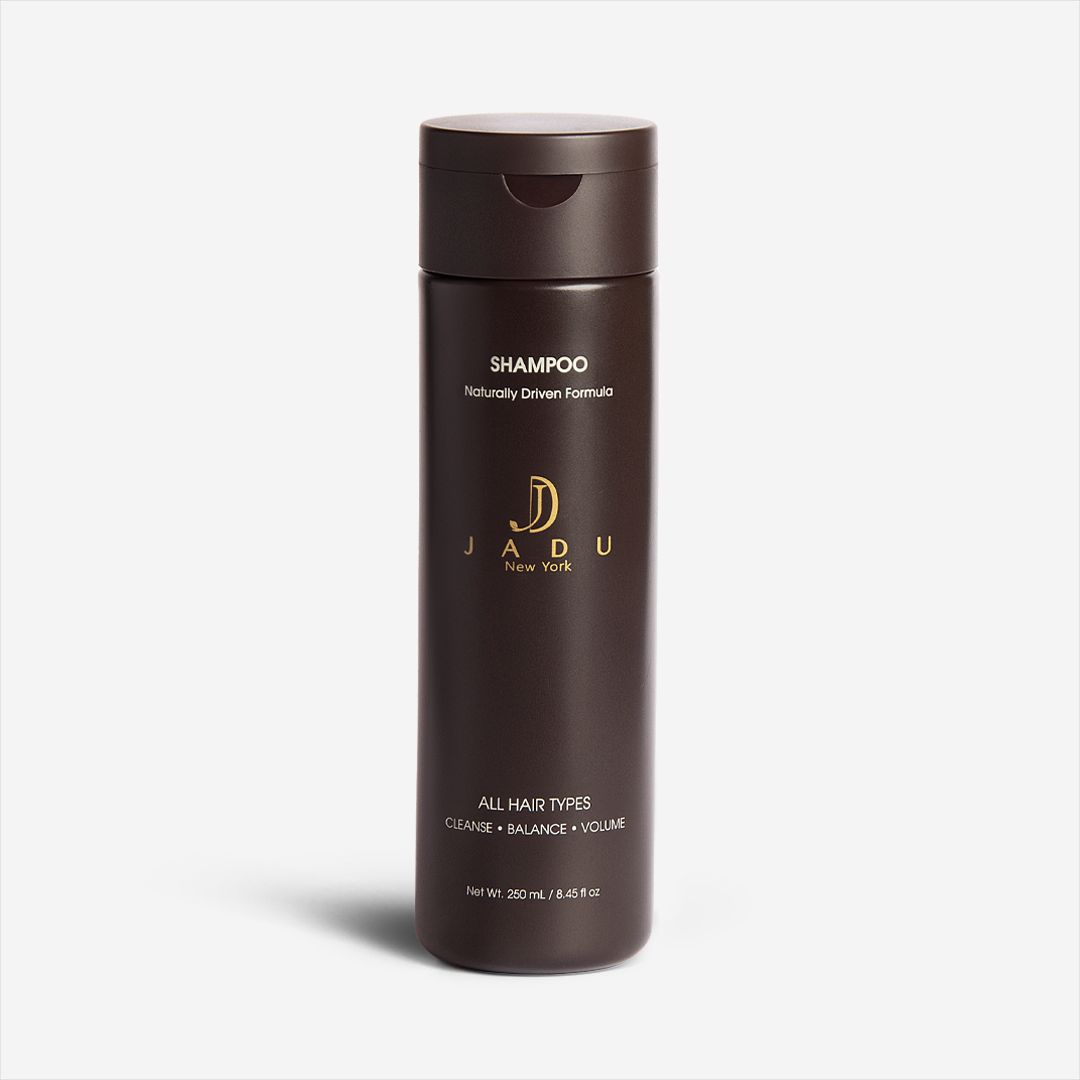
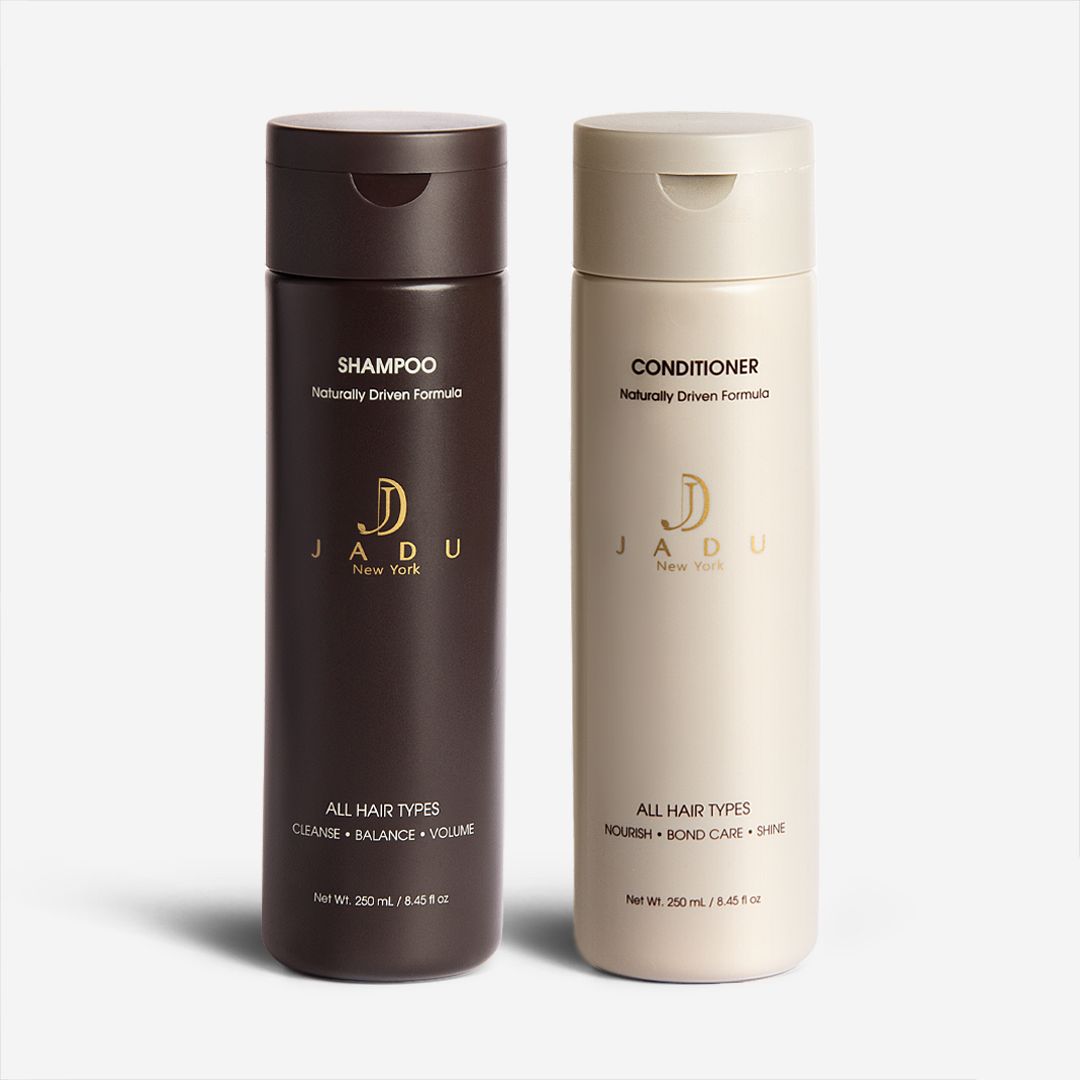
Strong bones are built on the small choices you repeat every day, and so is healthy hair. These are the two products we gifted Dr. Weinstein in the studio, the foundation of a clean hair care routine with ingredients you can read and trust.
Jadu Shampoo
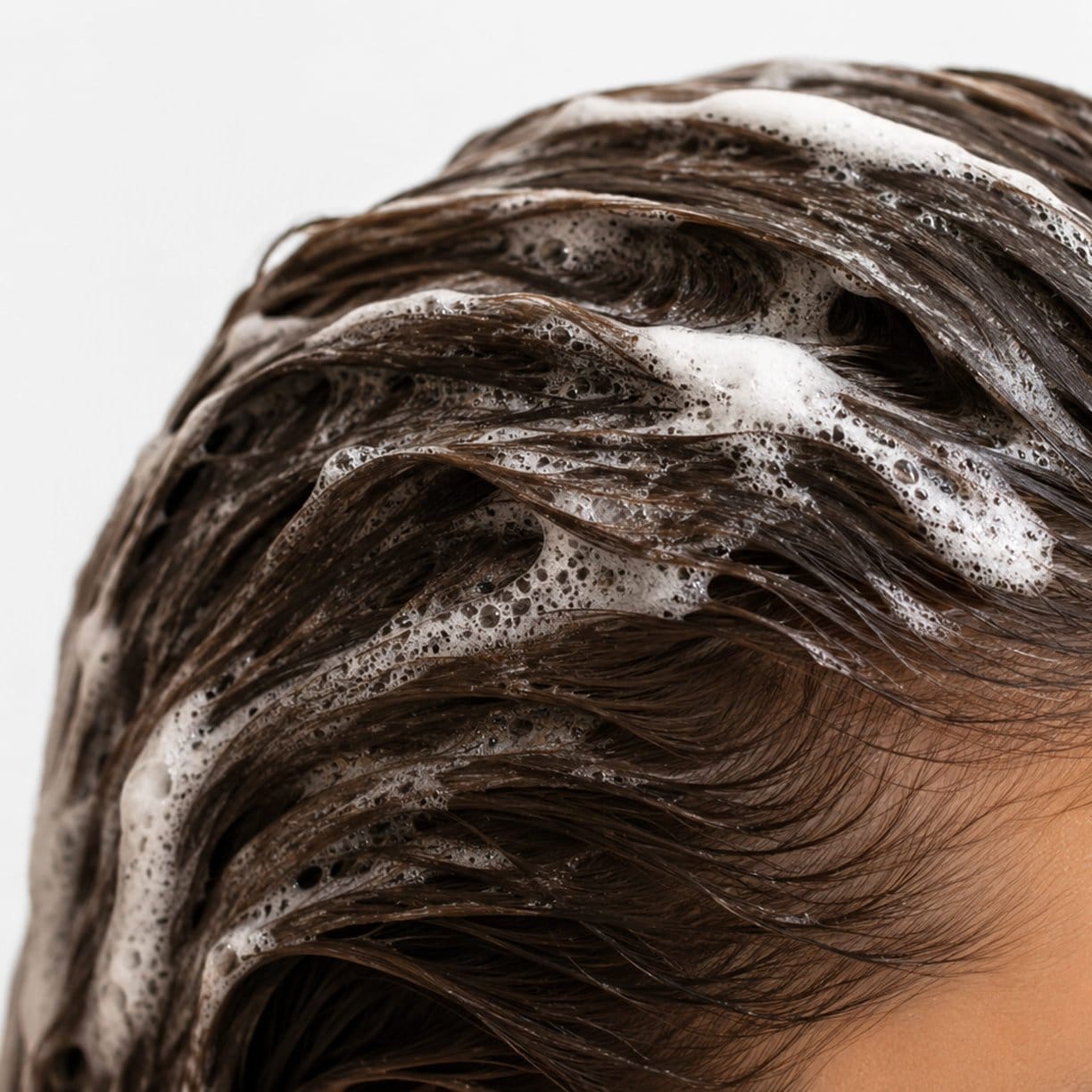
A sulfate-free, silicone-free shampoo made with plant-derived cleansers, lavender, coffee seed oil, and Pro-Vitamin B5. It lifts buildup without stripping your scalp, and it is free of parabens, phthalates, and synthetic fragrance, a non-toxic first step in a natural hair care routine.
Shop Jadu Shampoo →Jadu Conditioner
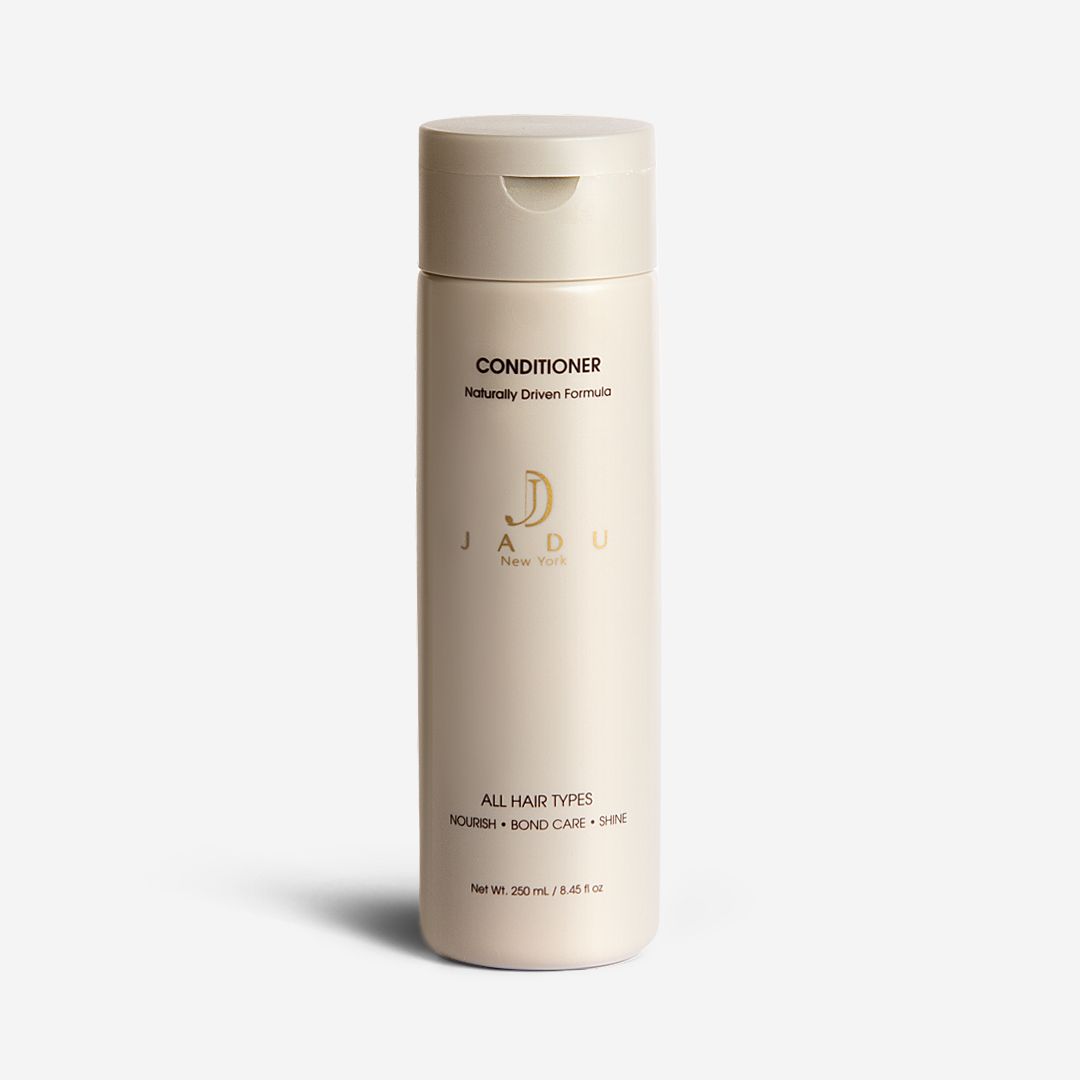
A silicone-free conditioner that softens with rapeseed-derived conditioning, coconut oil, and wheat protein for real slip and less visible breakage. Use it daily or leave it on as a nourishing hair mask. Color-safe, pregnancy-safe, and naturally scented with peppermint.
Shop Jadu Conditioner →Listen on
Join the Conversation
Which of Dr. Weinstein's tips will you start with, whether it is adding strength training to your week, spreading your protein across the day, or asking your doctor about a bone density scan? Has a scan or a diagnosis changed the way you eat or move? Email us at Support@JaduBeauty.com. You could be featured as a future guest in our Manhattan office or join us virtually.
Support@JaduBeauty.com