

Endocrine Disruptors: How to Read a Shampoo Label
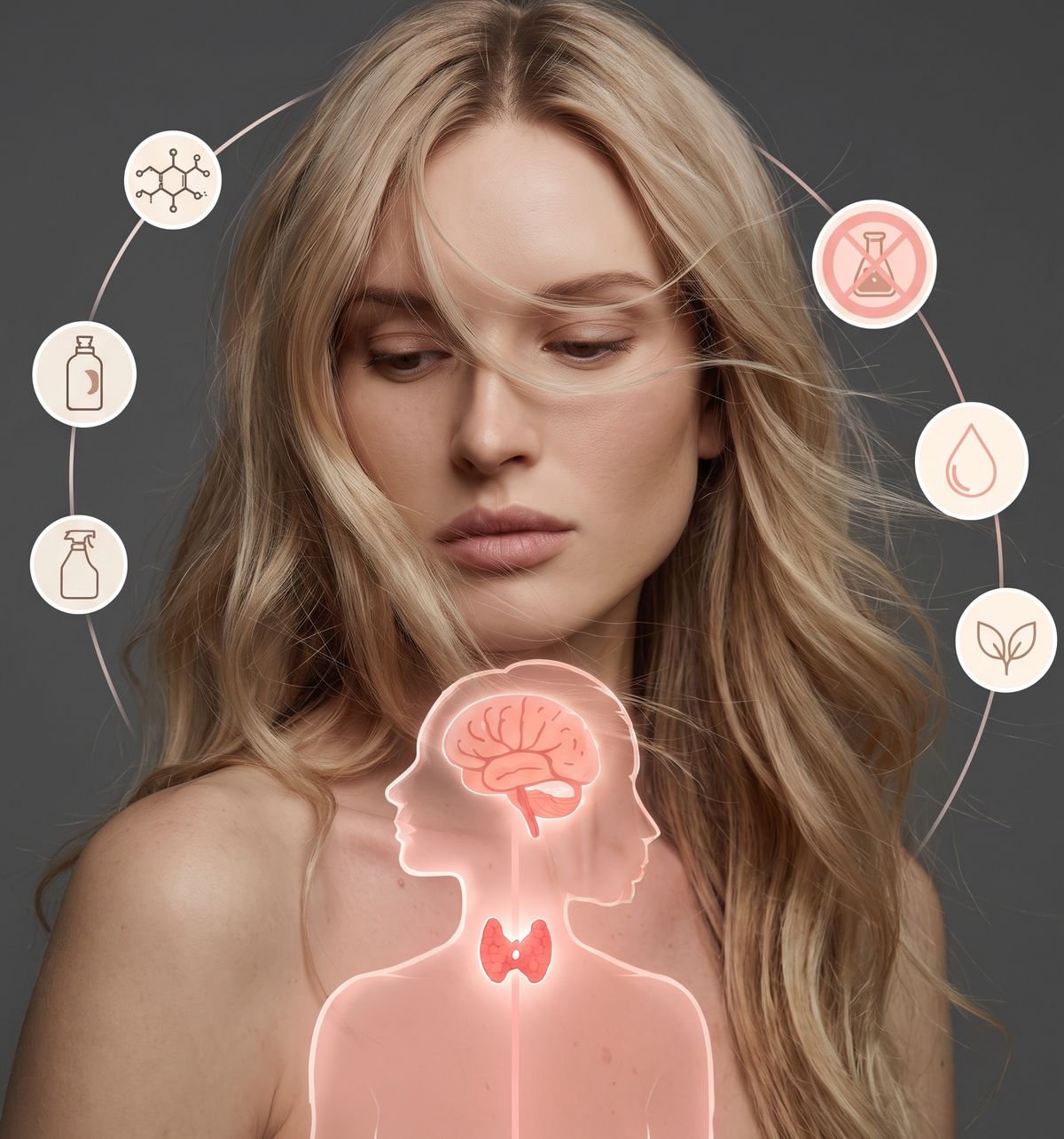
The Doses You're Not Counting: How to Spot Endocrine Disruptors on a Label
Most of us think of health risk as something that announces itself — a symptom, a bad test result, a family history. But is a lot of what shapes long-term health happening loudly? It may be quiet one like everyday chemical exposure, in small amounts, over years.
No single shampoo, lotion or food container decides your health. The pattern does: what you use, how often, and for how many years. Many of those everyday products contain endocrine disruptors, chemicals that may mimic or interfere with the body's hormones.
That idea sat at the center of a recent Jadu Beauty Podcast conversation with Brigitte Zaki, a breast cancer survivor who rebuilt her daily routines around it. For Breast Cancer Awareness Month, here's how everyday exposure adds up, what to watch on your bathroom shelf, and the small habits that help, with her story as a running example.
How Everyday Chemical Exposure Adds Up
About 1 in 8 US women will develop breast cancer, and only 5 to 10 percent of cases are hereditary. Most women who are diagnosed have no family history to warn them, and the other risk factors, from age to alcohol to hormones, rarely send a signal either.
Brigitte is a case in point. In 2017, three weeks after her doctor told her, "All your numbers are amazing," a routine mammogram found stage two breast cancer. She had no symptoms and no family history she knew of.
Researchers are still studying how much everyday chemicals add to that picture. Brigitte's takeaway is about time: "It takes 15 to 30 years," she says. "It's cumulative." So the useful question isn't whether one product is safe, but how many small doses you're adding up without counting.
The Four Factors That Decide Chemical Exposure
Whether an exposure matters depends less on what it is than on how you meet it. Brigitte sorts every worry, from the microwave to her shampoo, by the same four questions:
| Factor | The question to ask | Everyday example | Easy fix |
|---|---|---|---|
| Duration | How long, and how often? | Shampoo several times a week, for years | Give your most-used products the shortest ingredient lists |
| Intensity | How much? | The first five ingredients are most of the bottle | Read the top five |
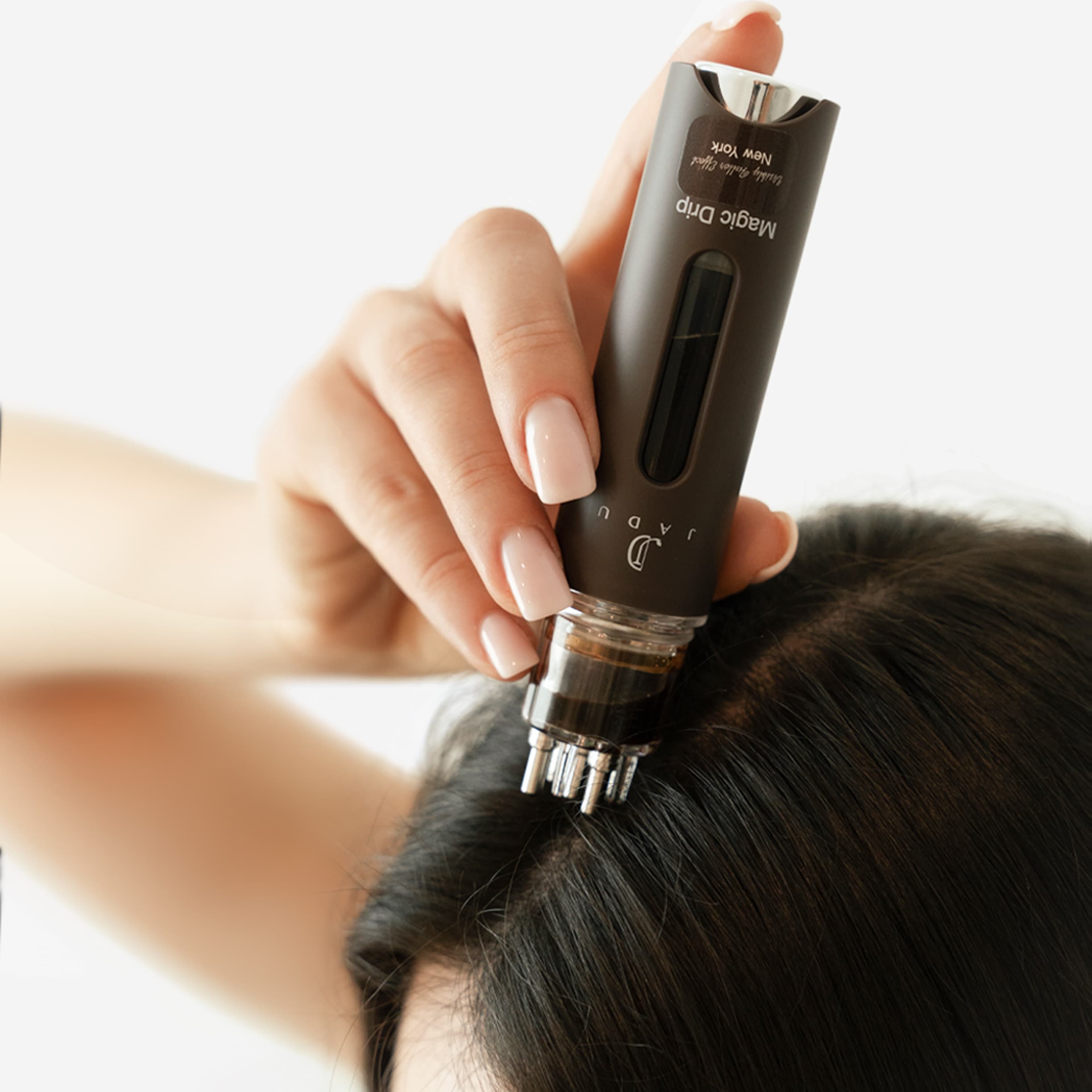
| Route | How does it get in? | Hairspray inhaled in a closed bathroom; a leave-in treatment on the scalp | Spray in an airy room; check what you leave on |
| Timing | When in life? | Pregnancy, early childhood, the years before puberty | Be most careful during those windows |
Everyday products are long-duration by definition, the order on a label tells you intensity (here's how to read it), and your scalp is skin. Timing is the one Brigitte feels most: "I would have had less things around the house if I was more educated at that time," she says of raising her daughter. If you're expecting, see our do's and don'ts of hair care during pregnancy.
How to Read a Label Without Fear
Reading labels is the most practical defense, and two rules do most of the work. First, read the top five: ingredients are listed from highest concentration to lowest, a shortcut Lailee Waxman also shared on the podcast. Second, look up anything you don't recognize. After her treatment, Brigitte made both a habit, using EWG's Healthy Living app, which scores products from 1 to 10 for hazard; she aims for a 1 or 2. A low score means more when there's plenty of safety data behind it .
The goal isn't zero.
"You can't be perfect and have no chemicals. It's just the world we live in."— Brigitte Zaki
Silicones were what surprised her when she read the list on Split Ends Care.She looked up every ingredient she didn't know. "They're actually all really okay," she says, "which is rare."
Formulas like that are rare. "As a consumer," she says, "I would pay more for it." if you're also interested in knowing about the product Brigitte mentioned , check the Split Ends care from Jadu

Screening First, Knowledge Over Fear
None of this replaces early detection. Brigitte's cancer was caught only because she went back for a routine mammogram after skipping three years. Screening guidelines vary by age and risk, so ask your doctor what's right for you.
The other lesson is about fear. "We underestimate at the same time that we catastrophize," she says, and both come from not knowing. Her answer to both is the same: "Knowledge is power."
How to Reduce Chemical Exposure: 8 Daily Habits
You can't control every exposure, but can you stop adding the ones you don't need? Let's find out:
- Keep your screenings first. Everything else on this list is refinement.
- Read the top five, look up the rest. The first five ingredients are most of the bottle, and one search or EWG scan settles any name you don't know.
- Give aerosols room. Use hairspray in an airy room, not a closed bathroom. "Just go outside in the living room," Brigitte says.
- Move food off plastic. Use glass, stainless steel or ceramic, never microwave in plastic, and don't leave plastic water bottles in a hot car.
- Simplify the cleaning cabinet. Brigitte makes most of her cleaners from castile soap, distilled white vinegar and baking soda. Keep the soap and vinegar in separate bottles; mixed, they cancel each other out.
- Enjoy the sugar, just less of it. Stevia and monk fruit are her swaps, and when she has the real thing, there's no guilt. "You got to live a little."
- Give your most-used products the shortest lists. Split Ends Care runs to five ingredients, with no silicones, no synthetic fragrance and no dye.
- Swap one thing at a time. Replace each product as it runs out; our guide to switching to clean hair care shows where to start. "You can do it over time," Brigitte says.
It Adds Up Both Ways
There's nothing radical about any of these changes. Glass instead of plastic. A label read before a product comes home. Each one is small, and that's the point: the arithmetic that lets small exposures add up also works in reverse. In the HERMOSA study, 100 teenage girls switched to personal care products without phthalates, parabens and triclosan for just three days, and urine levels of several of those chemicals fell by 27 to 45 percent. "Don't be afraid, but just be aware," Brigitte says, "because it does add up."
Her very first step is less about chemistry than care: love and respect your body enough to start learning. "We want to be here for the people that we love."
That's the reasoning Jadu was built on. Anna began making these formulas from her family's botanical recipes after watching her grandchild react to conventional products: short lists, slow infusion, small batches, nothing a curious reader can't look up. Brigitte read every ingredient. That's exactly the kind of reading we hope for, and it's part of why we're proud to stand alongside City of Hope.
Listen to Brigitte's full conversation on the Jadu Beauty Podcast →
Frequently Asked Questions
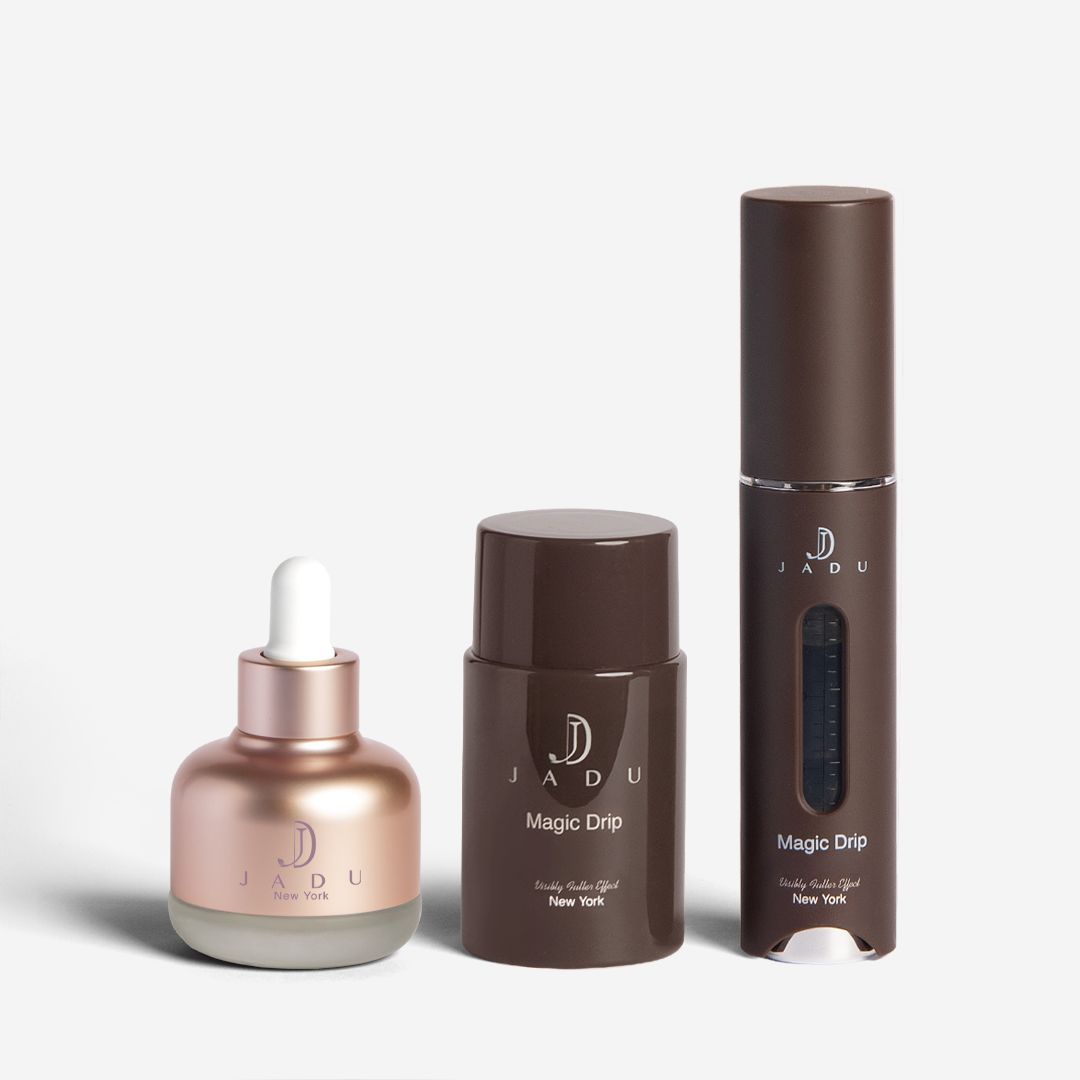
Split Ends Care
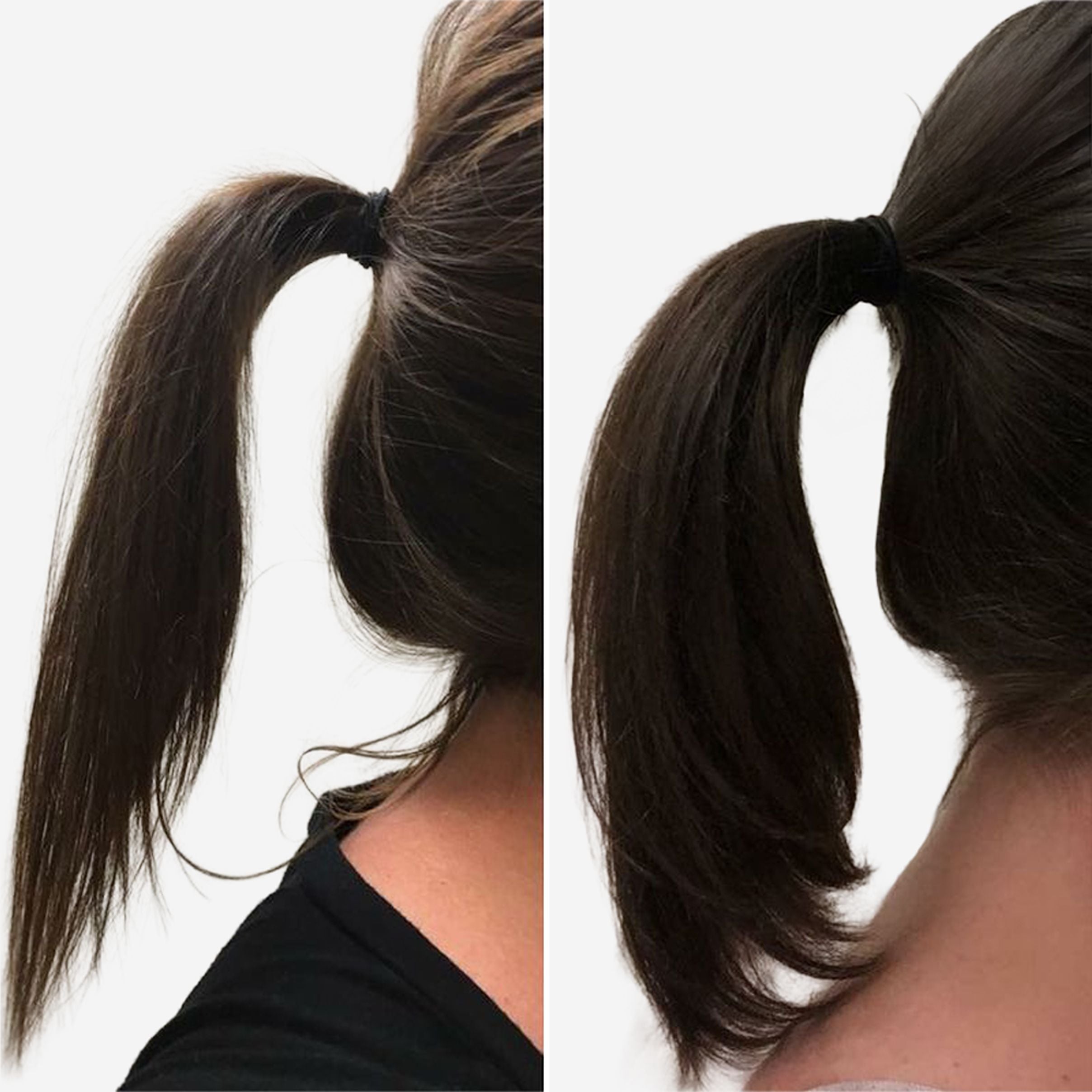
Our best-selling treatment runs to five ingredients: coconut, castor, rosemary, coffee and a family botanical blend, slow-infused in small batches in New York. No silicones, no synthetic fragrance, no dye. Made for dry, damaged, brittle ends.
Shop Split Ends Care →Shampoo & Conditioner
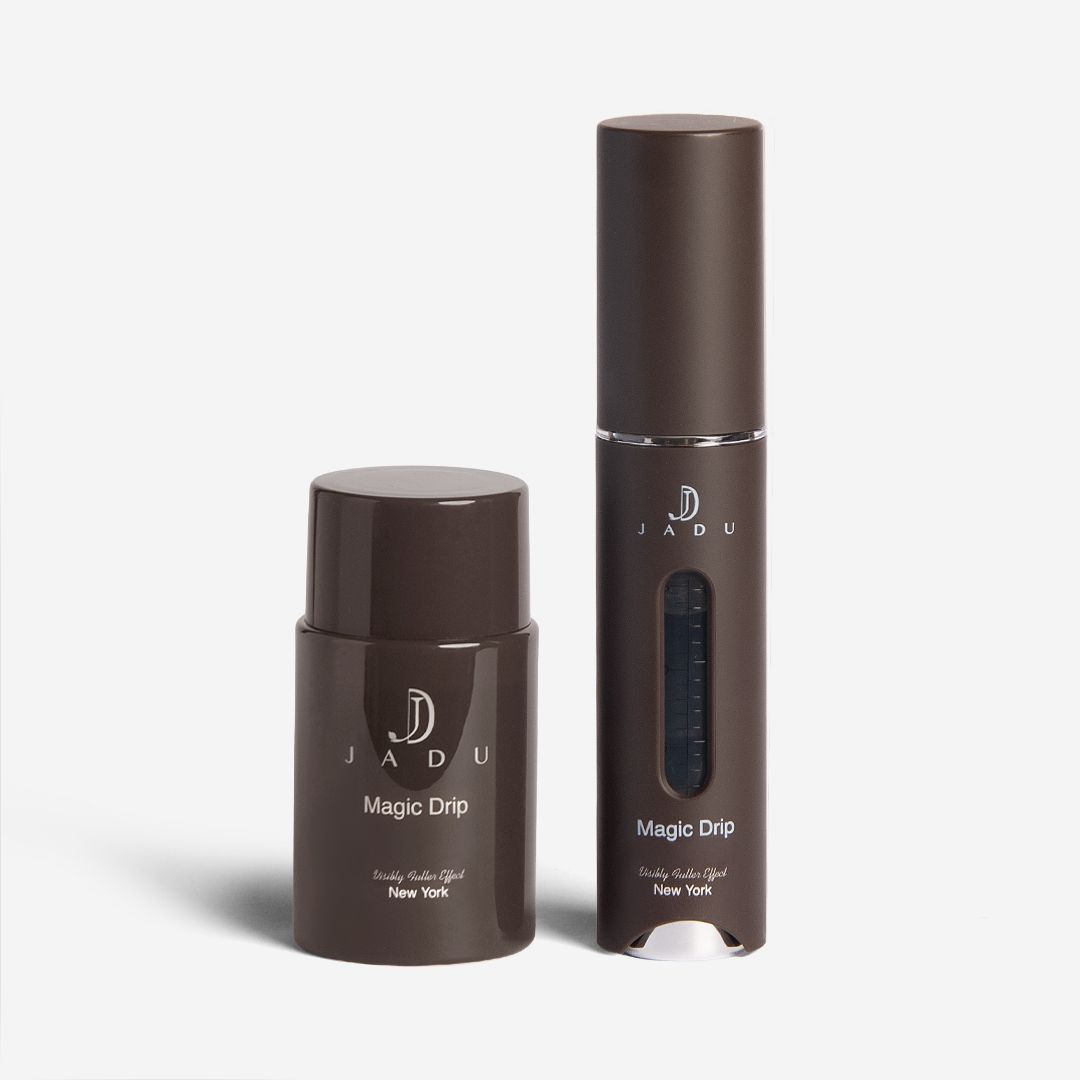
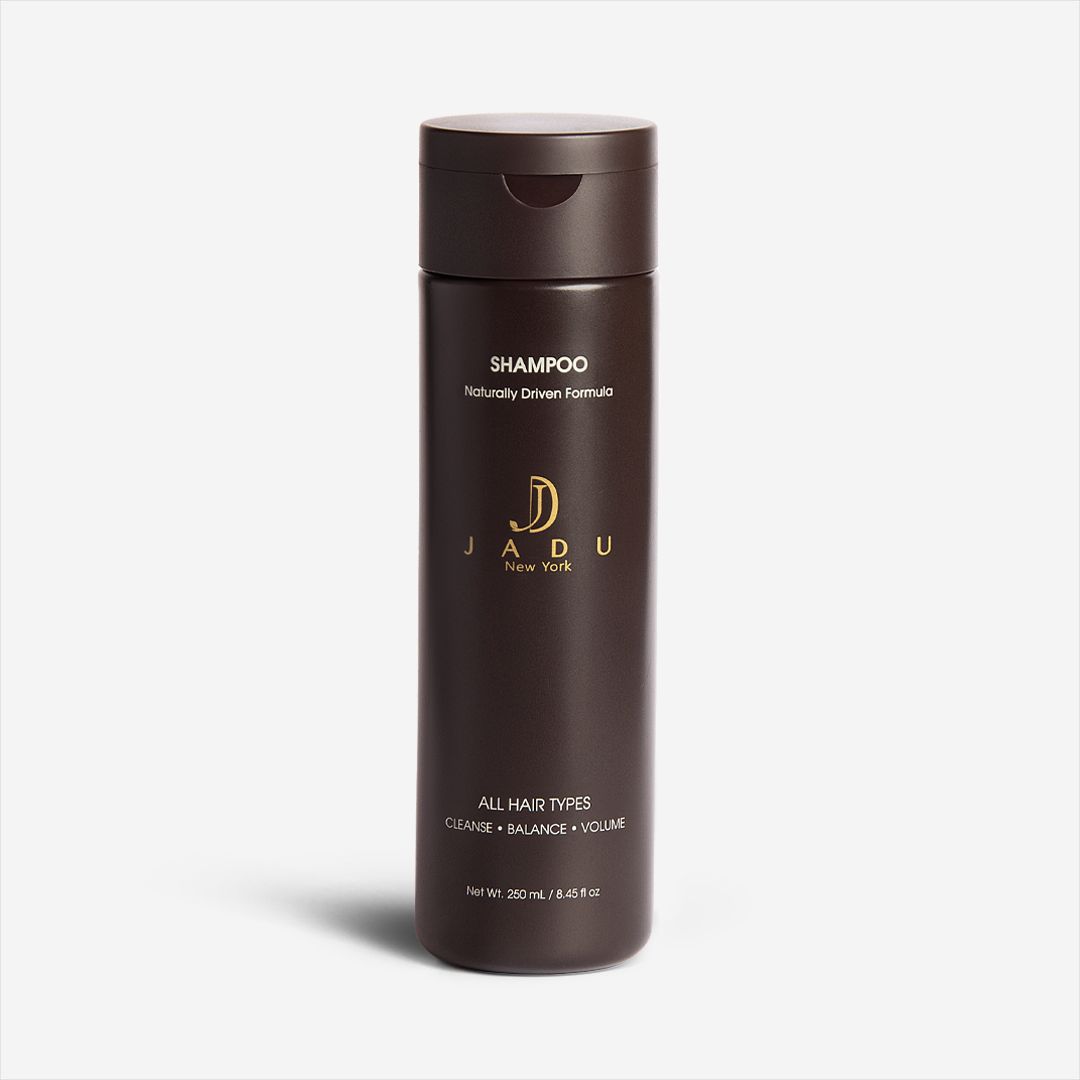
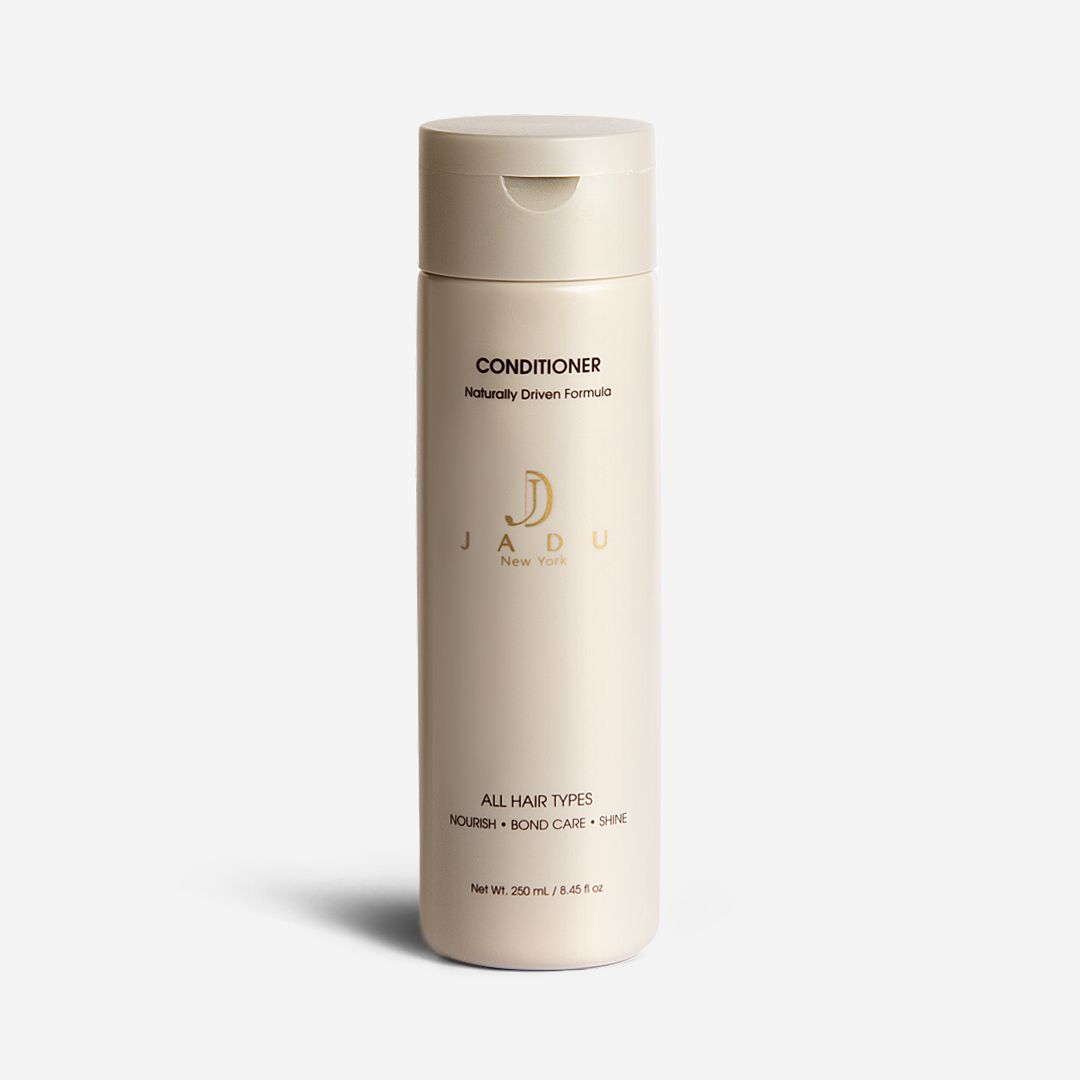
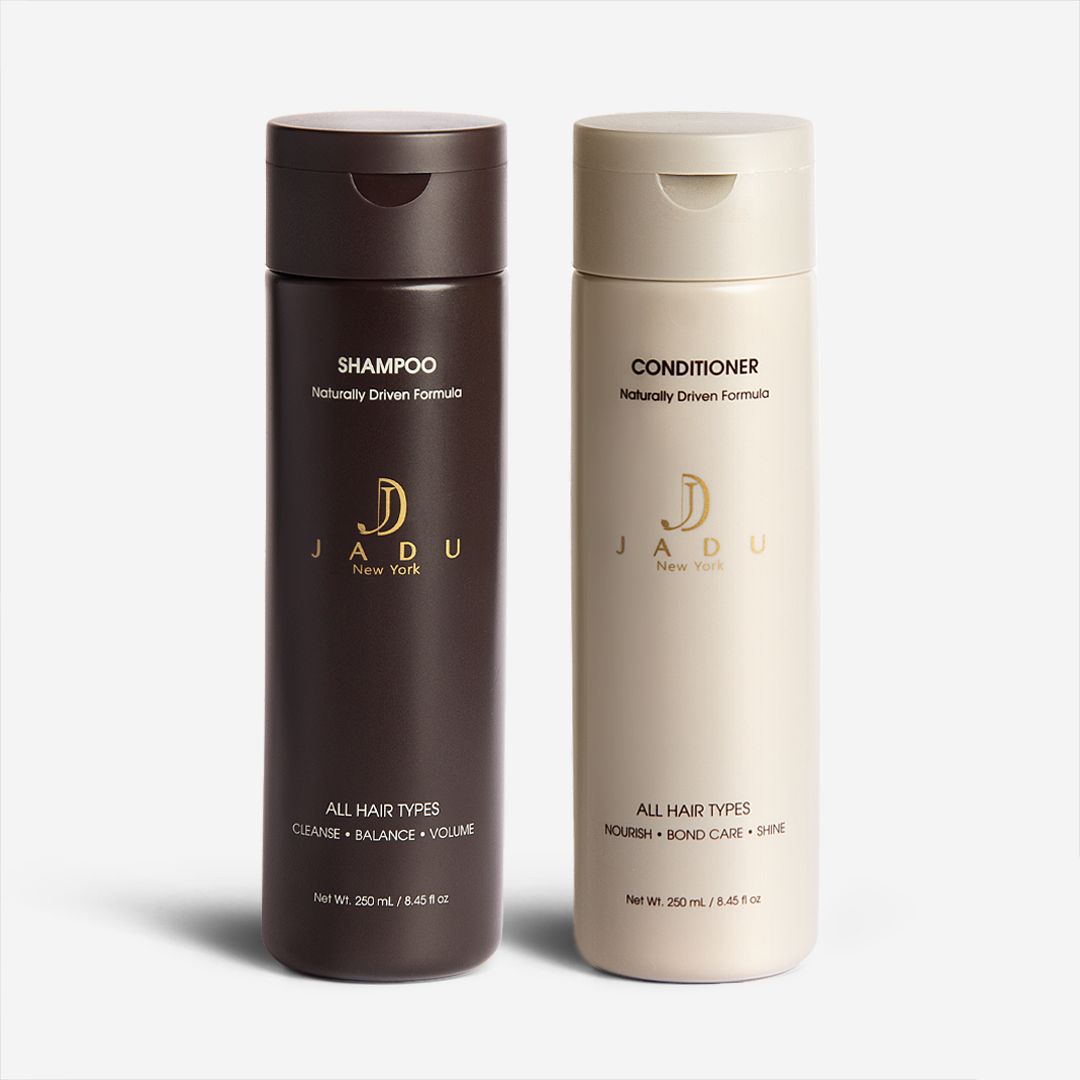
Cleanse without stripping, nourish without coating. Sulfate-free and silicone-free, made with food-grade botanicals, pregnancy and breastfeeding safe, and certified by PETA and Leaping Bunny.
Shop Shampoo & Conditioner →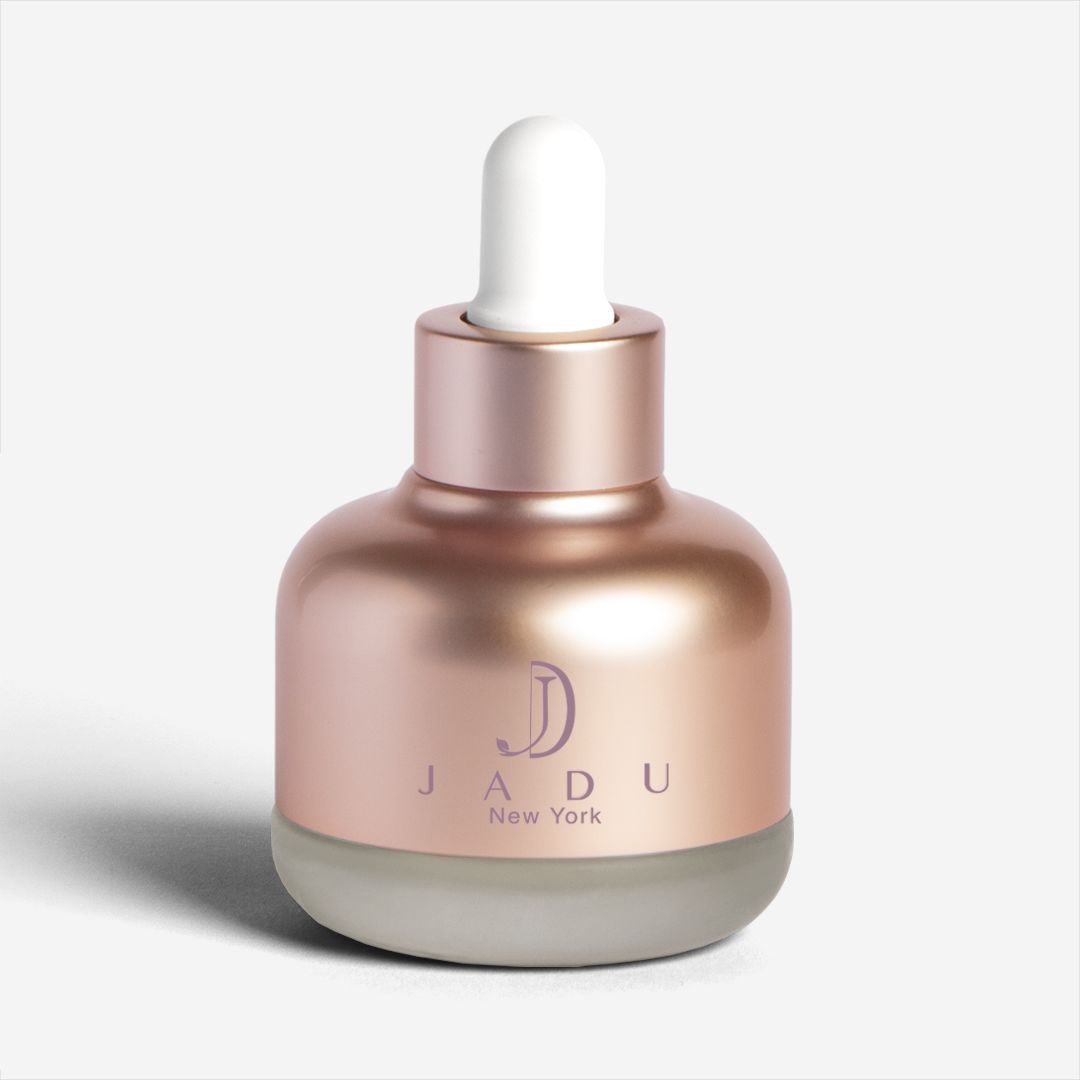

Comments