

Do’s and Don’ts for Curly Hair

Is It Frizz, or Curls? Curly Hair Do's and Don'ts for 3A, 3B and 3C
Most of us treat curly hair as one category: one shelf at the store, one set of rules, one routine borrowed from whoever has the best curls on our feed. But is that frizz really frizz? Often it's curls being cared for like straight hair, and a loose 3A curl and a tight 3C corkscrew need very different care.
No single product decides how your curls look. The pattern does: how tightly each strand coils, how you wash it, how you dry it, and what it rubs against at night. Read the pattern correctly and most of the frizz, knots and breakage start to make sense.
In The Doses You're Not Counting, we showed you how to read a label. This guide reads your strands instead: how 3A, 3B and 3C curls really differ, and the do's and don'ts that keep each one healthy.
Why Curly Hair Needs Different Rules
According to the American Academy of Dermatology, curly and tightly coiled hair is more prone to dryness and breakage than other hair types. Part of the reason is shape. The natural oil your scalp makes slides easily down a straight strand, but every bend in a curl slows it down, so the ends of curly hair are usually the driest part of your head.
Shape affects strength, too. Curly strands tend to be oval rather than round, tangle more easily and stretch further when pulled straight, all of which hair scientists link to breakage. A 2015 study in the British Journal of Dermatology found that everyday combing and styling leave tiny internal cracks that eventually snap the strand.
So the useful question isn't whether one product works on curls, but what your daily habits add up to. Curls rarely break from one bad day. They break from a routine.
3A vs 3B vs 3C: The Differences That Change Your Routine
The A-to-C system most people use was created by stylist Andre Walker in the 1990s. Within type 3, the letter tells you how tight the curl is, and that changes almost everything about what your hair needs:
| Curl type | What it looks like | Common struggle | Easy fix |
|---|---|---|---|
| 3A | Loose, shiny S-shaped curls about the width of sidewalk chalk | Gets weighed down; frizzes in humidity | Lightweight conditioning; keep heavy products off the roots |
| 3B | Springy ringlets about the width of a marker, with more volume | Frizz on top, dryness through the lengths | Detangle with conditioner in; seal the ends before washing |
| 3C | Tight, densely packed corkscrews, pencil- to straw-width | Shrinkage, knots and the driest ends | Longer pre-wash treatments; shampoo the scalp only |
| Mixed | Two or more patterns on one head, often looser on top and tighter at the nape | One product never works everywhere | Treat each section by its own pattern |
Treat the chart as a starting map, not a verdict. Critics note that it isn't a precise or scientific measure, and many heads carry more than one pattern. Let your hair's own behavior fill in the details, and if you're unsure how often your pattern needs washing, our personalized wash guide walks you through it.
How to Read Your Curls Without Overthinking It
Two habits do most of the work. First, look at your curls wet, when the pattern is easiest to see, and again once they've dried. Second, watch your ends: they're the oldest, driest part of every strand, and they decide whether your curls clump or frizz.
We started this conversation on Instagram:
The goal isn't a perfect type. It's healthier ends.
"This oil makes my curls look healthier than they have in a long time."— Clifton R., verified Jadu customer
We hear that from curly customers again and again, and the change usually starts at the ends. Split Ends Care runs to five ingredients, with no silicones to coat a curl and drag it flat.
Not sure if it's split ends or breakage? Here's how to tell the difference.

Wet, Heat and Air-Drying: What Really Changes a Curl
Curly hair is most vulnerable when it's wet. Water weakens the bonds that give a strand its strength, and researchers list friction from washing and towel drying among the physical causes of hair shaft damage. A rough towel or a brush can do more harm than any single product.
Heat is the other half. The same Annals of Dermatology study found that a hair dryer causes more surface damage than air-drying, yet hair left wet for a long time was damaged deeper inside the strand. A dryer held about 15 cm away and kept moving did less harm than either. For curls, that means diffusing on low and keeping it moving, not blasting on high or waiting all afternoon to dry.
Curly Hair Do's and Don'ts: 8 Rules for Type 3 Curls
You can't change your curl pattern, but can you stop working against it? Let's find out:
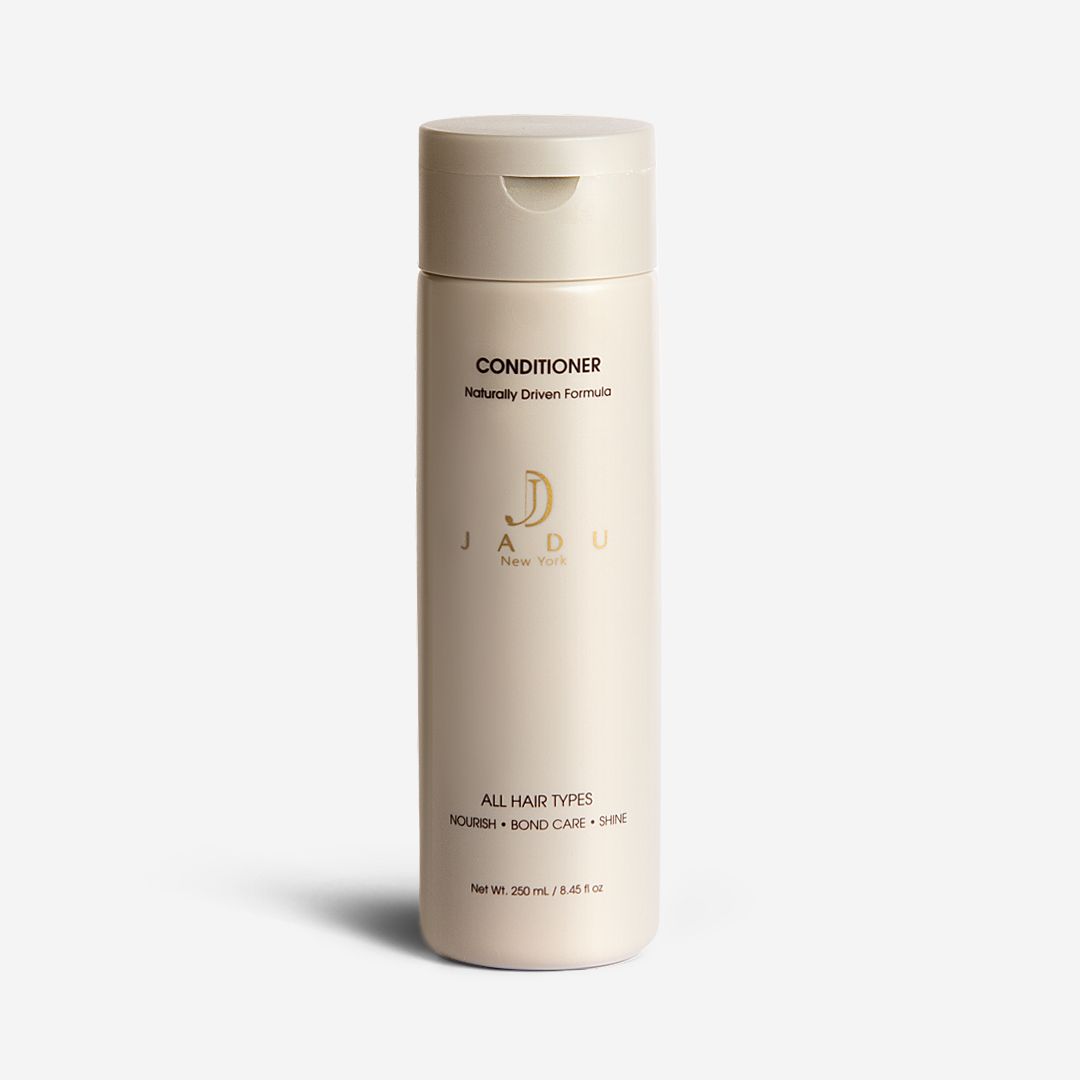
- Do detangle with conditioner in. Never brush dry curls. Work from the ends up with your fingers or a wide-tooth comb while Jadu Conditioner adds plant-based slip.
- Don't shampoo your lengths. Wash your scalp whenever it needs it; you can't "train" it to make less oil. Keep the shampoo at the roots and let the rinse clean your lengths, then give them conditioner and oil.
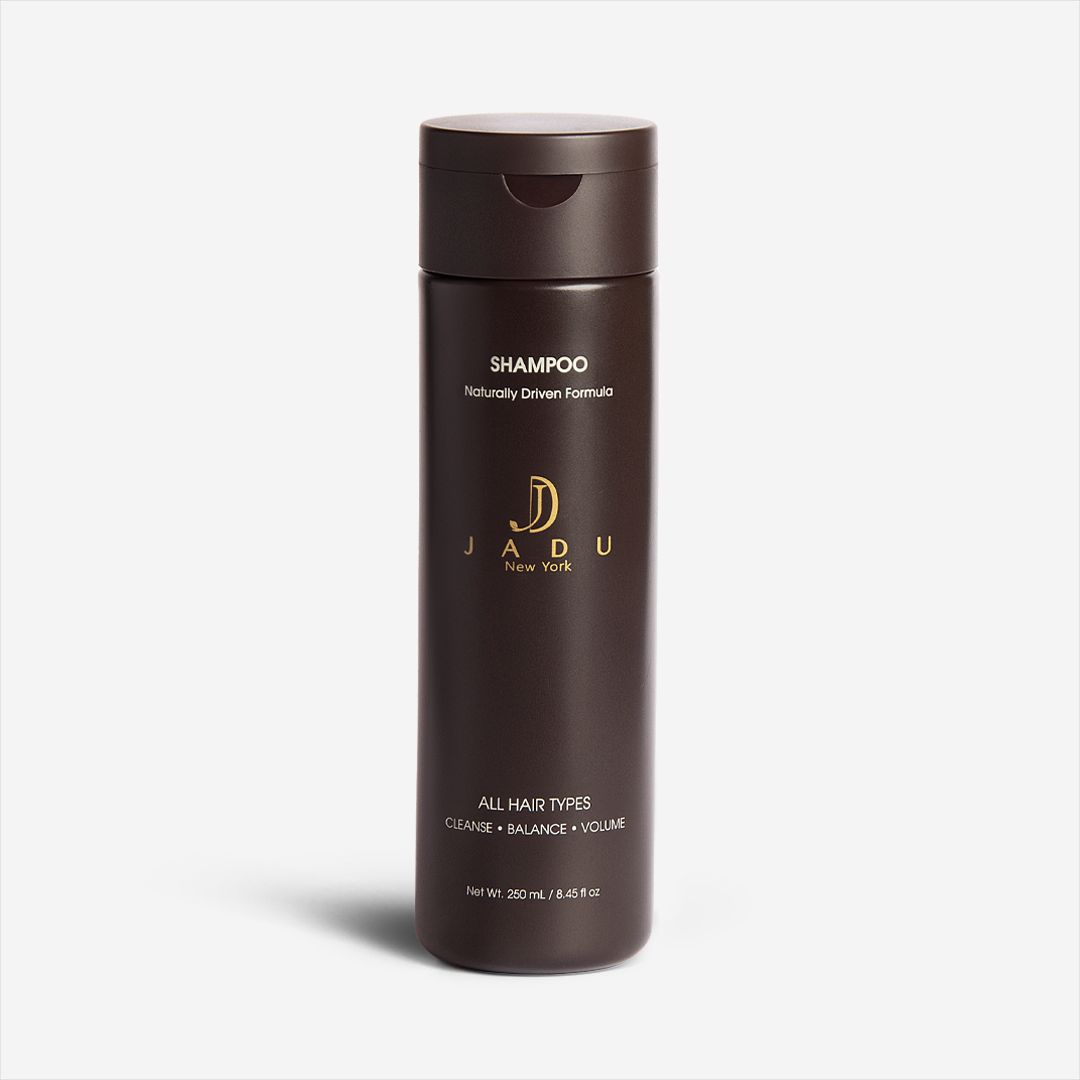
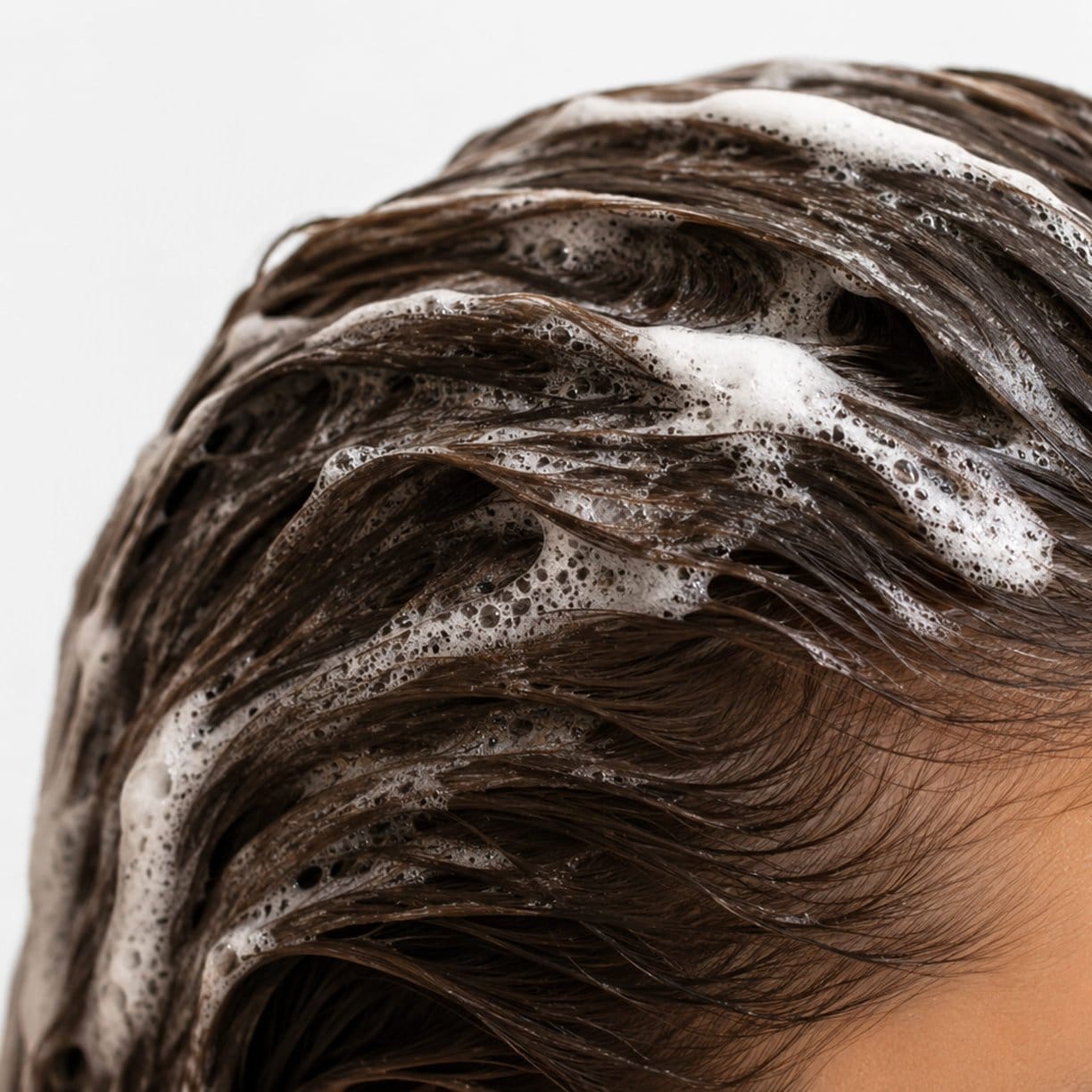
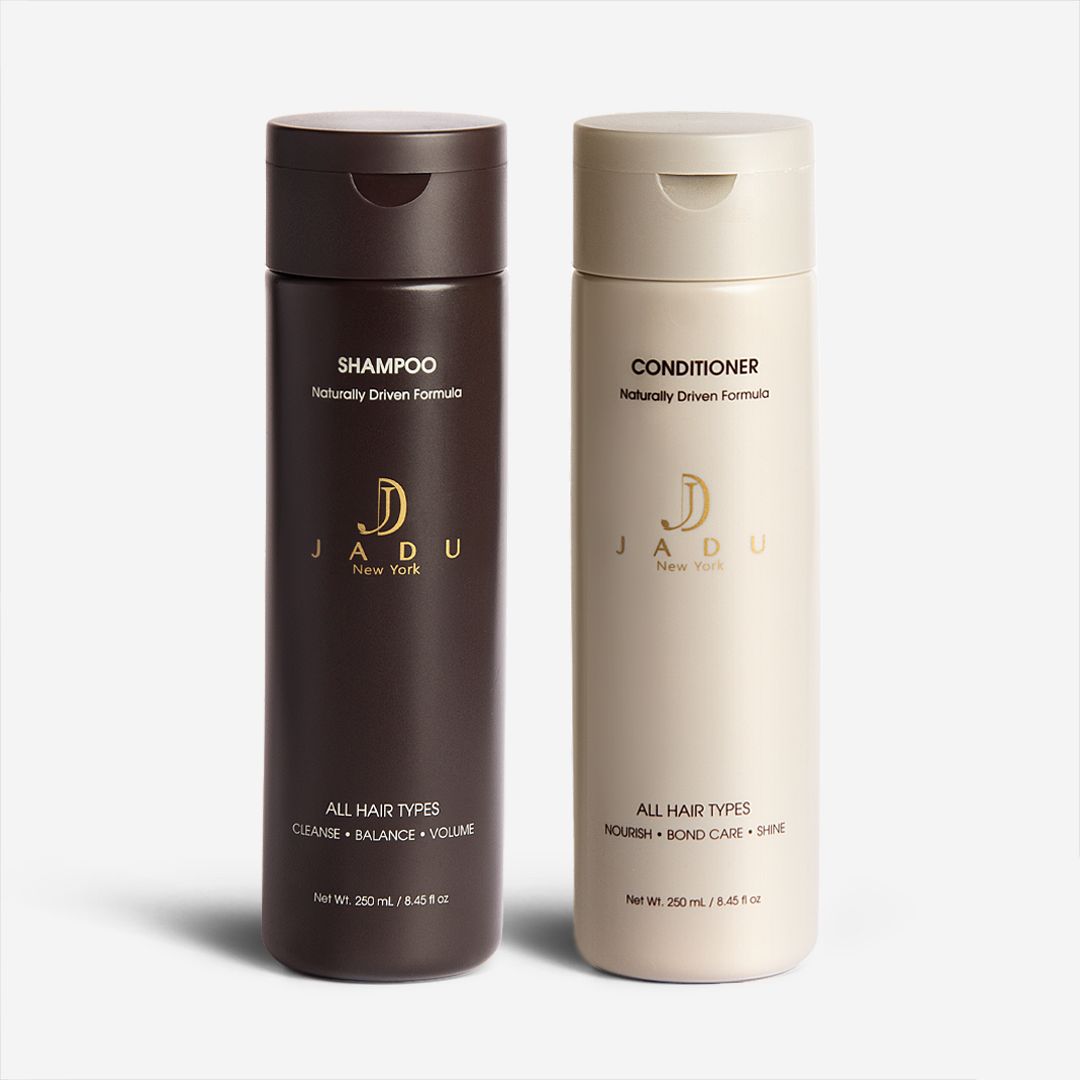
- Do cleanse without stripping. Jadu Shampoo uses sugar- and coconut-derived cleansers, with no sulfates and no silicones. Here's why that matters.
- Don't rub with a regular towel. Scrunch with a microfiber towel or an old cotton T-shirt. Rubbing roughs up the cuticle and breaks curl clumps apart.
- Do seal your ends before you wash. Smooth 10 to 15 drops of Split Ends Care from mid-lengths to ends and leave it for 60 minutes or overnight. On dry days, one or two drops calm frizz.
- Don't fry or soak your curls. Diffuse on low heat and keep the dryer moving, rather than blasting on high or leaving curls wet for hours.
- Do protect your pattern overnight. Cotton pillowcases rough up curls; a silk bonnet keeps them intact until morning. Here's why silk works.
- Don't copy someone else's curl type. A 3A routine leaves 3C hair thirsty, and a 3C routine flattens 3A hair. Match your products to your pattern.
Every Curl Counts
None of this is complicated. Conditioner in before the comb. A T-shirt instead of a towel. A bonnet instead of a cotton pillowcase. Each change is small, and that's the point: the same everyday habits that slowly wear curls down can just as slowly build them back up.
Start with the rule your hair breaks most often and give it three weeks. And with the heating about to come on, our winter guide to dry, dehydrated hair covers the extra moisture curls need.
That's the thinking Jadu was built on. Anna began making these formulas from her family's botanical recipes after watching her grandson react to conventional products: short ingredient lists, slow infusion, small batches, and nothing that coats a curl to fake softness. Your curls can tell the difference.
Find your curl routine in 60 seconds →
Frequently Asked Questions
Split Ends Care
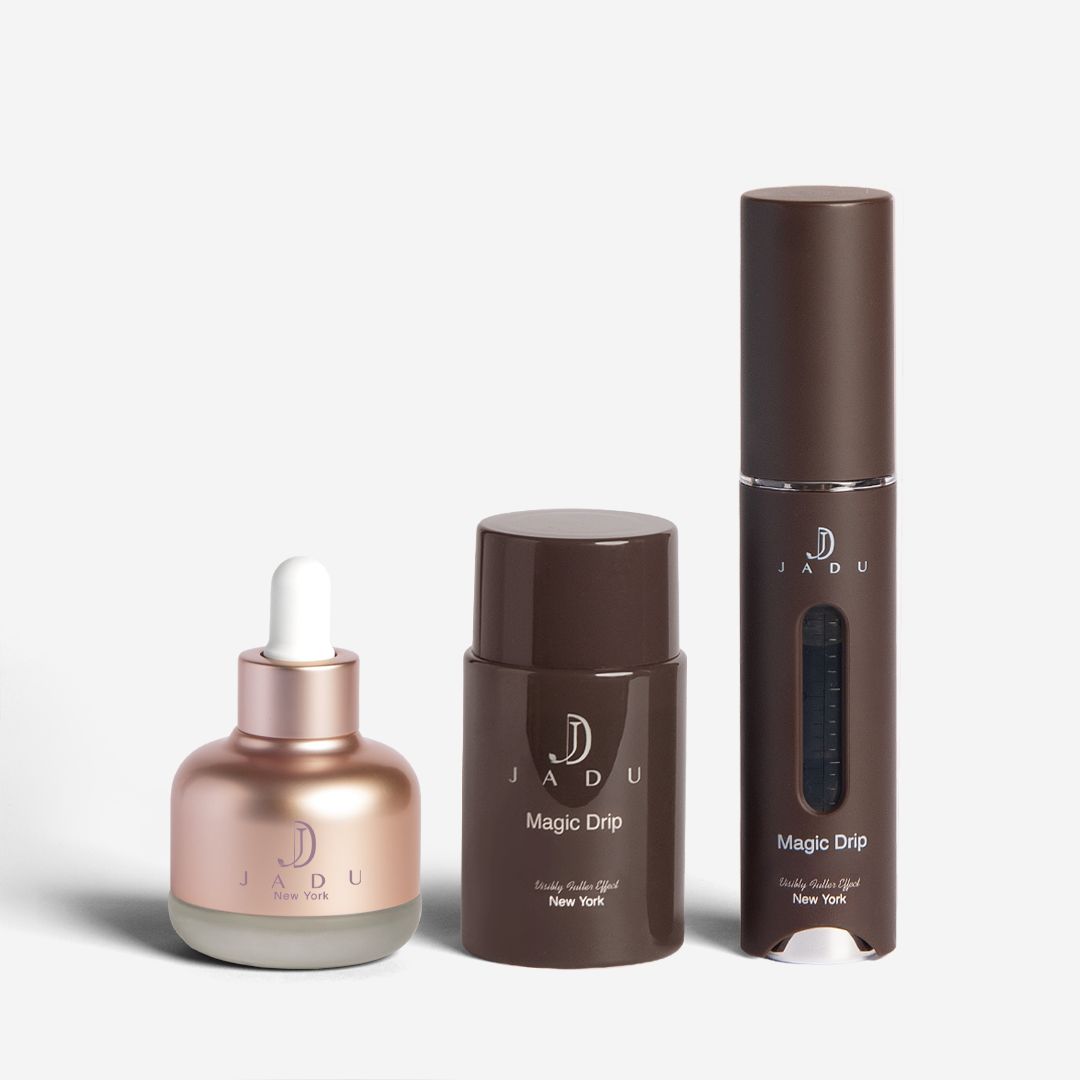
Our best-selling treatment runs to five ingredients: coconut, castor, rosemary, coffee and a family botanical blend, slow-infused in small batches in New York. No silicones, no synthetic fragrance, no dye. Made for the driest part of every curl.
Shop Split Ends Care →Shampoo & Conditioner
Cleanse without stripping, condition without coating. Sulfate-free and silicone-free, with real slip for detangling curly and textured hair. Pregnancy and breastfeeding safe, and certified by PETA and Leaping Bunny.
Shop Shampoo & Conditioner →Silk Bonnet & Scrunchie
Pure mulberry silk that keeps curls off rough cotton overnight, so your pattern and your moisture are still there in the morning.
Shop Silk Bonnet & Scrunchie →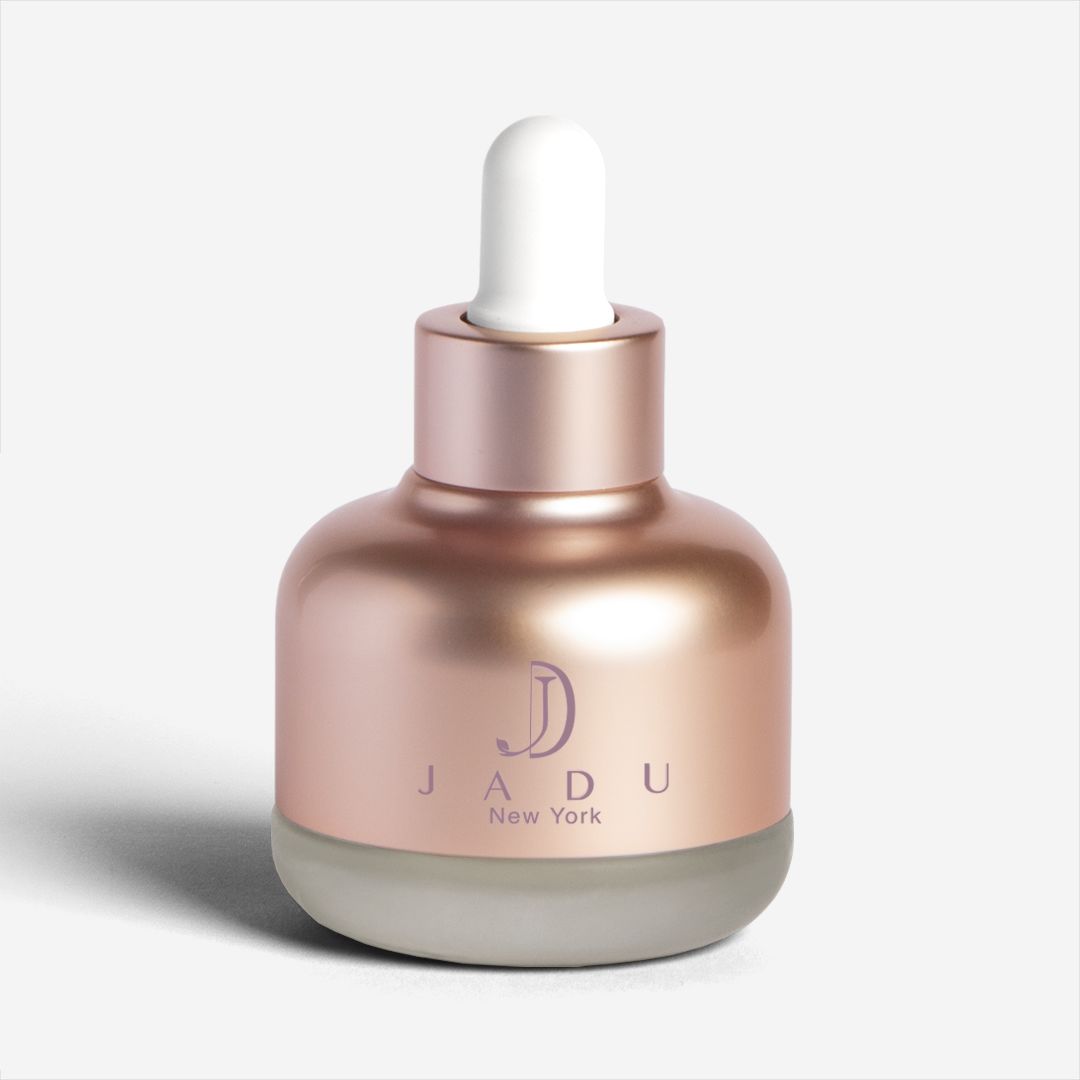

Comments