
Dr. Molly McBride on Menopause, Hormone Health, and Why Women Deserve Better Care

Jadu Beauty Podcast ·
From " OB-GYN Specialist " to Championing Women's Longevity and Wellness
Ever notice how some women move through their 40s and 50s steady and clear-headed, while others feel blindsided by a body that suddenly stops responding the way it used to? Dr. Molly McBride says the difference usually isn't willpower or luck. It's hormones, and whether anyone actually explained what was happening to them. She's a New York–based OB-GYN, board-certified in Obstetrics & Gynecology (FACOG), and the founder of Slán NYC, her Manhattan practice built around menopause and longevity medicine, hormone optimization, and healthy aging. With 28 years in the exam room, she's built her career on a simple frustration: women in perimenopause stop being heard, their symptoms waved off as stress or aging instead of diagnosed and treated.
"I call perimenopause the zone of chaos."— Dr. Molly McBride
In this episode of the Jadu Beauty Podcast, we sit down with Dr. Molly McBride, a New York–based obstetrician-gynecologist (OB-GYN), menopause and longevity specialist, and founder of Slán NYC. With more than 28 years of clinical experience and board certification in Obstetrics & Gynecology (FACOG), Dr. McBride has dedicated her career to helping women navigate perimenopause and menopause, hormone optimization, metabolic health, weight management, libido support, and healthy aging. Throughout the conversation, she shares how hormonal transitions affect every aspect of women's health, from the heart and brain to mental well-being and hair health. All while challenging outdated misconceptions surrounding menopause and hormone replacement therapy (HRT). Her story is about empowering women with knowledge, advocating for better healthcare, and embracing menopause as a new beginning rather than something to fear.
What We Cover in This Episode
The Zone of Chaos: Understanding Perimenopause
Perimenopause, Dr. McBride explains, is chaos with a biological explanation. Estrogen and progesterone don't decline in a straight line, they swing, often for years before a period ever actually stops. Those swings ripple out into sleep, mood, temperature regulation, and focus. No two women move through it the same way, which is exactly why so many spend months or years being told nothing is wrong. She breaks down the actual biology of this menopause shift in the episode. Sharing that her first job is diagnosis and her second is reminding patients that none of it is a personal failing.
Hormone Replacement Therapy and the Case for Early Intervention
Dr. McBride is blunt about the myths that keep women away from hormone therapy, and blunter about the cost of waiting. "If you start estrogen therapy in perimenopause, you decrease your cardiovascular risk by 60%". It's a stat she returns to often, since heart disease remains the leading cause of death among women. The same hormonal decline driving sleep and mood symptoms is also quietly shaping bone density, brain health, and cardiovascular risk in the background. Treating menopause early, in her framing, isn't cosmetic. It's preventive medicine.
What Hormones Do to Hair, Stress, and the Rest of the Body
Hormonal change shows up in places patients don't expect, including their hair. Thinning, extra shedding, a scalp that suddenly behaves differently. Dr. McBride treats this as one connected system rather than isolated complaints, which tracks with a couple of related threads we've covered on our own blog: how stress shows up in your hair It covers the cortisol side of the "zone of chaos," and the connection between gut health and hair growth picks up the metabolic thread she raises around weight and hormone balance. If skin is where you want to go next, our conversation with dermatologist Dr. Roya Nazarian on melasma, eczema, and rosacea covers a lot of the same "your body reflects what's happening inside" territory from a different angle.
Self-Advocacy and Menopause as a New Beginning
The conversation closes on something less clinical and more personal. Dr. McBride wants every woman walking into an appointment to expect to be listened to, not managed. "Women deserve help," she says. "They don't have to live their life this way." Her closing message is the one she keeps coming back to: this stage of life is something to move through with support, not something to white-knuckle in silence.
"Menopause is not shameful. It's a new beginning."— Dr. Molly McBride
Related to This Episode
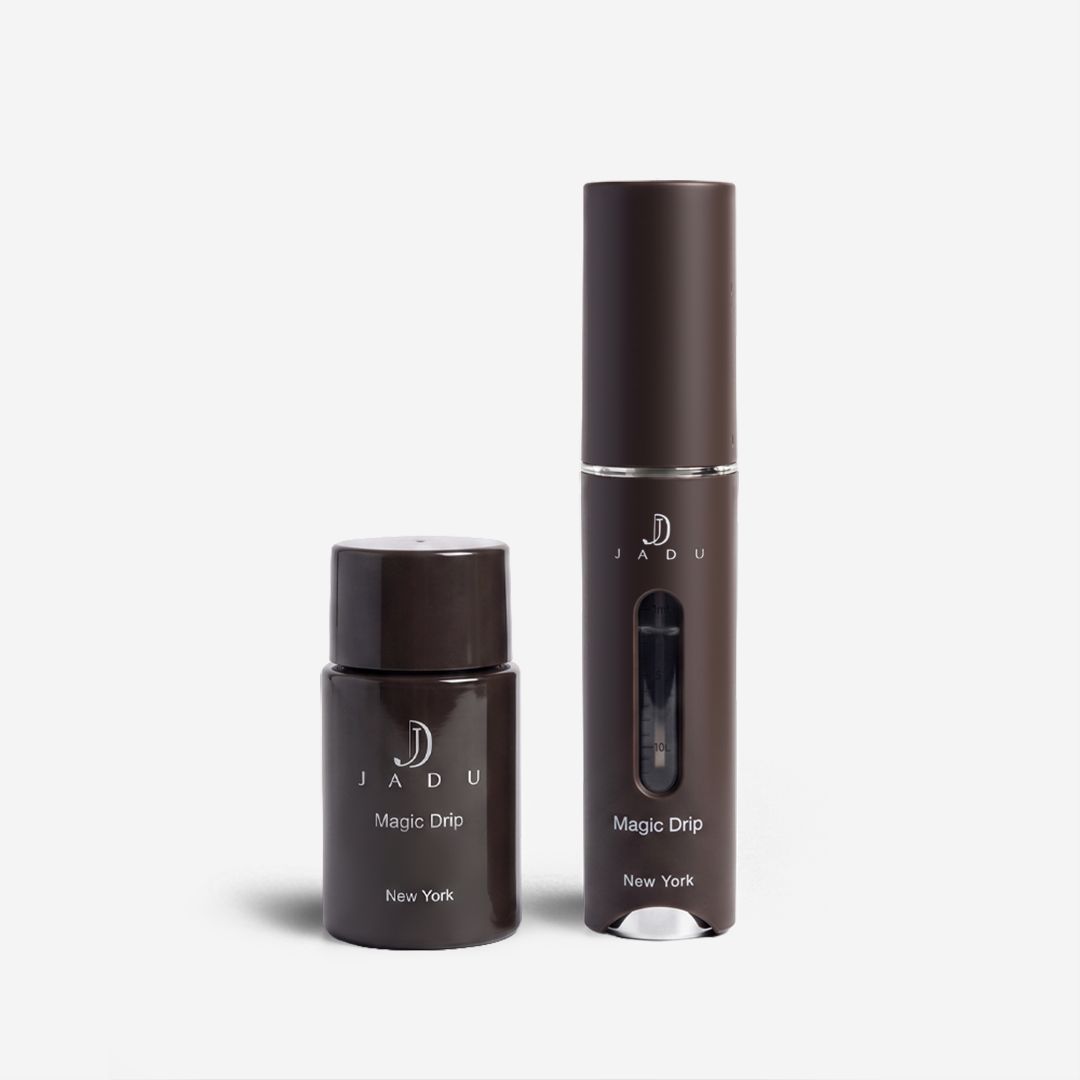
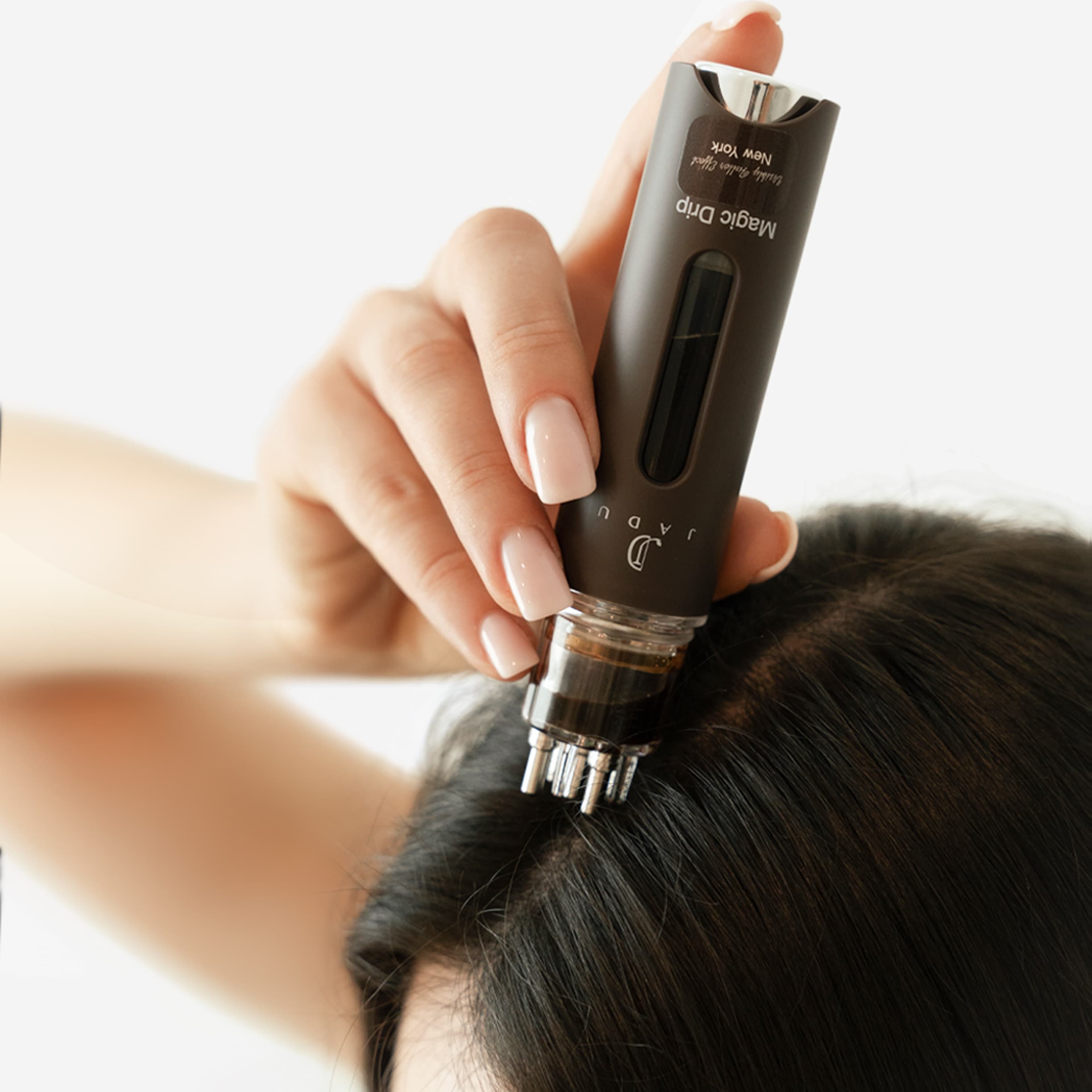
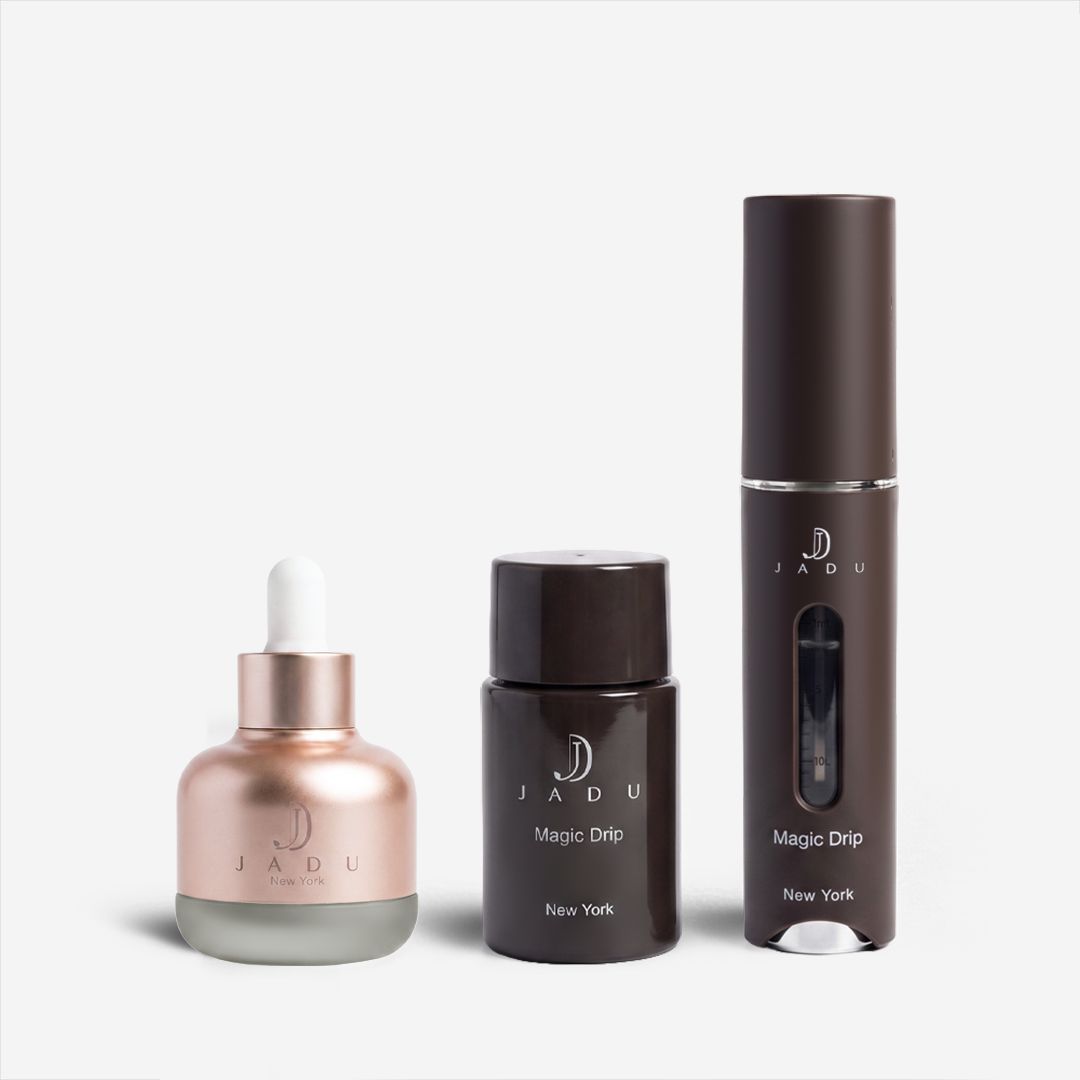
Magic Drip
Daily scalp treatment built for exactly the kind of hormonal thinning Dr. McBride describes — lightweight and water-based, so it works on styled hair too.
Shop Magic Drip →Jadu Heal
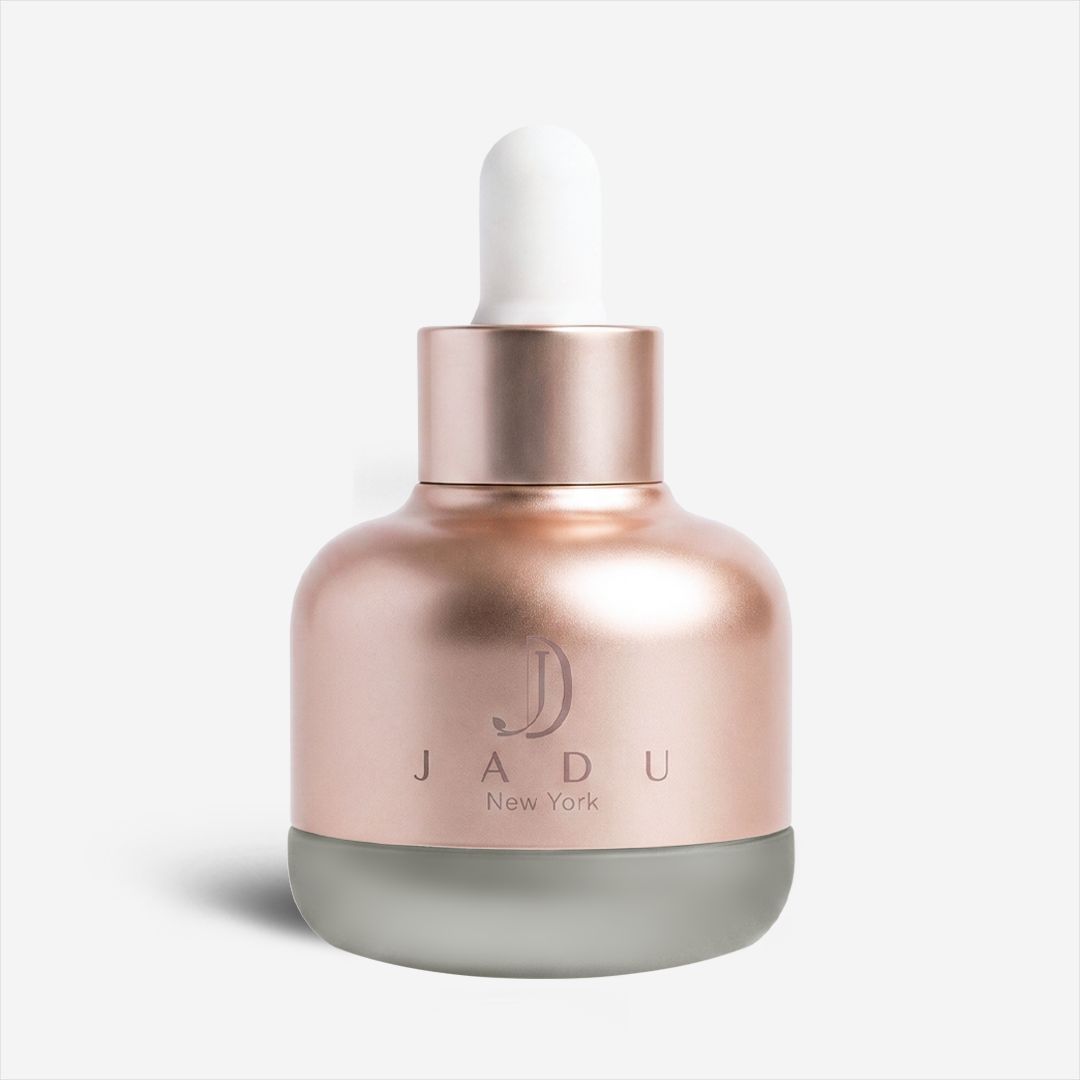
Pre-wash scalp oil for the dryness and irritation that so often shows up alongside hormonal change. Apply 30–60 minutes before shampooing.
Shop Jadu Heal →Listen on
Join the Conversation
What part of Dr. McBride's perspective changed the way you think about menopause and healthy aging? How have hormonal changes affected your own health and well-being? Email us at Support@JaduBeauty.com. You could be featured as a future guest in our Manhattan office or join us virtually.
Support@JaduBeauty.com