

Why Your Hair Grows Slower in Winter (& What to Do About It)
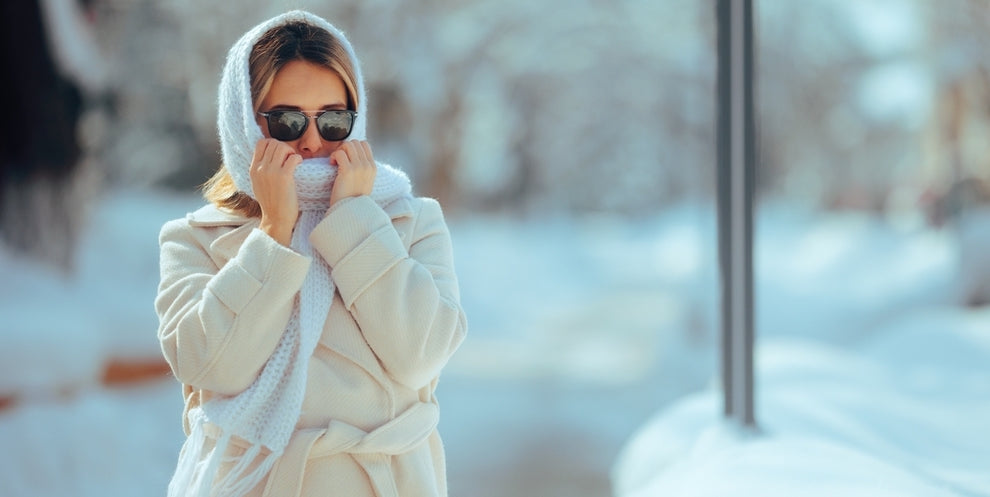
Winter has a way of changing things. Skin feels tighter. Hair takes longer to dry. Growth feels slower, even when your routine hasn’t changed. While it’s easy to blame the cold air alone, what’s really happening is more layered than that. Winter affects the scalp first and hair growth follows.
Your scalp is living skin. It responds to temperature, circulation, hydration levels, sunlight exposure, and even seasonal shifts in your body’s biology. When those factors change, so does the environment where hair growth begins. That’s why winter often comes with dryness, increased shedding, and the frustrating feeling that hair simply isn’t growing the way it used to.
Understanding what winter does to the scalp helps explain why hair behaves differently this time of year and what actually helps.
Why the Scalp Plays Such a Critical Role in Hair Growth
Hair growth starts below the surface. Each strand is formed inside a follicle embedded in the scalp, where cells divide rapidly during the growth phase of the hair cycle (anagen). For hair to stay in that growth phase, follicles rely on a stable, well-nourished scalp environment.
Research published in the International Journal of Trichology shows that scalp condition directly impacts hair growth and retention. Inflammatory or compromised scalp conditions are associated with disrupted hair cycling and reduced hair density over time.
In other words, when the scalp is stressed, hair growth tends to slow down regardless of what you apply to the ends.
How Winter Changes the Scalp Environment
1. Cold Air and Indoor Heat Increase Scalp Dryness
Winter air holds less moisture, and indoor heating further dehydrates the skin. At the same time, cold temperatures can suppress sebaceous gland activity, meaning the scalp produces less natural oil. This combination often leads to a dry winter scalp, characterized by tightness, flaking, and sensitivity.
When the scalp barrier is compromised:
-
follicles lose protection
-
irritation increases
-
hair may grow slower or appear thinner
Hydration becomes essential, but winter scalp care needs to be lightweight. Heavy oils can weigh down roots or clog follicles, while insufficient hydration leaves the scalp vulnerable.
2. Reduced Sunlight Affects Vitamin D Levels
Vitamin D plays a role in regulating the hair follicle cycle, and vitamin D receptors are involved in initiating the anagen (growth) phase. During winter months, reduced sunlight exposure can lead to lower Vitamin D levels, which has been associated with hair disorders and slower follicle activity.
A clinical review in the Indian Journal of Dermatology discusses the role of vitamin D in hair follicle biology and hair growth disorders.
This doesn’t mean sunlight alone determines hair growth, but seasonal drops in Vitamin D may subtly affect how active follicles remain during winter.
3. Cold Weather Reduces Circulation to the Scalp
In colder temperatures, the body prioritizes core warmth by reducing blood flow to the skin’s surface including the scalp. Reduced circulation means fewer nutrients and less oxygen reach the follicles, which can slow visible hair growth.
A study examining scalp massage found that improving scalp circulation was associated with increased hair thickness over time, reinforcing the importance of blood flow for follicle function.
Winter doesn’t stop hair growth entirely, but it can make follicles less responsive and growth less noticeable.
The Scalp Microbiome and Seasonal Stress
The scalp hosts a complex microbiome that helps regulate oil balance, inflammation, and barrier integrity. Seasonal shifts, especially dryness and frequent washing, can disrupt this balance, leading to irritation or flaking that further stresses follicles.
A study comparing healthy scalps with dandruff-affected scalps found significant differences in microbial composition, highlighting how changes in scalp environment influence overall scalp health.
A disrupted microbiome doesn’t directly stop hair growth, it creates conditions that make healthy growth harder to sustain.
Common Scalp & Hair Issues That Show Up in Winter
During colder months, it’s common to experience:
-
Dry, tight scalp from cold air and indoor heating
-
Flaking or itchiness due to a weakened scalp barrier
-
Slower or less noticeable hair growth as circulation decreases
-
Increased shedding as more hairs shift into the resting phase
-
Dull, flat roots from dehydration and reduced oil production
-
Breakage at the ends from friction, scarves, and dry air
These issues often show up together, which is why winter hair concerns can feel frustratingly hard to pinpoint.
Supporting Your Scalp Through Winter
Winter hair care doesn’t require more steps, it requires smarter ones.
1. Hydrate the Scalp Without Heaviness
In colder months, the scalp benefits from hydration that doesn’t coat follicles or weigh down roots. This is where a water-based scalp elixir is especially effective.
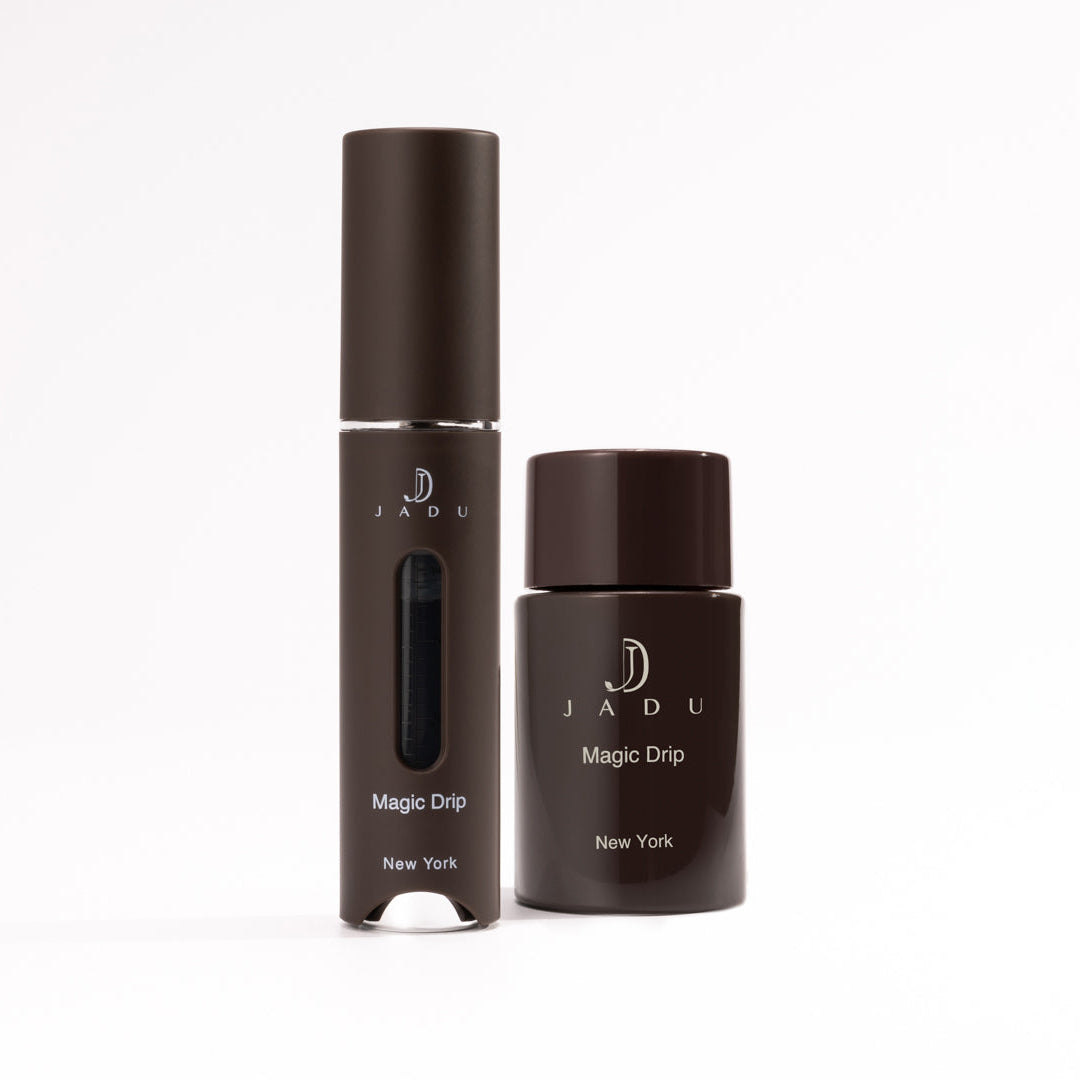
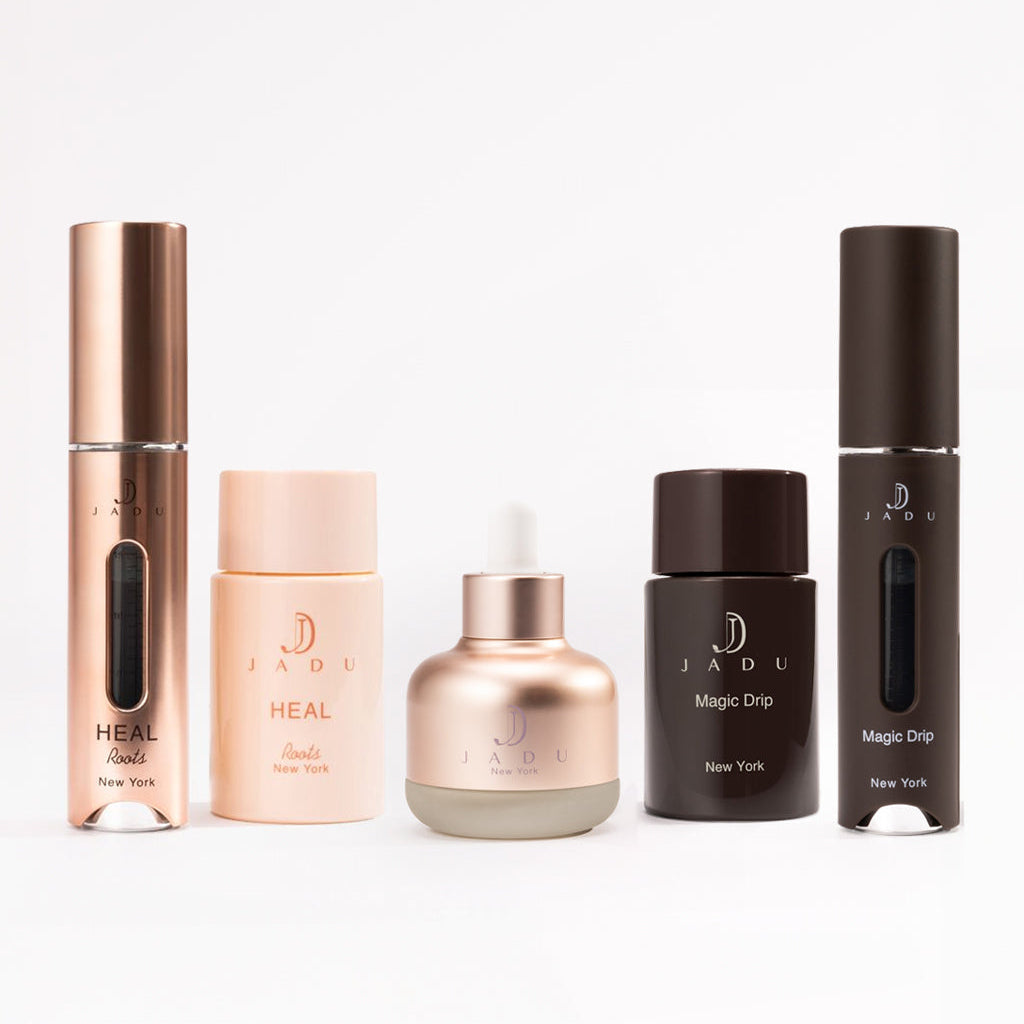
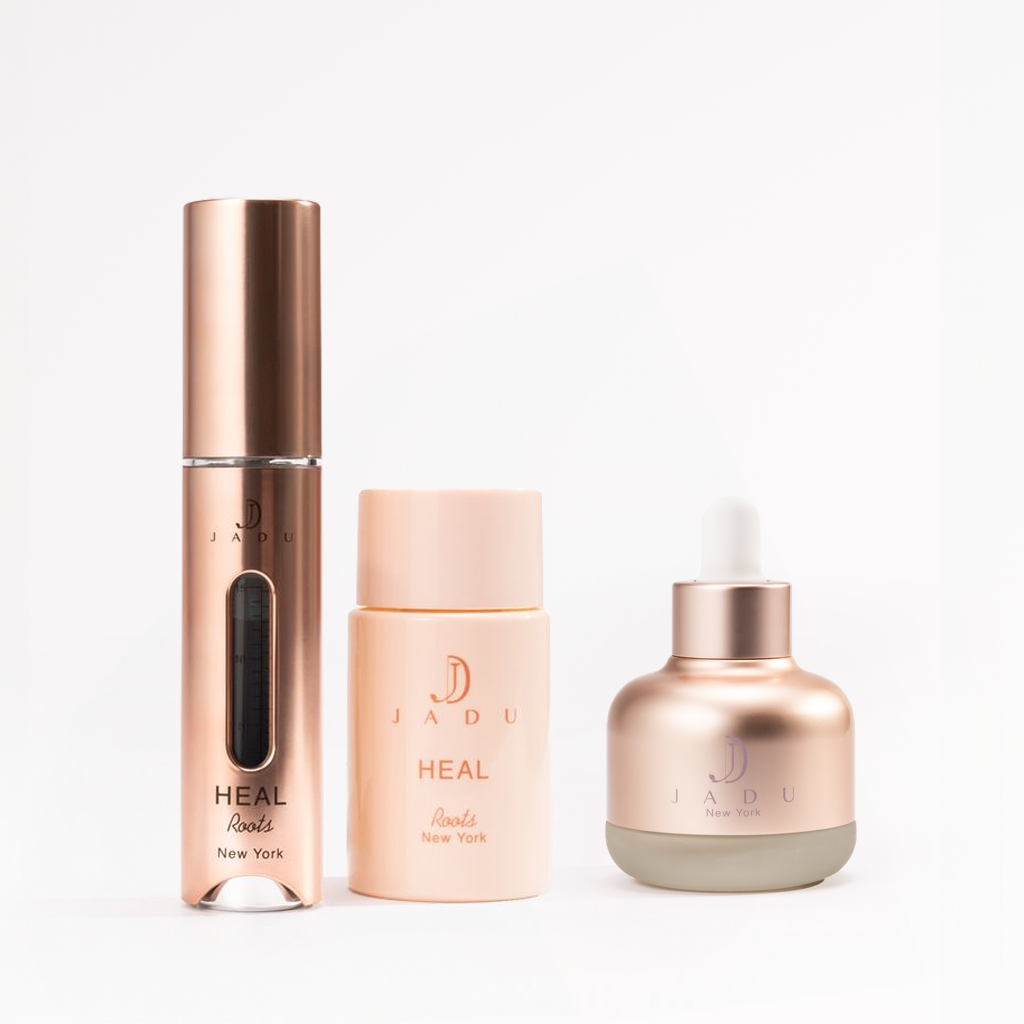
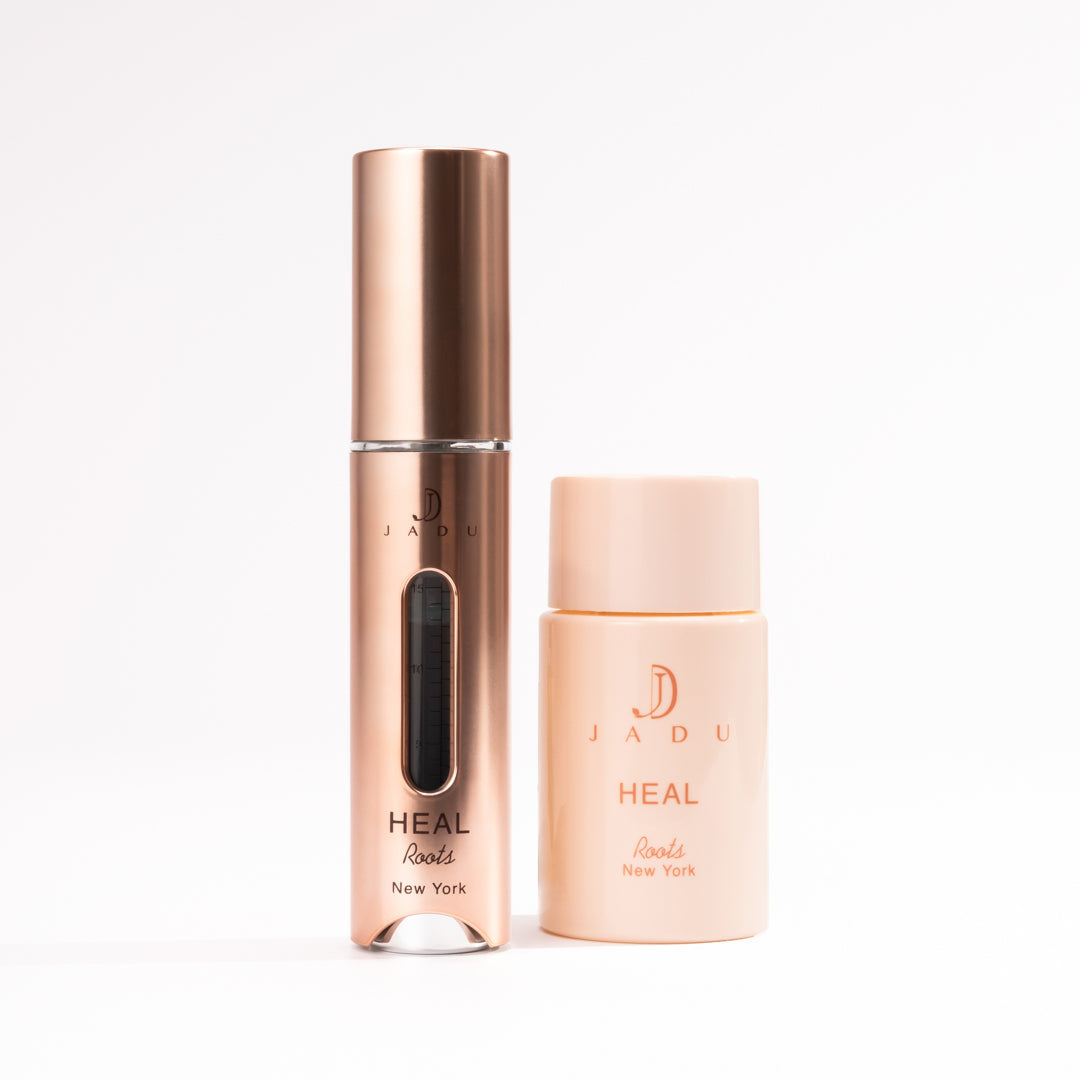
Jadu Beauty's Magic Drip is a water-based scalp elixir designed to nourish the scalp and support fuller-looking hair. Because it’s lightweight and non-oily, it delivers hydration directly to the scalp without buildup, making it comfortable for regular use even on fine or sensitive hair. In winter, this kind of hydration helps support the scalp barrier when natural moisture levels drop.
2. Protect the Lengths to Preserve Visible Growth
Even when growth continues at the scalp, winter breakage can make hair look like it isn’t growing. Cold air, scarves, coats, and dry indoor environments increase friction and brittleness, especially at the ends.
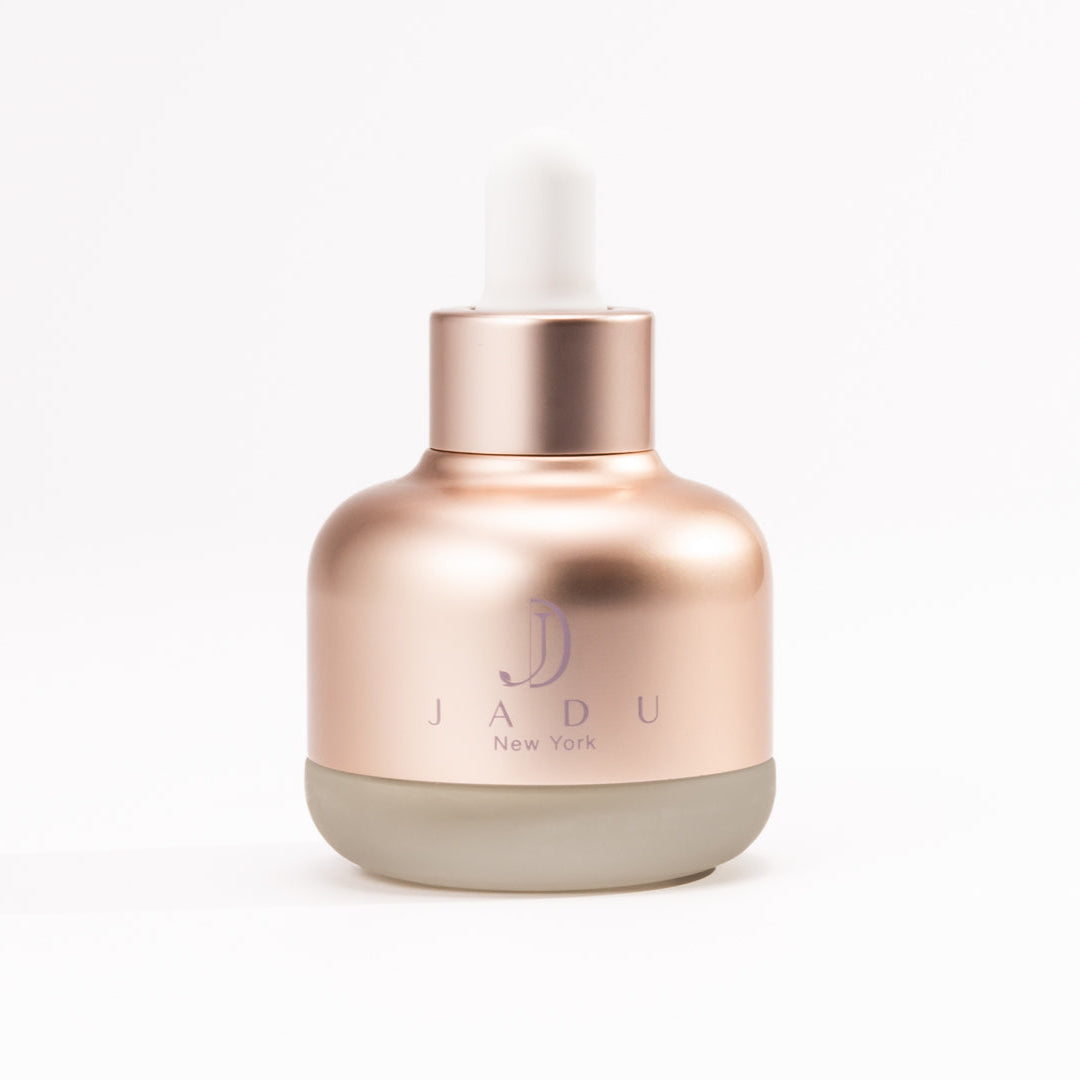
Jadu Beauty Split Ends Care Oil is a nourishing hydration oil designed for the mid-lengths and ends. It helps reduce breakage and enhance shine, supporting length retention so the growth happening at the scalp actually shows over time.
Healthy hair growth depends on both ends of the strand: supported roots and protected lengths.
3. Support Circulation Gently
You don’t need aggressive treatments. Simple habits such as:
-
gentle scalp massage
-
avoiding very hot water
-
minimizing tight hairstyles
can help maintain circulation and follicle comfort during colder months.

Why Clean Ingredients Matter More in Winter
Winter already places stress on the scalp. Ingredient quality becomes especially important during this season. Harsh detergents, heavy synthetic fragrances, and unnecessary preservatives can worsen dryness and irritation when the scalp barrier is already compromised.
Jadu’s formulas are formulated without parabens and other harsh ingredients that don’t belong in daily-use products, particularly during sensitive, low-humidity months.
How Jadu Supports Your Hair Through Winter
Jadu was designed with seasonal stress in mind, especially the kind that affects the scalp first.
-
Magic Drip provides lightweight, water-based hydration to the scalp, helping nourish roots and support fuller-looking hair without oiliness or buildup. It’s ideal for winter when the scalp needs moisture but can’t tolerate heavy products.
-
Split Ends Care Oil protects the mid-lengths and ends with a nourishing hydration oil that helps reduce breakage and enhance shine, so the growth happening at the scalp doesn’t get lost to seasonal damage.
-
Clean, scalp-friendly ingredients mean your scalp isn’t fighting harsh detergents or unnecessary preservatives at a time when it’s already more sensitive.
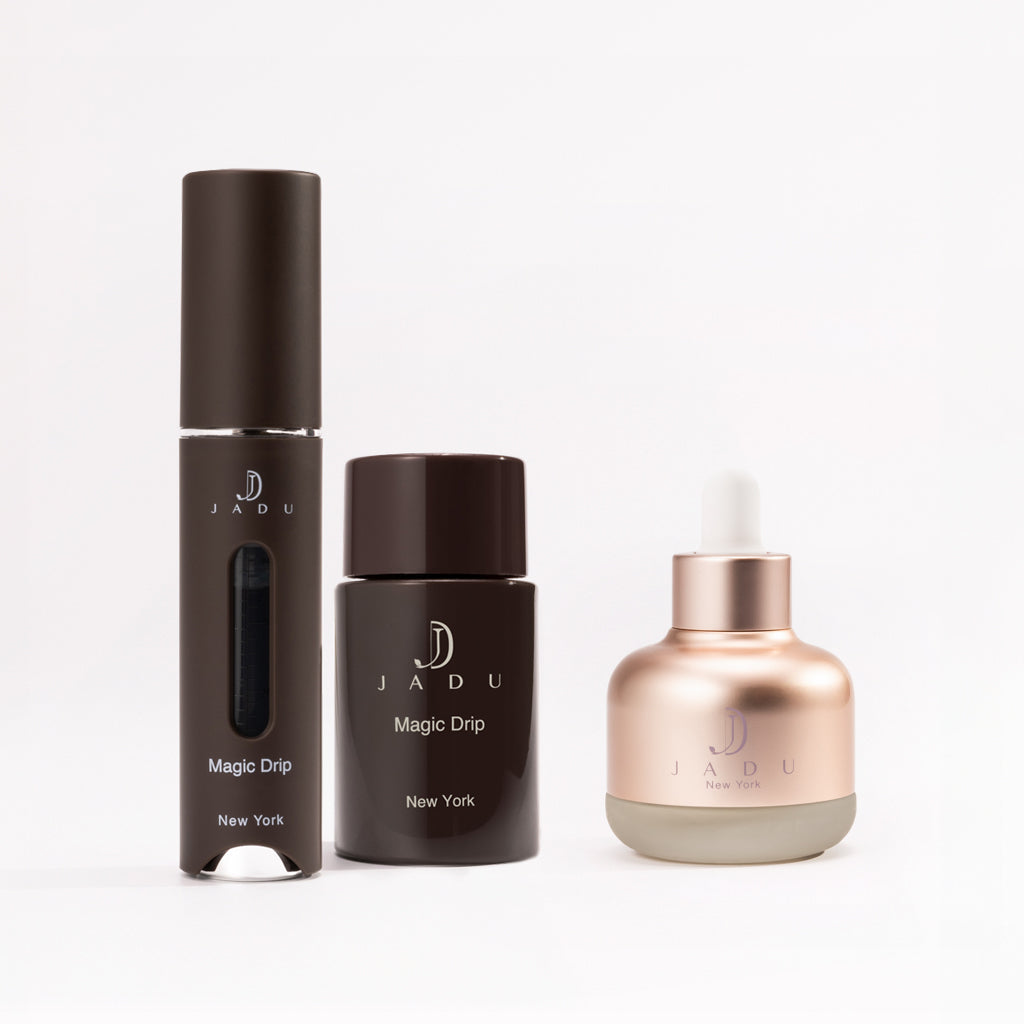
Together, (aka Grow & Glow Bundle) , these products support both sides of winter hair care: a nourished scalp and protected lengths.

Winter Is Not a Setback In Your Haircare
If your hair feels slower in winter, it isn’t a failure of your routine. It’s a biological response to changes in temperature, sunlight, hydration, and circulation.
By supporting the scalp with lightweight hydration, protecting the lengths from breakage, and choosing clean, scalp-friendly products, you create an environment where hair can remain resilient, even when growth feels less obvious.
Winter may slow things down, but with the right care, it doesn’t have to stall your hair’s progress.
Comments