

Why Are Parabens Bad for Your Hair?
Parabens are one of those ingredients that keep coming back into the conversation. You think you’re done with them, and suddenly they show up again in your shampoo, hiding behind names like methylparaben, ethylparaben, propylparaben, and butylparaben.
For years, parabens were the quiet workhorses of beauty products - cheap, effective preservatives that kept formulas from growing mold. But as research evolved, so did the questions. Are parabens bad for your hair? Do they damage the scalp? Are parabens harmful to hair? Do they cause scalp damage? Do they have an impact on your hormones? Above all, why do so many companies, including Jadu, refuse to employ them at all?
For anyone who is concerned about their hair, scalp, or endocrine health, this guide explains what parabens actually do, what the science says (the real science, not fear-mongering), and why avoiding them is a wise choice.
What Are Parabens, Really?
Parabens are synthetic preservatives used in personal care products to prevent bacteria and fungi growth. They became popular in the 1950s and have shown up in everything from shampoo to lotions to makeup.
From a manufacturer’s perspective, they’re perfect. From a hair-health perspective… not so much.
Parabens offer no benefit to your hair, scalp, or hair growth cycle. They don’t moisturize, strengthen, repair, or protect. Their only job is to extend product shelf life. Every study agrees on that.
But here’s where things get interesting.
What Research Actually Says About Parabens and Hair Health
First, the obvious: no medical or scientific study has ever shown that parabens help the hair. There is not a single piece of literature suggesting that parabens improve hair growth, strengthen hair strands, or benefit the scalp.
However, there are studies suggesting they may do the opposite - especially when it comes to the scalp environment and hormonal pathways tied to follicle health.
Here are the most relevant findings.
1. Parabens can disrupt endocrine function
A frequently cited review in the Journal of Applied Toxicology examined methyl-, ethyl-, propyl-, and butylparaben and found they exhibit estrogenic activity, meaning they can mimic estrogen in the body (Darbre, 2006; Routledge et al., 1998). Although parabens are considered “weak” endocrine disruptors, exposure over a period of time matters because hair products sit on your scalp, which has high absorption capacity.
Why it matters for hair:
Hormones directly influence the hair growth cycle, follicle longevity, shedding patterns, and overall scalp health. Anything that tinkers with hormonal balance has the potential to influence hair quality long-term.
2. Parabens can penetrate the skin, including the scalp
A study published in Food and Chemical Toxicology showed that parabens penetrate the skin barrier and accumulate in underlying tissues (JECFA, 2006). The scalp is even more permeable due to its high follicular density. So when parabens are in your shampoo or hair oil, they don’t just rinse away.
Why it matters for hair:
Compounds that penetrate the scalp can affect follicle environment and scalp microbiome resilience, both of which are essential for strong, healthy hair.
3. Parabens and the scalp microbiome: an emerging concern
There’s another layer to the paraben story that doesn’t get as much attention: the microbiome. A growing body of research shows that preservatives used in cosmetics can change the balance of microorganisms living on the skin. While most of this work looks at skin in general rather than the scalp specifically, the principle is the same - the scalp is a living microbiome environment, rich in hair follicles and oil glands.
A healthy scalp microbiome helps with:
-
calming inflammation
-
keeping dandruff under control
-
supporting balanced oil production
-
maintaining resilient hair follicles
When that ecosystem is disturbed over time, it can show up as dryness, irritation, flakiness, and changes in hair quality. Parabens are not the only preservatives under scrutiny, but they are among the best-known, and many brands now choose to avoid them altogether in favor of gentler systems.
4. No study has proven parabens safe for long-term, daily hair product exposure
Regulatory agencies often call parabens "safe in small amounts," but none of those reviews address the reality of 2025 beauty routines: daily exposure from multiple products layered over years.
Even the European Scientific Committee on Consumer Safety acknowledges uncertainty in long-term accumulation and endocrine-related risks.
That uncertainty is enough for most modern hair brands - especially scalp-focused brands like Jadu - to decide parabens simply aren’t worth it.
The Short Answer to: Are Parabens Harmful for Your Hair?
Parabens don’t directly break your hair the way bleach or heat tools do, but they do negatively influence the environment your hair grows in:
-
They can disrupt hormonal pathways that affect the hair growth cycle
-
They may irritate or dry out the scalp
-
They can interfere with the scalp microbiome
-
They accumulate in tissue
-
And most importantly - They provide no benefit to your hair
If an ingredient offers only risk and no reward, why use it?
Signs Your Hair Might Not Love Parabens
Everyone reacts differently, but here are common hair and scalp symptoms linked to paraben-heavy products:
-
Dry, tight, itchy scalp
-
Excess oil production (compensatory response)
-
Slower hair growth
-
Increased shedding
-
Brittle ends
-
Dullness and inflammation
These symptoms can come from many sources, but switching to paraben-free hair products is one of the lowest-effort, highest-impact changes you can make.
Paraben-Free Hair Care: What to Look For
As the search term "paraben-free hair care" continues trending upward, more brands are dropping parabens. However, not every option is made equal.
Look for hair care products that are:
-
Free of parabens, sulfates, phthalates, and synthetic fragrances
-
Built around natural oils, botanical extracts, and scalp-friendly ingredients
-
Transparent with their ingredient lists
-
Designed to support both scalp health and hair strength
A Cleaner, Safer Alternative: Jadu Beauty Hair Care
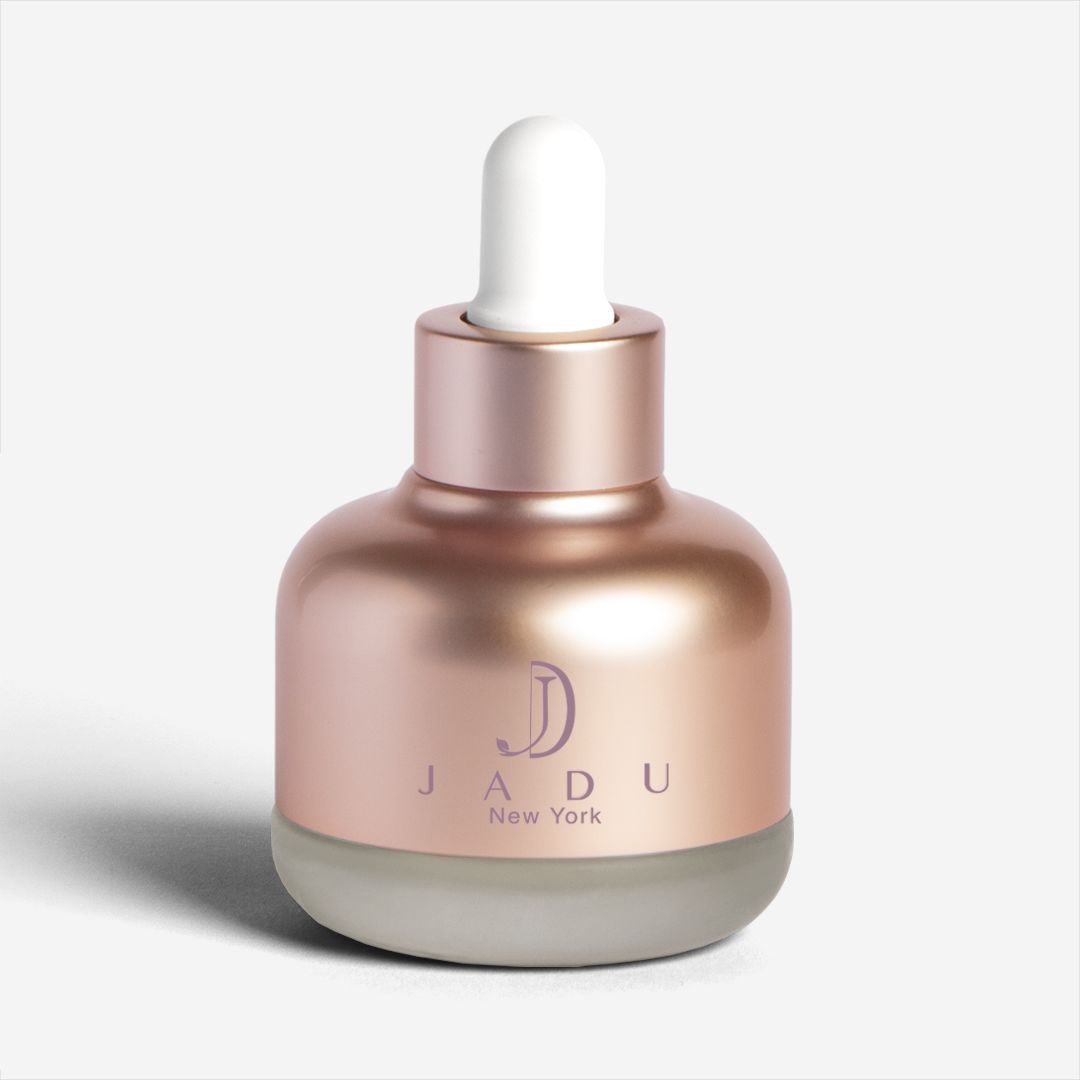
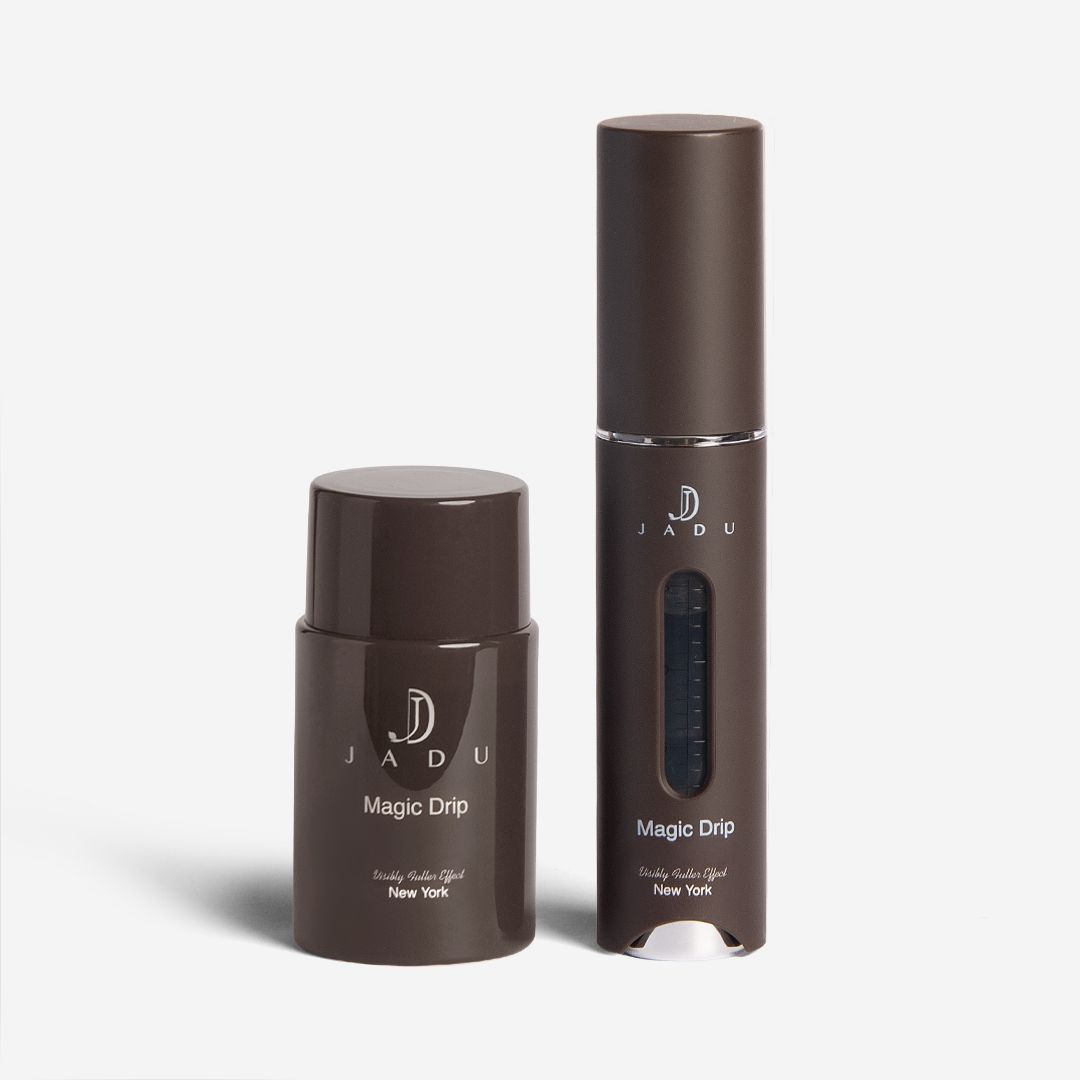
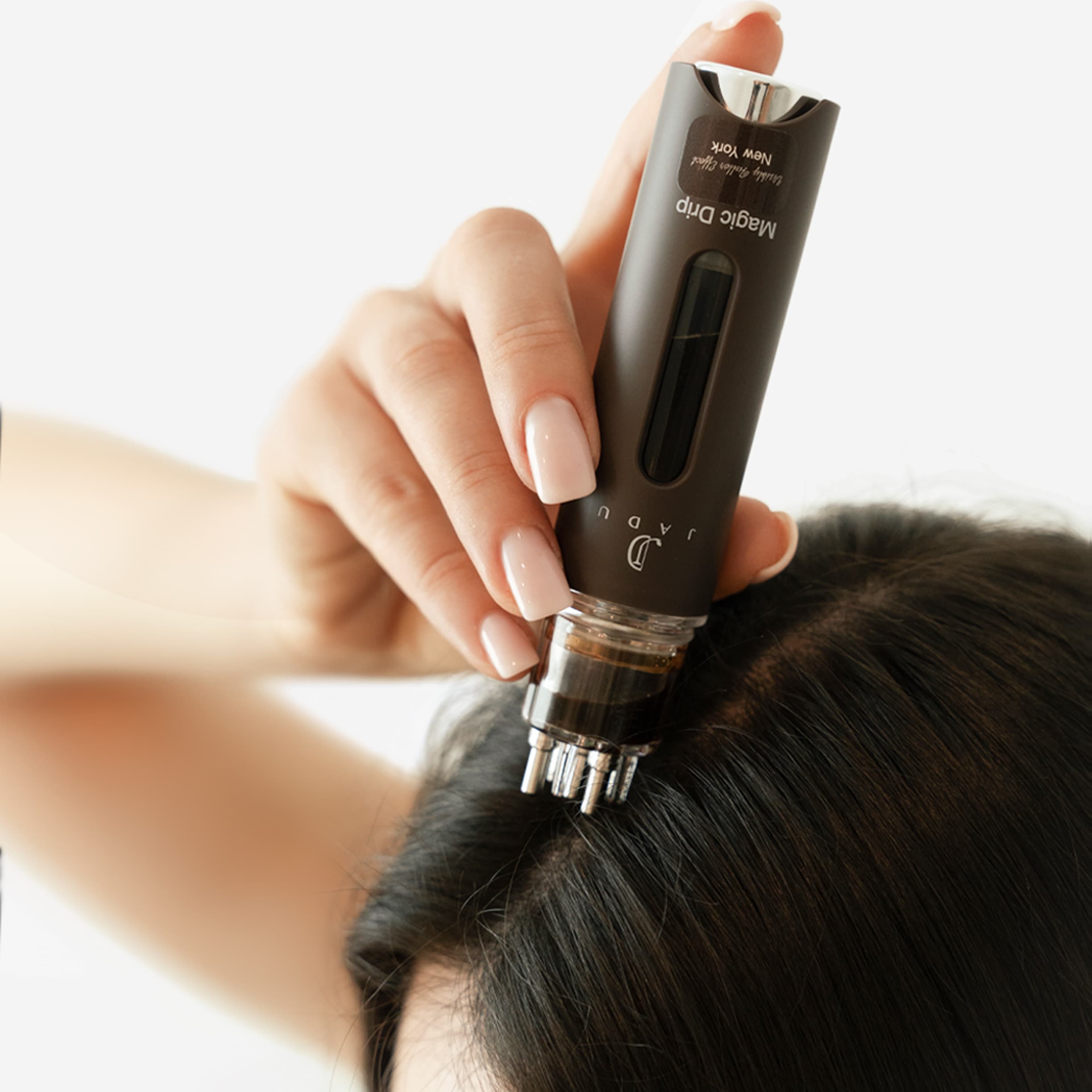
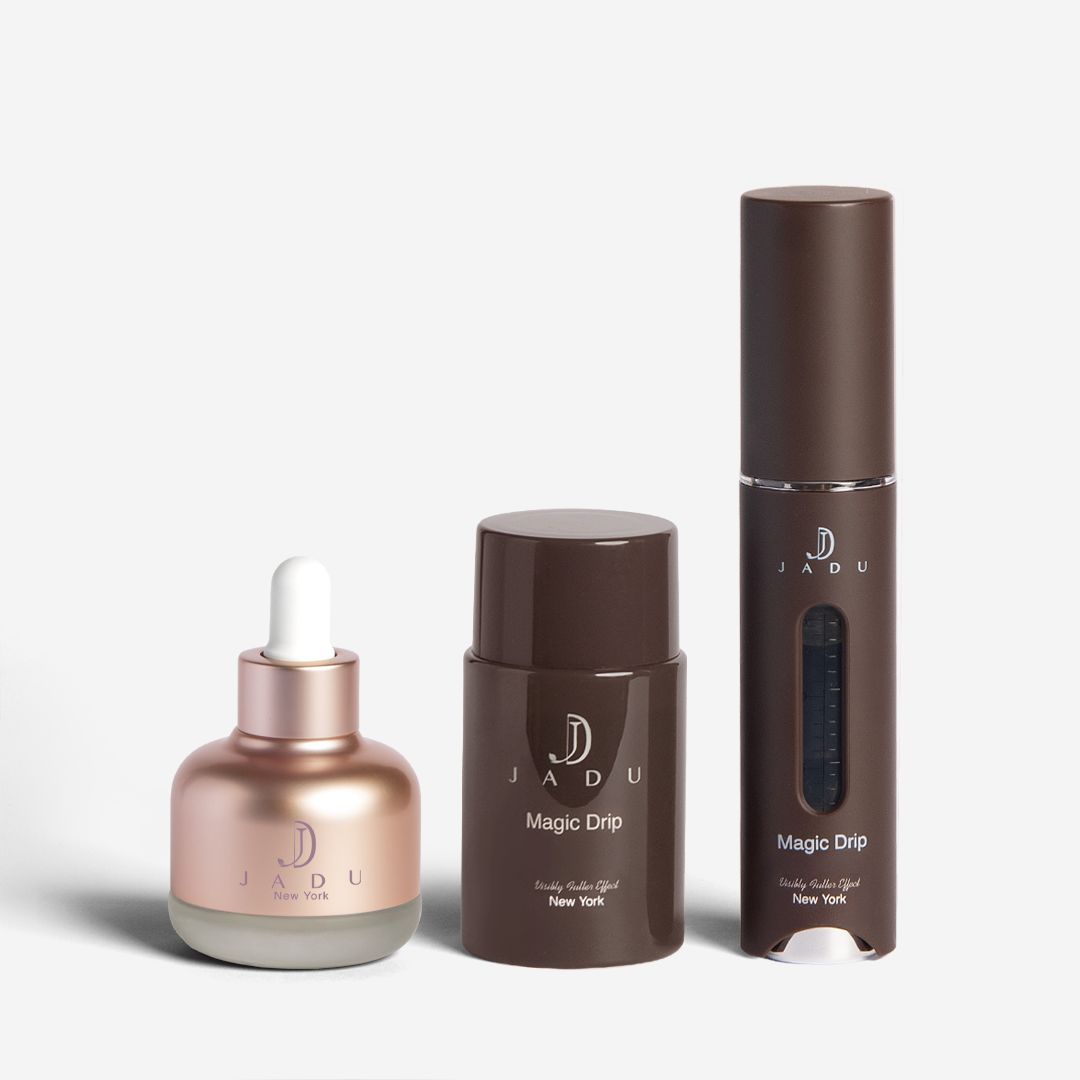
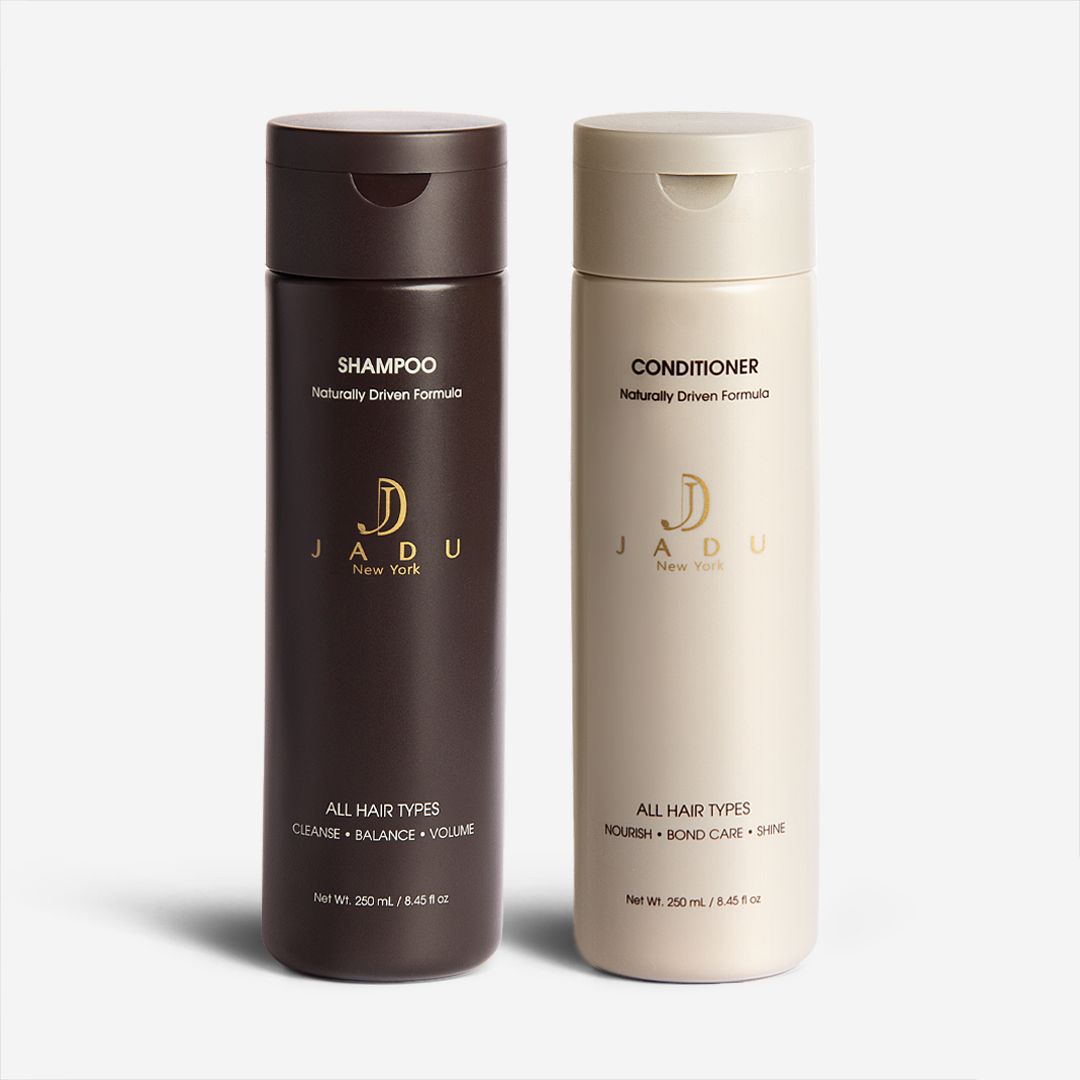
All Jadu products are completely chemical-free and paraben-free. Instead of relying on low-quality preservatives, Jadu uses thoughtful ingredient formulations that work with your scalp - not against it.
Jadu’s clean hair oils and scalp serums support:
-
Healthier roots
-
Stronger strands
-
Balanced scalp environment
-
Reduced breakage
-
Better shine and hydration

And because Jadu formulas are free of endocrine-disrupting preservatives, you get the benefits of a luxurious hair routine without compromising your hormonal health.
Jadu products are especially helpful for individuals with:
-
Sensitive scalps
-
Hormone-related hair thinning
-
Dry or brittle ends
-
Inflammation or irritation
-
A desire to transition to clean, paraben-free hair care
The short version: Jadu is everything parabens are not.
Final Thoughts: Parabens Are Out, Healthy Hair Is In
Parabens were never designed for hair; they were designed for shelf life. And while they may not destroy your hair overnight, the research is clear: they do nothing to support scalp health, follicle strength, or long-term hair growth and they come with potential endocrine and microbiome risks.
There is no upside for your hair. Only downside.
Modern hair care should nourish, protect, and respect your biology. That’s why choosing paraben-free hair care isn’t a trend; it’s a smart, evidence-backed decision that supports healthier hair at every stage.
Switching to clean alternatives like Jadu is simple, effective, and better for your entire system.
Comments